


Major manufacturing operations and construction businesses operate under continuous mandates to enhance their operational effectiveness, accuracy levels, and overall manufacturing scale. Modern industry requires sophisticated machining methods, which fail to meet modern requirements because they produce variable outputs during extended processing times while driving up operating expenses. When businesses fail to adopt automation, their manufacturing capabilities become weaker than competitors who apply modern techniques.
The combination of computer numerical control machines effectively answers industrial manufacturing challenges. When CNC technology takes over machining tasks, it delivers exact production and repeated results while boosting overall manufacturing speed. Automated CNC machines enable precise, complex manufacturing requirements with almost no human hands, so businesses minimize errors at no expense to the materials used.
Companies must comprehend CNC machine operations well to achieve maximum performance while making appropriate controller selections. A proper choice of CNC technology enables enhanced manufacturing efficiency while handling extensive operations and enables smooth integration with contemporary manufacturing environments.
This article examines CNC machine operational methods and different CNC controller varieties. Businesses that grasp these aspects can select appropriate technologies to build superior machining operations that drive long-term organizational development.
Understanding CNC Machines
Automated systems known as CNC (Computer Numerical Control) machines operate machining tools by running software programs. The machines execute precise cutting, drilling, milling, and shaping operations. These automated systems eliminate manual tasks, which leads to fewer human mistakes and higher production speeds in industrial manufacturing.
Production methods have transformed through CNC technology, providing rapid operations, precise results, and steady manufacturing processes. The aerospace industry, together with automotive manufacturers and construction companies, uses CNC machines to create complex parts at full scale. Automating machining processes reduces waste, lowers labor expenses, and facilitates endless operations without human presence.
CNC systems demonstrate superior performance over manual machining regarding reliability and reproducibility. Skilled workers and physical adjustments in traditional methods produce variable output because they affect production consistency. The operation of CNC machines relies on programmed directions, which leads to consistent outcomes in various production repeat cycles.
Comparison of CNC and Manual Machining
| Machine Type | Material Processed | Primary Use | Key Benefit |
| CNC Milling | Metal, Plastic | Complex part manufacturing | High precision |
| CNC Lathe | Metal, Plastic | Cylindrical parts | Fast production |
| CNC Plasma Cutter | Metal | Heavy-duty cutting | Cuts thick metal efficiently |
| CNC Router | Wood, Plastic, Soft Metal | Engraving, Cutting | Customization and detailing |
| CNC Grinder | Metal | Surface finishing | High accuracy |
| CNC EDM | Hard Metal | Intricate shaping | Machining complex designs |
Working Principle of a CNC Machine
The operation of CNC (Computer Numerical Control) machines depends on a sequence to execute programmed automated manufacturing operations. Physical movements result from digital instructions following the working principle, which maintains accuracy and consistency in production.
Step-by-Step Process of CNC Machining
Designing the Part in CAD Software
Using Computer-Aided Design (CAD) software, engineers establish 2D or 3D models.
The design contains exact measurements and product features that manufacturers require to produce them.
Converting CAD to CAM Instructions
Engineers move the CAD file through data transfer to Computer-Aided Manufacturing (CAM) software.
Paths are created and combined within CAM software tools with proper tool selection and machining strategies.
Generating the CNC Program
Through its tool path translation process, CAM software generates G-code, which functions as the programming language for CNC machines.
The G-code contains programming that defines machine movements and specifies speeds alongside feeds and tool change parameters.
Uploading the Program to the CNC Machine
The CNC controller accepts the G-code file as part of the operational sequence.
Before beginning operations, operators must verify the program by making the required adjustments.
Setting Up the Machine
The workpiece remains safe during machining through bed attachment with either clamps or a vise.
A suitable cutting tool must be placed inside the spindle.
Running the Machining Process
The CNC machine uses the provided program to move its tools per the instructions.
The machine executes its operations through precise execution of cutting, drilling, and milling operations.
Quality Inspection
The machine performs finished part inspection through manual testing with measurement equipment and automatic quality automation.
The operating system adjusts any processes to achieve better accuracy standards.
Final Processing
The part leaves the machine before getting secondary processes, including surface finishing and deburring.
The CNC machine operator cleans the equipment for the start of upcoming procedures.
Role of CAD/CAM Software in CNC Operations
The manufacturing process of CNC machinery heavily depends on CAD and CAM software systems. CAD software enables engineers to produce intricate components at precise levels. Digital models exist as fundamental project guidelines that manufacturing uses as reference points.
The software platform transforms designs from CAD programs into procedure sets for the machine. The software specifies optimal cutting directions, the required tools, and essential machine parameters. The automated control system eliminates human errors in programming, thus increasing production effectiveness.
CAD and CAM software streamlines production efficiency and delivers precise and repeatable high-quality outcomes. Manufacturing systems provided through these digital models help producers control material resources for better resource optimization and efficient waste reduction.
Key Components of a CNC Machine
CNC Controller: The CNS Controls operate as the main processing hub for code that directs tool movements.
Spindle: The spindle serves as both the holder and driver of the cutting tool, which rotates in the machine.
Cutting Tool: A cutting tool is an essential tool for material removal, and it includes end mills, drills, and lathes, among others.
Worktable: The workpiece rests on the worktable, which acts as the surface for machining operations.
Linear Guideways: Provide smooth and precise movement along different axes.
Motors and Drives: Using motors and drives controls the spindle rotation and the movement of cutting instruments.
Coolant System: A well-functioning coolant system functions as an overheating protection system that is combined with tool life extension benefits.
Sensors: Position speed and temperature measurements operated by sensors help maintain accuracy throughout the process.
Each component plays a critical role in ensuring precise, automated, and efficient machining.
Types of CNC Machines
CNC Milling Machines
Rotating cutting tools operated by CNC milling machines reduce workpieces through material removal. These tools are useful for manufacturing elaborate components that require exact measurements. These machines execute different processes, including drilling slots and contour formation. Large-scale production in aerospace and automotive industries, as well as construction, depends on CNC milling machines.
CNC Lathes
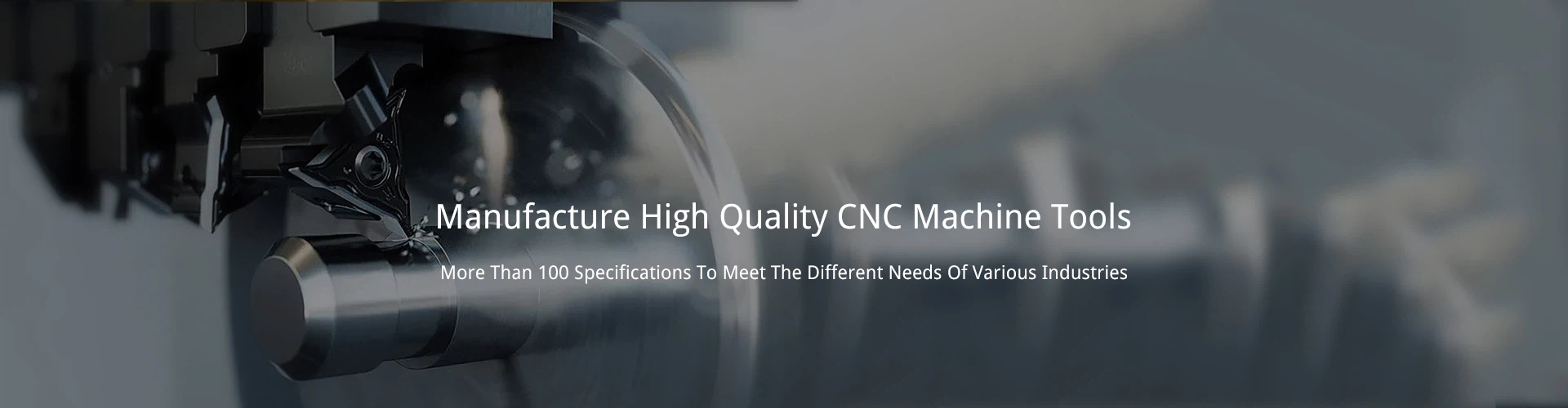
The workpiece spins continuously inside the CNC lathe as the cutting tool generates its shape. CNC lathes deliver their best performance when manufacturing round shapes, including shafts, bolts, and bushings. Fast operational speed and metal and plastic manufacturing are the main capabilities of these machines. CNC lathes decrease human work while delivering uniform manufacturing results that avoid frequent mistakes.
CNC Plasma Cutters
The operating mechanism of CNC plasma cutters includes high-temperature plasma arcs that cut through metal sheets. These cutters have broad applications in the shipbuilding and structural fabrication industries. As these machines rapidly slice through large metal areas, they provide accurate cutting with waste reduction levels. Companies that require fast and efficient metal working operations must have CNC plasma cutters as part of their business equipment.
CNC Routers
The CNC router system's primary functions are processing wood, soft metal, and plastic through reduction and picture development. Manufacturers employ them to produce furniture, signs, and architectural designs. The machines provide automated precision details, enabling businesses to manufacture customized parts on a large scale. CNC routers' production rates improve alongside lower material waste behavior.
CNC Grinders
Grinding operations and surface finishing purposes utilize CNC grinders as their primary tool. The machines remove minimal material to reach high precision levels and smooth surfaces. Aerospace production and tool manufacturing need CNC grinders to produce precise tools and components. The automated process delivers uniform product quality and minimizes human labor requirements.
CNC Electrical Discharge Machines (EDM)
Hard metals receive their shape from electrical sparks generated by CNC EDM machines. Such equipment provides machining solutions for parts that conventional tools cannot process effectively. With EDM technology, manufacturers achieve accurate machining solutions for challenging delicate, complex components.
Comparison of CNC Machines
| Type | Best For | Key Features | Limitations |
| Microcontroller-Based | Basic automation | Low cost, simple operation | Limited processing power |
| Motion Control-Based | Precision applications | High accuracy, smooth motion | High setup cost |
| PC-Based | High-speed machining | Software flexibility, visualization | Requires maintenance |
| PLC-Based | Large-scale production | Multi-machine control, reliability | Expensive, complex programming |
| Industrial CNC Controllers | Heavy-duty manufacturing | Advanced automation, durability | High cost, requires expertise |
CNC Controllers: Definition and Role
CNC controllers are the central processing units of CNC machines. They interpret G-code. The controller system interprets instructions, which transform into exact motor-operated tool activities. The controllers enable machine operators to achieve exact shaping, cutting, and drilling tasks during automated machining operations. An operating machine needs a CNC controller to function efficiently.
The choice of CNC controller for industrial operations depends on three main elements: system speed performance, CAD/CAM program integration, and the difficulty level of production work. Companies need to evaluate their connectivity requirements, memory demands, and integration capabilities with current production lines when selecting CNC controllers. A controller matching the production needs brings increased operational efficiency and shorter factory stoppages.
Types of CNC Controllers

Microcontroller-Based CNC Controllers (For Basic Automation)
The basic machining applications need controllers based on microcontrollers to work properly. Their embedded microcontroller system processes basic instructions as part of their structure. The basic automation needs of small enterprises find suitable solutions in these controllers because they cost less. The systems possess limited computational processing capacity which makes them unsuitable for tasks that require advanced or quick operations.
Motion Control-Based CNC Controllers (For Precise Positioning)
MotionMotion control-based CNC controllers focus on delivering exact movement control functions. The aerospace industry and medical production use these systems due to their capability to deliver precise results. These controllers produce high-precision control when they regulate speed levels and position control. The technology finds its use in applications that demand sharp details alongside low tolerance boundaries.
PC-Based CNC Controllers (For High-Speed Industrial Applications)
The generation of CNC controllers uses computer systems to execute processing commands for machining operations. These controllers enable efficient and rapid data processing and provide better picture display and adaptable program management options. The controllers allow sophisticated software integration, which makes them suitable for big industrial facilities. These machines provide efficient complex task performance, which explains why factories increasingly select them as their preferred choice.
CNC controllers built with Programmable Logic Controllers (PLCs)
PLC-based CNC controllers serve the needs of large-scale production lines. Such controllers enable multiple machine operations at the same time, which results in higher production speeds. The automotive sector and heavy machinery typically use these controllers as part of their operations. The controllers provide dependable performance over long durations because they maintain operations while demanding low maintenance time.
Industrial CNC Controllers (Advanced Controllers for Heavy-Duty Applications)
The industrial CNC controller functions as a sophisticated system that handles heavy industrial manufacturing operations. Advanced automation combines with high-speed processing to deliver multi-axis control through these systems. The controllers have been developed to resist demanding industrial conditions because they serve the shipbuilding industry and energy production facilities. These systems deliver both high performance and lasting reliability when used in demanding operational scenarios.
Comparison of CNC Controllers
|
Type |
Best For |
Key Features |
Limitations |
|
Microcontroller-Based |
Basic automation |
Low cost, simple operation |
Limited processing power |
|
Motion Control-Based |
Precision applications |
High accuracy, smooth motion |
High setup cost |
|
PC-Based |
High-speed machining |
Software flexibility, visualization |
Requires maintenance |
|
PLC-Based |
Large-scale production |
Multi-machine control, reliability |
Expensive, complex programming |
|
Industrial CNC Controllers |
Heavy-duty manufacturing |
Advanced automation, durability |
High cost, requires expertise |
Choosing the Right CNC Controller for Industrial Use
The selection of CNC controllers for industrial applications requires multiple critical determining factors. To achieve precision in machining operations speed together with accuracy prove crucial. A controller that performs at high levels lowers production cycles while boosting operational efficiency. The controller needs software compatibility with existing CAD/CAM systems so integration can be achieved. One must consider scalability factors because they will determine future growth potential and advanced automation applications.
Industrial applications dictate which CNC controllers should be used since each industry has operational needs. The controllers used in aerospace manufacturing need to provide high-precision capabilities to machine complex components. Controllers in the construction industry need to manage big workpiece dimensions because of their heavy-duty operational requirements. A fast-processing speed in automated controllers becomes essential for automotive production to manage high output volumes. Each operational sector finds success by selecting controllers that meet their production requirements.
Advantages of CNC Technology for Large-Scale Industries
Increased Efficiency and Precision
CNC machine precision functions smoothly to reduce waste generation while performing tasks.
Automated methods boost the production speed while generating more total output.
Each batch manufacturing operation receives uniform quality performance from the precision machining process.
Cost-Effectiveness in Mass Production
Lower staff expenses become possible when skills-based manual personnel decrease in production facilities.
A manufacturing operation achieves lower costs through machine automation that lowers material consumption.
Manufacturing bulk products by utilizing these processes leads to decreased unit costs.
Reduced Human Error and Labor Dependency
Furthermore, machines eliminate human mistakes that develop from hand-operated activities because they perform written commands.
Operating costs decrease as the system requires less staff, and fewer training expenses result from these personnel reductions.
Standardization of manufacturing operations becomes achievable through the process regardless of design complexity.
Scalability for Industrial Growth
Higher production volumes become possible through CNC system upgrades, which are supported by their installation.
Production processes under flexible automation systems adapt their operations according to industrial transformation requirements.
Business operations can continue to grow even when production reaches major interruptions.
Future of CNC Machines and Controllers.
CNC machines are changing direction because of the influence of AI and IoT technologies. Predictive maintenance mode increases efficiency levels, and IoT technology provides continuous observation and distant operation capabilities. These technologies boost productivity rates and diminish machine downtime periods.
Large-scale industries require automation to become their standard operating procedure. Companies operating smart factories implement CNC machines that work with robotics to deliver fast and exact production processes. The technology raises industrial growth by reducing labor expenses and increasing manufacturing capability.
Conclusion
Industrial production underwent fundamental changes due to the implementation of CNC machines and controllers that offered precise operation with maximum efficiency alongside automatic control systems. The family of CNC systems includes microcontroller-based systems alongside industrial controllers that fulfill various industrial requirements. The selection of a CNC controller depends on multiple requirements, such as velocity control and precision levels alongside expandability capabilities. The breakthroughs in technology enable AI and IoT systems to enhance the performance of CNC equipment. Through automation, large-scale operations' production remains driven, allowing businesses to produce more products at lower costs. Manufacturers should select appropriate CNC technology because this investment supports their industrial growth and championship positioning in manufacturing industries.
FAQs
What is a CNC machine, and how does it work?
The CNC machine operates as an automated production device that executes computer-generated instructions for precisely cutting and shaping raw materials.
What are the main types of CNC controllers?
Industrial CNC controllers belong to five main categories: microcontroller-based motion control, PC-based, and PLC-based devices. They also represent another type.
How do CNC machines improve industrial manufacturing?
Industrial production benefits from CNC machines by delivering superior accuracy, expanding operations, lowering personnel expenses, and decreasing errors.
What industries benefit the most from CNC technology?
Aerospace manufacturing and the automotive, construction, and heavy machinery sectors utilize CNC machines to produce precision industrial products.
What are the latest advancements in CNC technology?
Advanced CNC machining experiences transformative impacts from predictive maintenance algorithms combined with the Internet of Things (IoT) remote observation and automation implementation.