

The world of CNC machining relies heavily on precision and the right tools for the job. One of the most crucial factors in achieving optimal drilling results is selecting the right drill geometry. Whether you're drilling into aluminum, steel, or composites, the geometry of your drill bit directly impacts performance, tool life, and the quality of the hole. Did you know that choosing the wrong geometry could reduce your machining efficiency by up to 40%? Let's dive into the 10 CNC drill geometries that every machinist should know and understand how they can improve their drilling operations!
What is CNC Drill Geometry and Why It Matters?
When it comes to CNC drilling, the geometry of your drill bit can make or break the success of your machining operations. Understanding drill geometry is essential for optimizing both performance and precision.
Definition of CNC Drill Geometry
CNC drill geometry refers to the specific design of the cutting edges, flutes, and point angles of a drill bit. These elements work together to determine how the drill interacts with the material, affecting the speed, accuracy, and efficiency of the process. The right geometry can improve chip removal, prevent tool wear, and enhance hole quality.
Why Geometry Impacts Performance
The drill's geometry directly influences cutting forces, chip flow, and heat distribution during drilling. A well-designed drill bit with the right geometry can reduce vibrations, prevent clogging, and extend tool life. Choosing the correct geometry based on your material and machining needs ensures smoother operations and superior results.
The 10 CNC Drill Geometries Every Machinist Should Know
Understanding the different CNC drill geometries is key to improving machining efficiency, tool life, and hole quality. Here are the 10 essential geometries every machinist should be familiar with.
1. Point Angle Geometry
The point angle of a drill bit is a crucial factor that affects its performance in CNC machining. It's the angle formed at the tip of the drill, and it plays a key role in determining how efficiently the drill can cut through material.
Point Angle Overview
Common point angles include 118° for general use, 135° for harder materials, and 150° for deep hole drilling. Each is designed to handle different material types and drilling conditions.

Impact on Cutting Speed and Accuracy
A sharper point angle, like 135°, is ideal for harder materials, as it reduces cutting forces. A more obtuse angle, such as 118°, provides better accuracy in softer materials, improving hole quality and cutting speed by reducing friction. Choosing the correct point angle ensures efficient and precise drilling.
2. Split Point Geometry
Split point geometry is a specialized drill bit design that significantly enhances drilling performance, especially when precision is critical.
What is Split Point Geometry?
Split point geometry refers to the unique design of the drill bit's tip, where the point is split into two parts, creating a sharp, efficient cutting edge. This geometry helps reduce the risk of the drill walking or wandering, allowing for more accurate and stable drilling. It is especially useful for starting holes in hard-to-machine materials.
Best Materials for Split Point Drills
Split point drills excel when used on harder materials such as stainless steel, titanium, and high-carbon steel. The geometry minimizes the friction and cutting forces, providing smoother entry into these tough materials. It is also beneficial for drilling into composites or other materials prone to delamination or deformation. If you're working with precision or tough materials, split point geometry is the ideal choice.
3. Parabolic Flute Geometry
Parabolic flute geometry is a specialized design that enhances chip removal and drilling efficiency, especially in deep hole applications.
What is Parabolic Flute Geometry?
Parabolic flutes have a curved, smooth shape that allows chips to be evacuated more efficiently during drilling. This design reduces the risk of clogging and heat buildup, which can improve tool life and hole quality.

Key Benefits
The main advantage of parabolic flute geometry is its ability to clear chips more effectively, especially in deep holes. This results in smoother drilling, improved cutting speeds, and reduced tool wear.
Materials for Parabolic Geometry
Parabolic flute drills are best suited for softer materials such as aluminum, copper, and plastics, where chip removal is crucial to maintaining high drilling efficiency and surface finish.
4. High Helix Geometry
High helix geometry is a drill bit design that significantly enhances chip removal and increases cutting speed, making it ideal for certain machining tasks.
What is High Helix Geometry?
High helix geometry refers to drill bits with a steep spiral angle in their flutes. This design allows for faster chip removal and better control of cutting forces, reducing heat and improving overall drilling performance.

Benefits and Applications
The primary benefit of high helix geometry is its ability to handle high-speed drilling with soft materials like plastics, aluminum, and brass. Its efficient chip removal capabilities reduce the chances of clogging and overheating, making it perfect for fast-paced operations and materials that generate large volumes of chips.
5. Variable Helix Geometry
Variable helix geometry is a drill bit design that helps reduce vibrations and improve overall drilling stability, making it an ideal choice for tough materials.
What Makes Variable Helix Geometry Different?
Unlike traditional drill bits with a constant helix angle, variable helix drills feature an irregular spiral. This variation helps minimize harmonic vibrations during drilling, leading to smoother operations and more precise hole creation.
Where It Excels
Variable helix geometry excels in tough and challenging materials like stainless steel, titanium, and other alloys. It is also beneficial for deep hole drilling, where consistent chip removal and reduced tool chatter are essential for maintaining quality and efficiency.
6. Micro Geometry for Small-Diameter Drills
Micro geometry is a specialized drill bit design aimed at improving precision and performance in small-diameter drilling applications.

Focus on Micro Geometry
Micro geometry refers to the fine-tuned design of drill bits with extremely small diameters, typically under 1/8 inch. This geometry focuses on maximizing cutting efficiency, reducing heat buildup, and improving chip flow for precise, small-scale drilling.
Applications
Micro geometry is essential for industries requiring ultra-precise drilling, such as medical device manufacturing, electronics, and aerospace. It is particularly useful for drilling tiny holes with tight tolerances in materials like ceramics, plastics, and metals, where accuracy is critical.
7. Corner Chamfer Geometry
Corner chamfer geometry is a design feature that enhances the cutting edges of drill bits, especially when precision and smooth edge quality are critical.
What is Corner Chamfer Geometry?
Corner chamfer geometry involves a slight bevel or flat on the edges of a drill bit's point. This modification helps reduce the likelihood of chipping or wear at the tip, improving overall cutting performance.

Why it's Crucial for Edge Quality
The chamfered corners help create cleaner holes with less burr formation and better surface finishes. This is especially important in applications where edge quality is essential, such as in the manufacturing of parts for aerospace, automotive, and medical devices, ensuring both durability and accuracy.
8. Chip Breaker Geometry
Chip breaker geometry is a specialized design that controls the shape and size of the chips produced during drilling, enhancing both performance and safety.
Understanding Chip Breakers
Chip breakers are features built into the cutting edge of drill bits that help break up long, stringy chips into smaller, more manageable pieces. This prevents chip clogging and ensures a smoother drilling process.
Benefits
The primary benefit of chip breaker geometry is improved chip flow, which prevents chips from interfering with the cutting process and causing tool wear. It also reduces the risk of overheating and increases drilling efficiency, especially when working with tough materials like stainless steel and titanium.
9. Coolant-Through Geometry
Coolant-through geometry is a specialized drill bit design that delivers coolant directly to the cutting edge, enhancing drilling performance and extending tool life.
What is Coolant-Through Geometry?
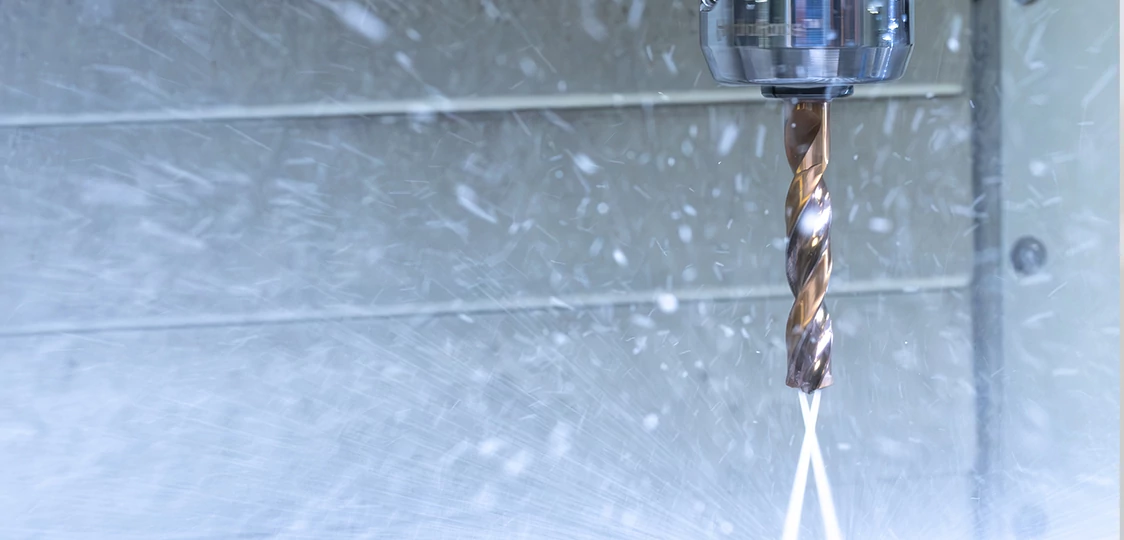
Coolant-through geometry refers to drill bits that are designed with channels that allow coolant to flow directly through the tool to the cutting edge. This helps in cooling the bit during high-speed operations.
Why It's Essential for Deep Hole Drilling
In deep hole drilling, coolant is crucial for reducing heat buildup, preventing chip clogging, and improving chip removal. Coolant-through geometry helps maintain optimal drilling conditions, ensuring smoother operation, longer tool life, and better hole quality, especially when drilling into hard or heat-sensitive materials.
10. Heavy Duty Geometry
Heavy-duty geometry is designed to withstand the high cutting forces and intense heat generated during tough machining tasks, ensuring durability and performance in demanding conditions.
Heavy Duty Drill Design
Heavy-duty drill bits are built with reinforced features like thicker cores and stronger cutting edges to handle high-stress drilling applications. This geometry helps the drill bit stay intact under extreme pressure and resist wear for longer durations.
Key Applications
Heavy-duty geometry is essential for drilling into hard materials like cast iron, hardened steels, and tough alloys. It is commonly used in industries such as automotive, construction, and mining, where large-scale, high-volume drilling operations are required. These bits excel in deep hole drilling and high-load tasks, ensuring efficiency and tool longevity.
How to Choose the Right CNC Drill Geometry for Your Job
Choosing the right drill geometry for your job can significantly impact drilling efficiency, tool life, and hole quality. Here's how to make the best selection.
Matching Geometry to Material
The material you're drilling into plays a crucial role in geometry selection. Softer materials like aluminum benefit from high helix geometry, while tougher materials like stainless steel are better suited for split point or heavy-duty geometries.
Hole Depth and Diameter Considerations
For deep holes, parabolic or coolant-through geometries are ideal, as they improve chip removal and reduce heat buildup. Shallow holes with smaller diameters often require sharp point angles for precision.
Optimizing for Speed vs. Precision
If speed is the priority, high helix and variable helix geometries are ideal. For high-precision drilling, opt for split point or micro-geometry designs to ensure accuracy and minimal tool wear.
Conclusion
Understanding and selecting the right CNC drill geometries can make a huge difference in your machining processes. From enhancing performance and increasing tool life to ensuring better hole quality, the right geometry ensures you stay ahead of the competition. Ready to optimize your drilling operations? Choose the right geometry, adjust your machining parameters, and watch your efficiency soar!