


How are precise metal and plastic parts made efficiently and consistently?
The answer lies in CNC machining processes.
CNC machining uses computer-controlled machines to shape materials through milling, turning, drilling, and other operations. These processes are widely used because they deliver high accuracy, repeatability, and flexibility-from prototyping to batch production.
But here's the key point: not all CNC machining processes are the same. Choosing the right process directly affects part quality, cost, and lead time.
This guide introduces the most common CNC machining processes and helps you understand which method works best for your application.
What Is CNC Machining?
CNC machining stands for Computer Numerical Control machining. In simple terms, it's a manufacturing process where machines follow digital instructions to cut and shape materials with high precision.
Instead of manual operation, CNC machines use CAD designs and CAM programs to control tool movement, speed, and depth. This allows parts to be produced accurately, consistently, and repeatedly-even for complex geometries.
CNC machining is commonly used for metals and plastics and supports a wide range of operations, including milling, turning, drilling, and boring. Whether it's a single prototype or a production run, CNC machining offers a reliable and efficient solution.
In short, CNC machining turns digital designs into real parts-with less error, less waste, and better control.

Main Types of CNC Machining Processes
Below are the most common CNC machining processes used in modern manufacturing. Each process serves a different purpose and is suitable for specific part types and applications.
CNC Milling Process
CNC milling uses rotating cutting tools to remove material from a stationary workpiece. It is widely used for machining flat surfaces, slots, pockets, and complex 3D shapes.
Milling is ideal for parts with detailed features and is commonly performed on vertical, horizontal, or 5-axis machining centers.
CNC Turning Process
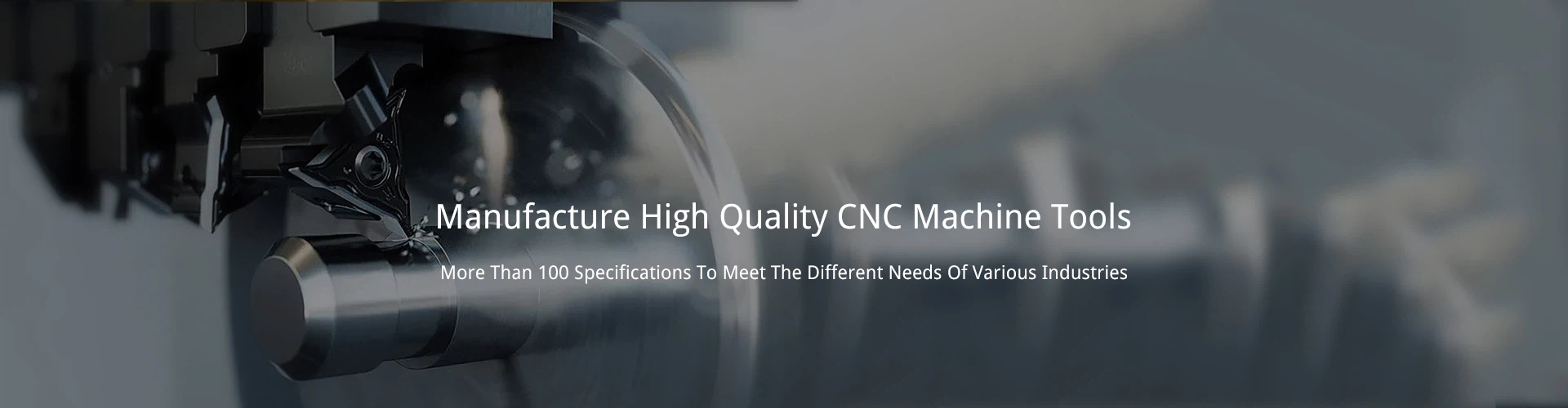
CNC turning is used to machine cylindrical or round parts. In this process, the workpiece rotates while the cutting tool removes material.
It is commonly applied to shafts, bushings, and threaded components, offering high efficiency and excellent dimensional accuracy.
CNC Drilling Process
CNC drilling is mainly used to create precise holes in a workpiece. Compared with manual drilling, CNC drilling ensures better hole position, depth control, and repeatability.
It is often combined with operations like reaming and tapping to meet tighter tolerance requirements.
CNC Grinding Process
CNC grinding focuses on achieving high precision and a superior surface finish. It is typically used as a finishing process for hardened materials or parts requiring very tight tolerances.
Grinding is common in toolmaking, moldmaking, and the production of high-precision mechanical components.
CNC Boring Process
CNC boring is used to enlarge and refine existing holes. Unlike drilling, boring improves hole accuracy, roundness, and surface quality.
This process is often applied when high precision is required in large or deep holes.
5-Axis CNC Machining Process
5-axis CNC machining allows cutting from multiple angles in a single setup. This reduces repositioning, improves accuracy, and shortens machining time.
It is especially suitable for complex parts used in aerospace, medical, and high-end manufacturing industries.
Secondary CNC Machining Operations
In addition to the main CNC machining processes, secondary CNC machining operations are often used to improve functionality, accuracy, and surface quality of a part.
These operations are usually performed after milling or turning and focus on details such as threads, edges, and finishing. While they may seem minor, they play an important role in meeting final design and assembly requirements.
Common secondary CNC machining operations include tapping, thread milling, chamfering, deburring, and engraving. Choosing the right secondary operation helps enhance part performance and ensures a clean, professional finish.
CNC Machining Processes by Material
Material selection is critical in CNC machining. Different materials behave differently during cutting, which affects tool life, surface finish, machining speed, and overall cost. Understanding how various materials are processed helps you choose the right CNC machining process for your application.
CNC machining is mainly used for metal and plastic materials. Each category has its own advantages and typical use cases.
Metal CNC Machining
Metal CNC machining is widely applied in industries that require strength, durability, and precision. Common metals include aluminum, steel, stainless steel, cast iron, and titanium. These materials are usually processed through CNC milling, turning, drilling, boring, and grinding.
| Material | Key Properties | Typical CNC Processes | Common Applications |
| Aluminum | Lightweight, easy to machine | Milling, turning, drilling | Automotive, electronics, housings |
| Steel | High strength, good machinability | Milling, turning, boring | Machinery parts, shafts, brackets |
| Stainless Steel | Corrosion-resistant, tough | Milling, turning, drilling | Medical, food equipment, fittings |
| Cast Iron | Good vibration damping | Milling, boring, grinding | Machine beds, engine components |
| Titanium | High strength-to-weight ratio | Milling, 5-axis machining | Aerospace, medical implants |
Plastic CNC Machining
Plastic CNC machining is commonly used for lightweight parts, prototypes, and components with electrical or chemical resistance requirements. Plastics are generally easier to cut than metals, but proper tool selection is still important to avoid deformation or poor surface finish.
| Material | Key Properties | Typical CNC Processes | Common Applications |
| ABS | Impact-resistant, easy to machine | Milling, drilling | Prototypes, enclosures |
| POM | High stiffness, low friction | Milling, turning | Gears, precision components |
| Nylon | Tough, wear-resistant | Milling, turning | Bushings, mechanical parts |
| PTFE | Chemical-resistant, low-friction | Milling | Seals, insulation parts |
| Acrylic | Transparent, good surface finish | Milling, engraving | Display parts, panels |
CNC Machining Process Workflow
The CNC machining process follows a structured workflow to ensure accuracy, efficiency, and consistent quality. Below are the key steps involved in a typical CNC machining process:
CAD Design
The process starts with a CAD model that defines part geometry, dimensions, and tolerance requirements. A well-designed model helps ensure smooth and efficient machining.
CAM Programming
The CAD file is converted into machining instructions. Tool paths, cutting parameters, and machining sequences are set to optimize accuracy and productivity.
Machine Setup
The workpiece is securely fixed on the CNC machine, cutting tools are installed, and tool offsets are adjusted. Proper setup is essential for machining stability and precision.
Machining Operations
The CNC machine performs milling, turning, drilling, or other operations automatically according to the programmed instructions.
Inspection and Quality Control
Finished parts are inspected to verify dimensions, tolerances, and surface finish before delivery.
Understanding this workflow helps customers better estimate machining lead time, cost, and production reliability.
How to Choose the Right CNC Machining Process?
Choosing the right CNC machining process depends on several practical factors. There is no one-size-fits-all solution-the best process is the one that matches your part requirements and production goals.
Part Geometry
Complex shapes, pockets, or 3D surfaces are better suited for CNC milling or 5-axis machining, while round or cylindrical parts are ideal for CNC turning.
Material Type
Different materials are machined differently. Aluminum and plastics are easier to cut, while stainless steel or titanium may require slower speeds and more rigid setups.
Tolerance Requirements
Tight tolerances may require more precise processes, additional finishing operations, or multi-axis machining to achieve the desired accuracy.
Production Volume
For prototypes or small batches, flexible CNC machining processes work best. For higher volumes, process stability and cycle time become more important.
Surface Finish
If a smooth or fine surface finish is required, secondary operations such as grinding or finishing passes may be necessary.
Cost and Efficiency
The right process balances machining time, tool wear, and overall cost without compromising part quality.
By evaluating these factors together, you can select a CNC machining process that delivers the best balance of precision, efficiency, and cost for your project.
CNC Machining Processes vs Other Manufacturing Methods
CNC machining is one of the most widely used manufacturing methods, but it is not always the only option. Understanding how CNC machining compares with other manufacturing methods helps you choose the most suitable solution for your project.
CNC Machining vs Casting
CNC machining offers higher accuracy and better surface finish, while casting is more suitable for large volumes of simple shapes. CNC machining is often preferred when tight tolerances or design changes are required.
CNC Machining vs Injection Molding
Injection molding is ideal for high-volume plastic parts with consistent shapes. CNC machining is more flexible and cost-effective for low to medium volumes, prototypes, or frequent design modifications.
CNC Machining vs 3D Printing
3D printing is well-suited for rapid prototyping and complex internal structures. CNC machining, however, provides better material strength, surface quality, and dimensional accuracy for functional parts.
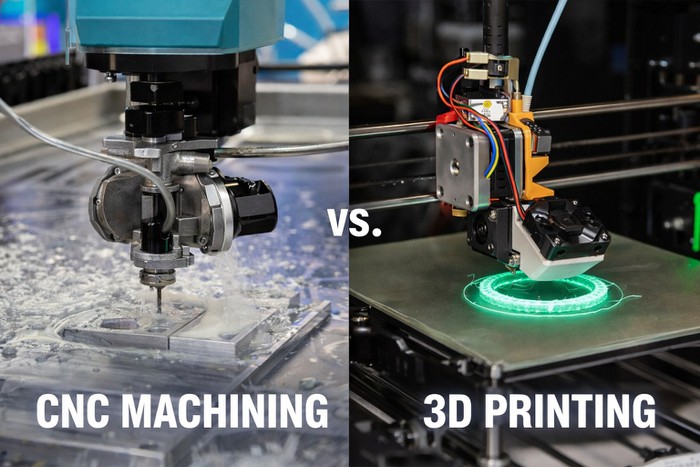
In general, CNC machining is the best choice when precision, flexibility, and material performance are critical-especially for functional and end-use components.
Advantages and Limitations of CNC Machining Processes
CNC machining offers many benefits in modern manufacturing, but like any process, it also has certain limitations. Understanding both sides helps you make more informed decisions.
Advantages
High Precision and Accuracy
CNC machining delivers tight tolerances and consistent results, even for complex parts.
Excellent Repeatability
Once programmed, the same part can be produced repeatedly with minimal variation.
Wide Material Compatibility
CNC machining works well with a wide range of metals and plastics.
Design Flexibility
Complex geometries and design changes can be handled with minimal tooling changes.
Automation and Efficiency
Automated operation reduces manual labor and improves production efficiency.
Limitations
Higher Initial Cost
CNC machines and programming require a higher upfront investment compared to manual methods.
Programming and Setup Time
Complex parts may need more time for programming and machine setup.
Not Ideal for Very High Volumes
For extremely large production volumes, processes like injection molding or casting may be more cost-effective.
Overall, CNC machining is an excellent choice when precision, flexibility, and quality are more important than ultra-low unit cost at high volumes.
FAQs
What is the most common CNC machining process?
CNC milling is the most commonly used CNC machining process. It is highly versatile and can handle complex shapes, flat surfaces, slots, and pockets across a wide range of materials.
Which CNC machining process offers the highest accuracy?
Grinding and 5-axis CNC machining typically provide the highest accuracy. The actual precision depends on machine rigidity, tooling, programming, and inspection methods.
What CNC machining process is best for complex parts?
For complex geometries and multi-angle features, 5-axis CNC machining is usually the best choice. It reduces setup time and improves overall part accuracy.
Is CNC machining suitable for small batch production?
Yes. CNC machining is ideal for prototypes and small to medium batch production because it offers flexibility and fast setup without the need for expensive molds.
What factors affect CNC machining cost?
Key cost factors include material type, part complexity, tolerance requirements, machining time, and secondary operations such as finishing or inspection.
Can CNC machining be used for both metal and plastic parts?
Yes. CNC machining is widely used for both metal and plastic materials, making it a flexible solution for many industries and applications.
Conclusion
CNC machining processes play a key role in modern manufacturing, offering precision, flexibility, and reliable quality across a wide range of materials and applications. From milling and turning to advanced 5-axis machining, each process serves a specific purpose and helps bring designs to life efficiently.
By understanding the different CNC machining processes, materials, and workflows, manufacturers can make better decisions on cost, accuracy, and production efficiency. Choosing the right machining process not only improves part quality but also shortens lead time and reduces overall manufacturing risk.
If you're planning a new project or evaluating machining options, CNC machining remains a practical and proven solution-especially when precision and consistency matter most.