


Imagine a blacksmith in pre-industrial days sweating over a piece of iron, forging, bending, and polishing each part individually. Every component, be it a gear or a tool, took hours or even days to make, and each one had its own small variations.
It was impressive, but there was always a need for more precision and consistency-something handcrafting alone couldn't deliver.
Today, CNC (Computer Numerical Control) machining takes that craftsmanship to a new level. Machines do the heavy lifting with amazing accuracy, following exact instructions to create parts that fit perfectly, every single time.
Whether it's a small part of an airplane or a complex piece of equipment, CNC machining is an essential part of manufacturing in the present years, needless to say, the accuracy, efficiency, flexibility, and variety of the applications of this technology.
The Key Stages of CNC Machining
Let's walk through the stages of CNC machining to understand how a design on a screen becomes a finished product.
Stage 1: CAD Design and Modeling
The process starts with a digital design. Computer-aided design (CAD) software is like the drawing board but has many more capabilities.
CAD software is usually used by engineers and designers to design parts, scale, and then define the type of material to be used as well as the manufacturing tolerance – the allowances made to make sure that every part fits the other perfectly.
Why CAD Software Matters?
CAD software makes it possible to create a precise model, where each measurement is exact, and each detail is checked before production. Tools like AutoCAD and SolidWorks are popular for their reliability and detailed options, and they ensure that each part can be reproduced accurately.
Design for Manufacturing (DFM)
Once the model is ready, Design for Manufacturing (DFM) fine-tunes it. DFM helps streamline the design so it's easier and more efficient to produce. For example, if a feature on a part doesn't add much value or could make production harder, DFM helps simplify or remove it. This way, the design uses fewer resources and takes less time to machine, which helps keep production costs in check.
Imagine a manufacturer making thousands of identical car engine parts. DFM makes sure each part is designed in a way that maximizes both time and cost efficiency, ensuring each piece is consistently accurate.
Stage 2: CAM Programming and G-Code Creation
Once the design is solid, it's time to bring it to life. This stage uses Computer-Aided Manufacturing (CAM) software to convert the CAD model into G-code, a language CNC machines understand.
How CAM Software Translates Designs into Action?
CAM software translates the digital model into specific machine instructions. For instance, if the design calls for a hole to be drilled at a particular depth, CAM generates the exact commands the machine needs to drill that hole. This coding step is crucial for making sure each cut, turn, and movement is precise.
CAM Software Tools
Different CAM software options support various needs:
Mastercam: This is known for handling complex, multi-axis jobs, which are useful for intricate parts in industries like aerospace.
Fusion 360: User-friendly and cloud-based, Fusion 360 is popular in prototyping and small-batch productions, where flexibility and collaboration are key.
Each of these tools allows manufacturers to select the right settings for different jobs, making sure the final product meets all specifications.
Simulation and Toolpath Verification
A test is necessary before a CNC machine runs a job. If there's a mistake, it could ruin a whole batch of parts. To prevent this, CAM software includes simulation tools that run virtual "tests" of the toolpaths before actual machining begins. This prevents mistakes like tool collisions and ensures each cut is right where it should be, saving time and reducing material waste.
Stage 3: Material Selection and Preparation
The choice of material is vital in developing a quality part with suitable characteristics. All materials possess their unique characteristics and are used according to their application on the part, the price, and the expected lifespan.
How to Choose the Right Material?
Different materials suit different jobs, and here's how they're chosen:
Metals: These are great for high-strength applications. Aluminum is often used in aircraft parts because it's strong and lightweight, while steel and titanium are popular for parts that need to withstand extreme conditions.
Plastics: Materials like nylon and polycarbonate are lightweight and flexible, which makes them useful for parts that might experience some impact. For instance, nylon parts are common in the automotive industry because they can absorb shock and resist wear.
Composites: Carbon fiber and fiberglass are used for lightweight, high-strength applications, like racing car parts. These materials balance weight and durability, which is why you'll see them in high-performance sports equipment as well.
Each material has its ideal use. While metals are great for load-bearing parts, plastics are a smart choice when flexibility and lightweight are essential, and composites offer the perfect blend of strength and lightness for specific needs.

Preparation Steps
Before machining starts, there's a bit of prep work involved:
Cutting to Size: The raw material is cut down to the approximate size needed for the job, making the machining process faster.
Securing in Fixtures: Fixtures hold the material steady on the machine, preventing it from shifting during machining.
Applying Cutting Fluids: These are special oils or lubricants applied to the material during machining. They help cool the tool and reduce friction, which extends the tool's life and keeps the part from overheating.
Stage 4. Machine Setup and Tooling
Once we have the design, code, and materials, it's time to set up the CNC machine itself. This stage involves choosing the right tools and ensuring that every path the machine will take aligns with the plan.
Choose the Right Cutting Tools
The type of cutting tool can make or break the machining process. Each tool has a specific role. For example:
End Mills: These are versatile tools used for cutting slots, contours, and complex features. They're a popular choice for creating intricate parts.
Drills: Drills create holes in materials, and choosing the right one depends on the hole's size and depth.
Each tool interacts differently with materials. Harder metals may need sturdier tools and slower speeds, while softer materials can handle quicker passes. The tool selection process ensures the machine will cut cleanly and accurately based on the part's requirements.
Toolpath Verification
After choosing the tools, it's crucial to verify the toolpaths-the routes the machine will follow. Running simulations or test passes prevents issues like tool collisions or excessive cuts, which could ruin parts or damage the machine. Once everything checks out, we're ready to start machining.
Stage 5. Executing the CNC Machining Operations
Now that everything is set, the CNC machine begins its work. Each operation has a precise role, guiding the machine through different steps that shape the material into its final form.
Like following a well-planned blueprint, the machine moves through each task-milling, turning, drilling-with accuracy, removing material bit by bit to create a part that's true to the design. Here's how each method works:
Milling: Shaping Layer by Layer
Milling removes material layer by layer. Think of it like a sculptor chiseling away from a block of stone, but with precision down to the micron.
A rotating cutting tool moves across the material to create contours, slots, and other features. Milling is excellent for complex shapes, such as engine parts or electronic housings, where precision is key.
Turning: Crafting Cylindrical Parts
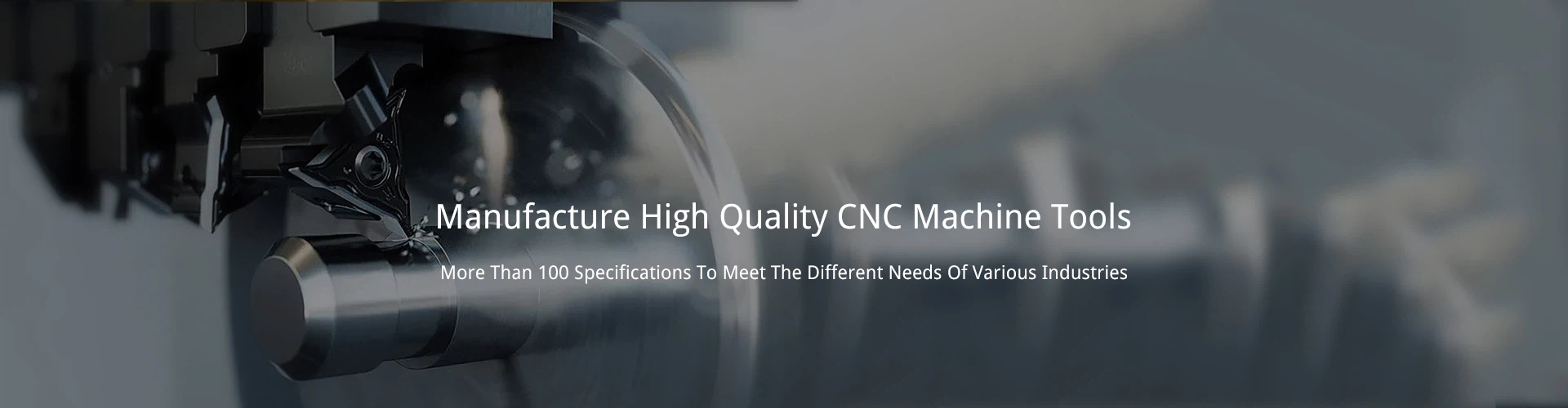
In turning, the workpiece rotates against a stationary cutting tool, making it perfect for creating cylindrical objects like shafts, bolts, or pulleys.
Turning can also be precise, shaping parts that must fit seamlessly with other components. CNC lathes (the machines used for turning) are programmed to ensure each pass shaves just the right amount of material, leaving a smooth finish.
Drilling and Boring: Making Holes with Precision
Drilling and boring are about creating holes with exact depth and diameter. In many cases, drilling makes the initial hole, and boring expands or refines it.
Imagine an automotive engine block, which needs precisely placed holes for pistons and bolts. These processes ensure that parts will align perfectly, which is especially important in assembly tasks where every hole matters.
Advanced Operations: Broaching, Grinding, and Finishing
Some parts require finer touches, which is where broaching, grinding, and finishing come in.
Broaching creates complex shapes like splines, grinding achieves a smooth surface, and finishing ensures the part is ready for its final use. These steps are especially useful in tools, medical devices, or high-performance machinery where surface quality impacts performance.
Materials Compatible with CNC Machining
One of the strengths of CNC machining is its versatility in working with a wide range of materials.
CNC machines can shape everything from durable metals to flexible plastics, making them suitable for various industries and applications. Here's a closer look at some of the most common materials compatible with CNC machining and what makes each unique.
Metals
CNC machines handle metals like aluminum, steel, brass, titanium, and stainless steel with precision. Each metal brings its own benefits-aluminum, for instance, is lightweight and corrosion-resistant, making it popular in aerospace and automotive applications.
Steel and titanium, on the other hand, are prized for their strength, making them ideal for parts that need to withstand high stress, like machinery components or medical implants.
Plastics
CNC machining works well with plastics such as ABS, polycarbonate, and nylon. These materials are lightweight, affordable, and offer good flexibility, which makes them a go-to choice for components in electronics, automotive interiors, and medical devices.
Plastics also work well for prototyping, as they're easier to machine and allow quick production of test parts.
Composites
Composites like carbon fiber and fiberglass offer high strength without the weight of metals. These materials are ideal for high-performance applications in sports equipment, automotive, and aerospace, where weight reduction is key.
CNC machining allows for precise cutting and shaping, ensuring the material retains its structural integrity even in complex shapes.
Wood and Foams
CNC machining also extends to softer materials like wood and various foams, which are often used for modeling, furniture, and construction elements.
Wood machining requires a slightly different setup to control dust and debris, but CNC machines handle it effectively, ensuring clean cuts and consistent shapes.
How Does CNC Machining Compare to Other Machining Methods?
CNC machining has earned its place as a go-to manufacturing method, but how does it stack up against other machining methods? Here's a quick comparison to understand where CNC machining excels and where other methods may be preferred.
CNC Machining vs. 3D Printing:
While CNC machining is a subtractive process (removing material to create a part), 3D printing is an additive process (building up material layer by layer).
CNC machining is often the better choice for parts that require strength and durability, as it works well with metals and high-stress materials. In contrast, 3D printing shines in rapid prototyping and complex shapes but typically lacks the strength needed for high-load applications.
CNC Machining vs. Manual Machining:
Manual machining requires direct operator control, which limits its precision and consistency, especially for complex parts or large production runs.
CNC machining automates the process, making it faster, more accurate, and capable of producing high-quality parts in large quantities. CNC is a clear winner for jobs needing repeatability and fine detail, while manual machining is best suited for simpler, lower-volume tasks.
CNC Machining vs. Injection Molding:
Injection molding is a high-efficiency method for producing plastic parts in large quantities, as it forms parts by injecting melted material into molds.
However, injection molding requires upfront costs for mold production, which makes CNC machining more cost-effective for smaller runs or custom parts. CNC also allows for tighter tolerances and greater flexibility in material choice.
CNC Machining vs. Laser Cutting:
Laser cutting uses focused light beams to cut materials with high precision, making it ideal for thin materials and intricate designs, especially in sheet metal, plastics, and textiles.
CNC machining, however, handles thicker, more complex parts better and offers a wider range of material compatibility. CNC is preferred for applications requiring durability and strength, while laser cutting suits lightweight, intricate designs.
Conclusion
CNC machining transforms ideas into precise, durable parts, whether for large-scale projects or intricate designs. At CNCYangsen, we're committed to providing machines that make every stage of production smoother and more efficient.
With options like VMCs for precise top-down tasks or 5-axis centers for complex, multi-angle projects, we have a machine to fit your needs. Ready to take your production to the next level? Explore our range of CNC machines here, and let's find the perfect fit for your next big project.