


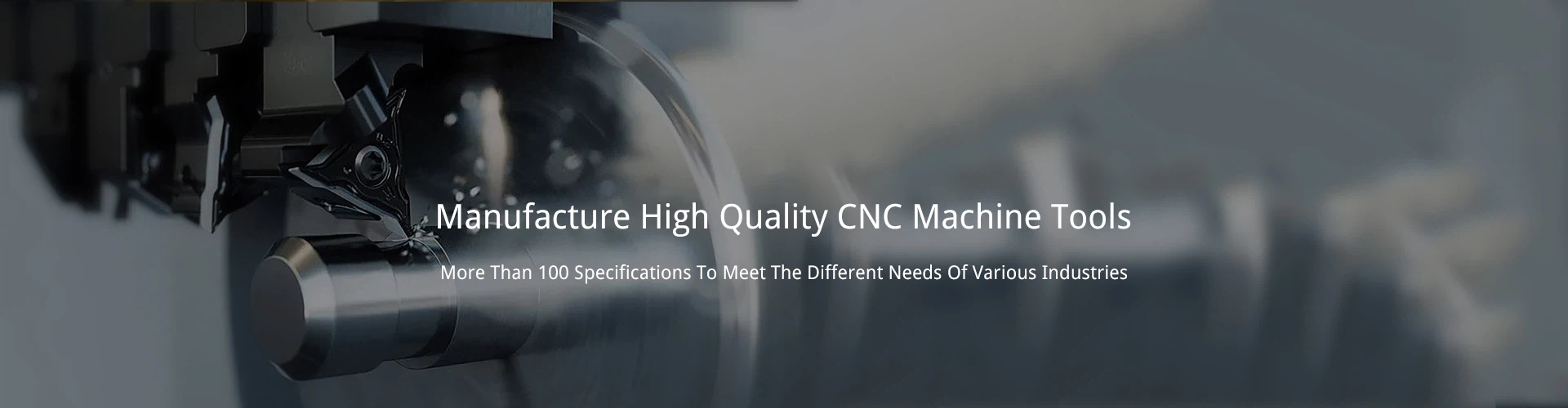
The lathe machine stands as the first basic tool that countries need for their manufacturing operations. Lathes are the main machines that transform materials into precise products across a range of production facilities, from traditional workshops to modern automated factories. CNC technology improvements have transformed lathe machines into automated systems that deliver precise results and produce detailed components throughout the entire production process.
The basic engineering principle that makes lathe machines function depends on two main elements. These are control machine movement and rotation points. The two elements of the system establish the machine operation mode together with the tool interaction process between the tool and the workpiece, which will determine the accuracy of the created output.
The blog demonstrates how to understand these concepts by providing practical examples that show their real-world applications. The operators, engineers, and business owners who learn how movements and axes work together will achieve improved machining operations.

What is a Lathe Machine and How Does It Work?
The lathe machine operates as a cutting tool that spins the workpiece at its central point to enable the cutting tool to shape the material into specific designs through its material removal function. The machine uses its rotating function to create precise cylindrical, conical, and complicated shapes.
The industry primarily uses two types of lathes, which include manual lathes and CNC lathes. Manual lathes require direct human control. The operator physically adjusts the tool position using handwheels. CNC lathes operate through programmed guidance, which enables machines to conduct precise operations throughout their work process.
The spindle plays a central role in this process by providing the rotational force needed to spin the workpiece. The cutting tool movement decides which material will be removed from the target object. The system allows operators to control movements through two methods, which include manual operation and CNC system control, which follows programmed coordinates to direct the tool along prearranged paths.
Understanding Movements in a Lathe Machine
The concept of movements requires understanding before machine axes can be studied. The lathe machine enables different movements, which allow workpieces and cutting tools to interact during machining operations. The movements enable material shaping, which results in the creation of specific shapes.

Primary Movements in Lathe Operations
The workpiece rotation generates the cutting movement, which the spindle powers. This motion serves as the fundamental method that removes material from a surface. The cutting process relies on this rotational movement for its execution. The cutting tool moves in a straight line through the surface of the workpiece during feed movement.
The movement establishes the final product shape between cylindrical turning and flat facing operations. The tool depth of cut enters the material at a depth that the penetration movement defines. The penetration movement determines how deeply the tool cuts to extract material, which affects machining efficiency.
All lathe operations depend on three basic movements, which form their foundation:
Cutting (rotational) movement
Feed movement
Depth of cut (penetration movement)
How Movements Affect Machining Accuracy
The quality of any machined part heavily depends on how well these movements are controlled. Movement variations that occur at any level will create defects along with surface finish problems and dimensional measurement errors. The feed movement produces surface finish through its ability to maintain smoothness and consistent operation.
Irregular or unstable movement can result in rough surfaces or visible tool marks on the finished part. Tool wear is another critical factor affected by movement. Tools experience accelerated wear when cutting speeds are set incorrectly or when operators apply excessive depths of cut because both conditions lead to increased friction and heat.
The situation impacts performance, and operational expenses experience an increase. All three movements must function together to achieve precision and dimensional control. The control system ensures accurate product tolerances, which remain consistent through multiple production cycles.
What Are Axes in a Lathe Machine?
CNC machining operations use axes to define all possible movements that both cutting tools and workpieces can perform throughout their machine operations. Machining operations depend on these axes, which define movement paths through their established coordinate system. Tool operation starts when an operator moves the tool according to the machine's three axes, which regulate its movement directions.
Movements depend on axes because they create a link that exists between the two elements. Movements describe what action is happening (such as cutting or feeding) while axes define where and in which direction that action occurs. The automated CNC environment requires axes because movements need them for precise control and accurate repetition.
Axes play a crucial role in determining a machine's capability. Basic lathe machines with fewer axes handle simple tasks while advanced multi-axis machines create complex components with reduced operational requirements. Basic terms state that lathe machines expand their operational capabilities through additional axes, which enable better machining results.
Main Axes in a CNC Lathe Machine

X-Axis (Radial Movement)
The X-axis is responsible for the radial movement of the cutting tool, meaning it moves toward or away from the center of the rotating workpiece. The part diameter control operates through this axis, which directly manages all machining operations.
The X-axis adjustment process controls the tool cutting depth into the material, which establishes the component's external dimensions and thickness. The X-axis control requires precise operation because it controls all turning processes, which need exact diameter measurements and strict tolerance limits.
Z-Axis (Longitudinal Movement)
The Z-axis represents the longitudinal movement of the cutting tool along the length of the workpiece. Machining operations require this movement because it defines how the tool moves across the material.
The Z-axis defines all part dimensions through its control of length, shoulder, groove, and overall part shape. This axis measures all workpiece points that handle turning, threading, and facing operations. The X and Z axes establish all fundamental CNC lathe operations, which make up standard machine practices.
Additional Axes in Advanced CNC Lathes
Y-Axis (Off-Center Machining Capability)
The Y-axis creates a movement path that goes directly against both the X-axis and Z-axis paths, enabling the cutting tool to travel above or below the workpiece's central line. The process allows machines to create features which extend beyond their central axis through operations which include drilling, milling, and manufacturing asymmetric parts.
CNC lathes use true Y-axis systems, which provide separate Y-axis movement to achieve better accuracy during programming operations. Basic systems use multiple-axis movements to mimic Y-axis behavior, but they lack precision and require complicated control methods.
C-Axis (Spindle Rotation Control)
The C-axis system enables operators to determine the spindle's rotational state while using the system to position the workpiece at predetermined rotation angles. The C-axis offers a different method of operation compared to turning because it permits operators to stop and maintain their position during drilling and milling processes.
Enables multi-position machining
Improves machining flexibility
The axis becomes essential for creating parts that need features positioned at exact angular distances from each other.
Multi-Axis Configurations (A, B, W, V Axes)
Advanced CNC lathes may include additional axes such as A, B, W, or V, depending on the machine design and application. High-end machines and multi-tasking machines use these axes because they provide extra rotational and linear movement options.
The primary function of the system is to carry out complex geometric tasks that require simultaneous machining from multiple machine directions. The introduction of additional axes enables manufacturers to create complex products through a single production process, which leads to faster manufacturing times and better productivity results.
How Movements and Axes Work Together in a Lathe
The process of lathe machining requires understanding both movement systems and axis systems as they create one whole system. The process describes all the activities that happen during production, including cutting and feeding. The axes define the direction in which these actions occur. They enable the machine to produce precise shapes, which use controlled accuracy to produce accurate results.
During a basic turning process, the workpiece spins constantly (cutting movement) while the cutting tool travels along the Z-axis path. The X-axis controls how deep the tool cuts into the material. The machine creates smooth cylindrical surfaces through its ability to synchronize rotational movement with linear axis control.
The tool moves across the face of the rotating workpiece during the facing operation. The Z-axis establishes the tool's initial position while the X-axis moves the tool across the surface to create a flat finish. The movement system and axis system work together to produce surfaces that maintain both evenness and accurate dimensions.
These examples clearly show that without proper coordination between movements and axes, achieving precision and repeatability in machining would not be possible.
Different Axis Configurations in CNC Lathes

2-Axis CNC Lathe
The most fundamental form of a CNC lathe uses two axes, which operate through X and Z movements. The machine operates through standard turning processes, which transform the workpiece into basic cylindrical or conical forms.
The setup provides an ideal solution for executing direct operations, which include facing and straight turning and basic threading tasks. The 2-axis lathe provides both cost advantages and operational simplicity, which makes it suitable for production tasks that require less advanced machinery.
3-Axis CNC Lathe
The standard 3-axis CNC lathe introduces extra machining capability through its additional Y-axis or live tooling system. The machine can perform advanced tasks, which include off-center drilling and light milling operations.
It also has the ability to maintain the workpiece position. The manufacturing industry uses 3-axis lathes because they provide essential operational features to support both moderate production complexity and efficient workflows.
4-Axis and 5-Axis CNC Lathes
The CNC lathes with 4-axis and 5-axis systems enable the tool to work from various perspectives through their introduction of both rotational and linear moving capabilities. The machines require highly precise movements to execute their complex machining operations, which demand advanced manufacturing capabilities.
The increased number of available axes enables manufacturers to execute multiple tasks during a single operational session. The process increases production accuracy while eliminating the need for equipment movement, which results in both time and operational efficiencies.
Why Axis Configuration Matters in Machining
The selection of an appropriate axis configuration stands as a vital choice that determines both machining results and operational effectiveness. The axis count requirement depends on part production complexity because simple components need fewer axes, whereas intricate designs need advanced multi-axis capabilities. The selection of axes depends on the required accuracy levels.
The production of parts with tight tolerances and complex shapes requires machines that can move their components in all directions at precise timings. The system needs a cost-effective operational method that provides sufficient capability to accomplish required tasks. The system requires an efficient operational method that needs a machine with the right axis number for all required tasks.
Key Benefits of Multi-Axis CNC Lathes
|
Benefit |
Description |
Impact on Production |
|
Higher Precision |
The cutting tool uses multi-axis movement to reach the workpiece from different angles with high precision. |
The process boosts part quality while decreasing dimensional errors. |
|
Reduced Setup Time |
The entire complex operation can be completed in one setup without the need to move the workpiece. |
The system streamlines operations through time savings and reduced need for human work. |
|
Complex Geometry Machining |
The system enables the creation of complex shapes together with different surface components and curved surface designs. |
The system enables producers to operate a new manufacturing process. |
|
Increased Productivity |
The simultaneous movement of multiple axes enables machines to work faster while decreasing the frequency of operational interruptions. |
The process increases production efficiency by enhancing all manufacturing operations. |
|
Better Surface Finish |
The combination of continuous tool paths with optimized paths helps to minimize both tool vibration and the appearance of tool marks. |
The process improves product quality through better appearance and enhanced final product appearance. |
|
Lower Labor Dependency |
Automation uses technology to decrease the requirement for human operators who need to do manual work and multiple operational tasks. |
The system decreases labor expenses while delivering more dependable production results. |
Common Mistakes When Understanding Lathe Axes

The lathe axes operations are frequently misunderstood by seasoned operators, which results in decreased productivity, incorrect results and substandard machining performance. The most common error people make is thinking that movements function as axes. Movements work to explain the actions that take place during cutting and feeding activities, while axes work to establish the movement direction.
The machine's ability constraints need to be acknowledged because they represent a different problem. The assumption that a basic machine can perform advanced multi-axis tasks results in poor accuracy or increased tool wear because not every CNC lathe can handle complex geometries.
The selection of the incorrect axis configuration represents a common error that occurs frequently. The selection of a machine with insufficient axes brings production limitations. The choice of an excessively advanced system for basic work results in unnecessary cost increases. The identification of requirement details creates a foundation that protects against the occurrence of these specific problems.
CNC Lathe Axes Quick Comparison
|
Axis |
Type of Movement |
Function |
Impact on Machining |
|
X |
Radial |
Controls diameter |
Affects thickness |
|
Z |
Longitudinal |
Controls length |
Defines part geometry |
|
Y |
Vertical / Off-center |
Enables complex features |
Adds machining flexibility |
|
C |
Rotational |
Angular positioning |
Improves precision |
How to Choose the Right CNC Lathe Axis Configuration
The selection of a CNC lathe machine requires complete knowledge about your specific machining needs. The parts that you will create need to be examined because they determine the most essential requirements. The 2-axis machine handles simple cylindrical components efficiently, but intricate designs with off-center features or multiple surfaces need additional axes for proper handling.
The type of material that needs processing becomes another important factor to consider. The machining process of harder materials or complex alloys needs advanced strategies, which only multi-axis systems can deliver through improved tool positioning and control.
A company needs to choose between capability and cost to establish optimal spending limits. The selection of a machine that matches your production needs will result in superior performance, better operational efficiency, and long-term savings.
Future of CNC Lathe Movements and Multi-Axis Technology
The CNC lathe technology base of tomorrow advances through the smart system development and automated machine operation integration process. Modern machines obtain smart control systems that provide real-time performance monitoring, fault detection, and process optimization capabilities.
Smart CNC systems establish more connections through their ability to work together with CAD/CAM software. This development leads to the creation of programming systems that deliver high accuracy and efficiency while operating at fast speeds, especially during complex part production.
The industry requirements now require multi-axis technology to become a standard solution that all companies must adopt. The manufacturing industry now requires machines that can perform multiple tasks within a single operational configuration, which leads to faster manufacturing cycles and higher operational accuracy.
FAQs
How many axes does a CNC lathe have?
The standard CNC lathe operates through its two primary axes, which are X and Z. At the same time, advanced machines provide additional axes support with Y and C, and other axes dependent on machine complexity and operational capabilities.
What is the difference between the X-axis and the Z-axis?
The X-axis controls radial tool movement between workpiece diameter changes, while the Z-axis controls machine movement, which determines workpiece length and feature placement.
What is the purpose of the Y-axis in a CNC lathe?
The Y-axis allows operators to perform off-center machining operations, which include drilling and milling as well as creating complex features that extend beyond the workpiece's main axis.
Can CNC lathes operate with more than five axes?
High-end CNC lathes provide support for more than five axes through their additional rotational and linear axes, which enable operators to perform highly complex machining operations from a single machine setup.
Why are multi-axis lathes important?
Multi-axis lathes enable manufacturers to produce accurate products through their capabilities to reduce machine setup duration and create intricate designs.
Conclusion
Understanding how movements and axes work in a lathe machine is the foundation of achieving precision machining and efficient production. Movements define how cutting actually happens, while axes determine the direction, control, and overall capability of the machine. When both are properly understood, it becomes much easier to select the right CNC lathe, improve machining accuracy, and optimize production performance.
In today's advanced manufacturing environment, multi-axis CNC technology is not just an upgrade. It is a necessity for achieving complex geometries, faster production cycles, and consistent quality output. The right knowledge of axis configuration directly leads to better decision-making, reduced errors, and improved long-term machine performance.
At GreatCNC, we are committed to providing high-precision CNC machines and advanced machining solutions that help you achieve higher productivity with lower operational costs. Whether you are upgrading your production line or exploring advanced CNC technologies, our team is ready to support you with the right solution.
