



Every successful machined part starts with the right machining process. Choose the wrong one, and you could end up with higher production costs, longer cycle times, poor surface finishes, or parts that fail to meet tolerance requirements.
Whether you're machining aluminum, steel, titanium, or cast iron, there's no single process that fits every application. Turning, milling, drilling, grinding, and other machining methods each have their own strengths, and selecting the right one depends on your part geometry, material, accuracy requirements, and production volume.
This guide explains the most common machining processes used in mechanical engineering, compares their applications, and helps you determine which process is best suited for your manufacturing needs.
What Is a Machining Process in Mechanical Engineering?
A machining process is a manufacturing method that removes material from a workpiece to create the required shape, size, and surface finish. Using cutting tools, abrasive tools, or other specialized technologies, machining transforms raw materials into precision components that meet engineering specifications.
In mechanical engineering, machining is used throughout the manufacturing process, from producing simple shafts and brackets to complex molds, engine components, and aerospace parts. Depending on the part design, a single machining operation may be enough, but most components require a combination of processes such as turning, milling, drilling, boring, and grinding to achieve the final result.
The right machining process depends on several factors, including the workpiece material, part geometry, tolerance requirements, surface finish, and production volume. Understanding the strengths of each process helps engineers and manufacturers improve machining efficiency, reduce production costs, and achieve consistent part quality.

How Are Machining Processes Classified?
Machining processes can be classified in different ways, but in mechanical engineering they are generally grouped into three main categories based on how material is removed from the workpiece. Each category is designed for different materials, accuracy requirements, and manufacturing applications.
Conventional Machining Processes
Conventional machining removes material through direct contact between a cutting tool and the workpiece. It is the most widely used category in manufacturing because it offers high efficiency, excellent dimensional accuracy, and is suitable for producing most metal and plastic components.
Common conventional machining processes include:
- Turning
- Milling
- Drilling
- Boring
- Reaming
- Broaching
- Sawing
These processes are commonly performed on CNC lathes, machining centers, and boring machines, making them the foundation of modern mechanical engineering.
Abrasive Machining Processes
Abrasive machining removes small amounts of material using abrasive grains rather than traditional cutting edges. It is mainly used when high dimensional accuracy or superior surface finish is required.
Typical abrasive machining processes include:
- Grinding
- Honing
- Lapping
These processes are often used as finishing operations after conventional machining to improve precision and surface quality.
Non-Traditional Machining Processes
Non-traditional machining removes material without relying on conventional cutting tools. Instead, it uses electrical energy, thermal energy, chemical reactions, or high-pressure fluids, making it suitable for hard, brittle, or difficult-to-machine materials.
Common examples include:
- Electrical Discharge Machining (EDM)
- Laser Machining
- Waterjet Cutting
- Electrochemical Machining (ECM)
- Ultrasonic Machining
These processes are widely used for complex geometries, delicate features, and advanced engineering materials that are difficult to machine using traditional cutting methods.
Common Machining Processes Used in Mechanical Engineering
Turning
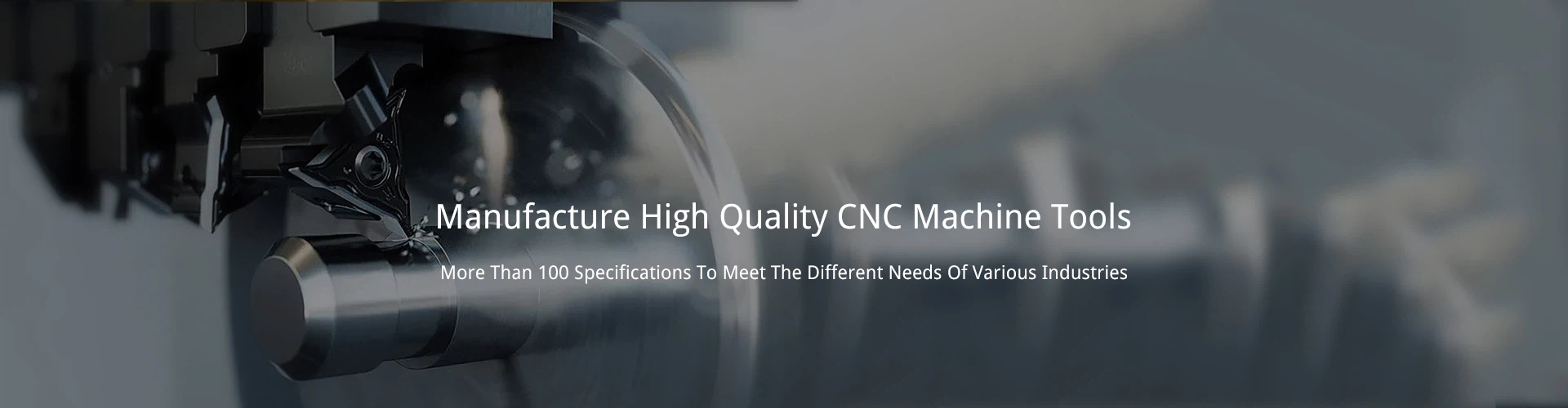
Turning is one of the most common machining processes for producing cylindrical or rotational parts. During turning, the workpiece rotates while a stationary cutting tool removes material to create the required diameter, profile, or surface.
This process is ideal for machining shafts, bushings, sleeves, flanges, threaded parts, and other round components. Besides external turning, CNC lathes can also perform facing, grooving, threading, boring, and drilling in a single setup, improving machining efficiency and reducing repositioning errors.
Modern CNC lathes and turning centers are widely used for both small-batch production and high-volume manufacturing, delivering excellent dimensional accuracy and surface finish for rotational parts.
Milling
Milling removes material using a rotating multi-point cutting tool while the workpiece remains fixed or moves along multiple axes. It is one of the most versatile machining processes because it can produce flat surfaces, slots, pockets, contours, and complex 3D shapes.
Milling is widely used for machining mold components, machine bases, brackets, aluminum parts, housings, and precision mechanical components. Depending on the workpiece size and complexity, manufacturers may use vertical machining centers, horizontal machining centers, gantry machining centers, or 5-axis CNC machines.
Compared with turning, milling offers greater flexibility for machining prismatic and irregular-shaped parts.

Hole Machining
Hole machining includes several operations used to create or improve holes, with drilling, boring, and reaming being the most common.
Drilling is used to create a new hole from solid material and is typically the first step in the process.
Boring enlarges an existing hole while improving its straightness, roundness, and dimensional accuracy, making it suitable for precision housings and bearing seats.
Reaming removes a very small amount of material to achieve a tighter tolerance and smoother surface finish after drilling or boring.
These operations are widely used in engine blocks, gearbox housings, hydraulic components, molds, and other mechanical parts where hole quality directly affects assembly accuracy.
Grinding
Grinding is a finishing process that removes a very small amount of material using a rotating abrasive wheel. Unlike conventional cutting, grinding focuses on achieving high dimensional accuracy and superior surface quality rather than removing large amounts of material.
It is commonly used for hardened steel, bearing surfaces, precision shafts, molds, and other components with strict tolerance requirements. Grinding can also correct minor dimensional errors left by previous machining operations and significantly improve surface finish.
When micron-level accuracy or excellent wear resistance is required, grinding is often the final machining step before inspection or assembly.

Other Machining Processes
In addition to the major machining methods above, several specialized processes are widely used in mechanical engineering.
Broaching is ideal for machining internal keyways, splines, and other complex profiles with high productivity.
Sawing is mainly used for cutting raw material into the required size before further machining.
Threading creates internal or external threads for fasteners, pipe fittings, and mechanical assemblies using taps, dies, or CNC threading cycles.
Although these operations are not used as frequently as turning or milling, they play an important role in completing many precision mechanical components.
How to Choose the Right Machining Process
Selecting the right machining process is not simply about choosing turning, milling, or grinding. A well-planned machining strategy improves productivity, reduces manufacturing costs, and ensures the finished part meets your quality requirements. Before deciding on a machining method, consider the following factors.
Part Geometry
The shape of the workpiece is usually the first factor to consider.
For rotational parts such as shafts, sleeves, and flanges, turning is typically the most efficient solution. Flat surfaces, slots, pockets, and complex contours are better suited to milling, while precision holes often require a combination of drilling, boring, and reaming. If a part contains multiple features on different faces, a horizontal or 5-axis machining center can often complete the job in fewer setups.
Choosing a process that matches the part geometry reduces machining time and improves overall accuracy.

Workpiece Material
Different materials behave differently during machining, so the cutting process should match the material's properties.
Aluminum alloys are easy to machine and support high-speed cutting, making milling an excellent choice. Carbon steel and alloy steel generally require rigid machines and optimized cutting parameters to maintain tool life. Hard materials such as hardened steel may need grinding or EDM to achieve the required precision, while titanium and other difficult-to-machine alloys demand stable machine performance, efficient cooling, and appropriate cutting tools.
Matching the machining process to the material helps improve productivity while reducing tool wear.
Accuracy and Surface Finish
Not every part requires the same level of precision. For general mechanical components, turning or milling is often sufficient to achieve the required dimensions. However, parts used in bearings, molds, aerospace equipment, or precision assemblies may require tighter tolerances and smoother surface finishes.
In these cases, finishing operations such as boring, reaming, or grinding are often added after rough machining. Combining multiple machining processes is a common approach to achieving both productivity and high machining quality.
Production Volume
Production quantity has a direct impact on process selection.
For prototypes and small production runs, flexible CNC machining is usually the most economical option because it minimizes tooling costs and shortens lead times. For medium- and high-volume production, reducing setup time and combining multiple operations into a single machine can significantly improve efficiency and lower the cost per part.
Selecting the right machining strategy based on production volume helps balance manufacturing cost and productivity.
Match the Process to the Right CNC Machine
Even the best machining process depends on having the right machine tool. Different CNC machines are designed for different machining tasks.
- CNC Lathes are ideal for shafts, sleeves, flanges, and other rotational parts.
- Vertical Machining Centers are well suited for plates, molds, and general prismatic components.
- Horizontal Machining Centers improve efficiency when machining multi-face parts such as gearbox housings and valve bodies.
- Horizontal Boring Machines are designed for large workpieces that require precision boring and heavy-duty cutting.
- 5-Axis Machining Centers are the preferred choice for complex curved surfaces and high-precision aerospace or medical components.
Choosing the right combination of machining process and CNC machine not only improves part quality but also reduces production time and manufacturing costs, making it easier to achieve consistent results in long-term production.


Applications of Machining Processes
Machining processes are essential across almost every manufacturing industry. From simple mechanical components to high-precision aerospace parts, different machining methods are selected based on the part's geometry, material, and performance requirements.
Aerospace
Aerospace components require exceptional precision, lightweight designs, and excellent surface quality. Machining processes such as milling, turning, drilling, and 5-axis machining are widely used to manufacture engine housings, impellers, structural components, brackets, and landing gear parts. These components often use aluminum alloys, titanium, and high-temperature alloys that demand both high machining accuracy and stable cutting performance.

Automotive
The automotive industry relies on machining to produce large volumes of precision parts with consistent quality. Common applications include engine blocks, cylinder heads, transmission housings, brake components, wheel hubs, and steering parts. CNC machining helps manufacturers improve production efficiency while maintaining tight tolerances for reliable vehicle performance.
Mold and Die
Mold manufacturing requires machining processes capable of producing complex cavities, deep pockets, and high-quality surface finishes. Milling is the primary process for shaping mold components, while drilling, boring, and grinding are used to improve hole accuracy and finish critical surfaces. High-speed machining and 5-axis machining are also widely used for molds with intricate geometries.
Energy and Heavy Equipment
Large mechanical components used in energy, mining, and construction equipment require rigid machining processes to handle heavy workpieces and demanding cutting conditions. Typical machined parts include gearbox housings, bearing seats, pump bodies, valve bodies, and large structural components. Horizontal boring machines, gantry machining centers, and heavy-duty CNC machines are commonly used in these applications.
General Mechanical Manufacturing
General mechanical manufacturing covers a wide range of industrial components used in machinery, automation equipment, agricultural machines, and industrial systems. Typical parts include shafts, flanges, brackets, plates, gears, and machine frames. Depending on the part design, manufacturers often combine turning, milling, drilling, and grinding to achieve the required accuracy, efficiency, and production cost.
FAQs
Q: What is the difference between a machining process and a machining operation?
A: A machining process refers to the overall manufacturing method used to remove material from a workpiece, while a machining operation is a specific step within that process. For example, manufacturing a gearbox housing may involve several operations, including milling, drilling, boring, and tapping, all of which are part of the overall machining process.
Q: What are the most common machining processes in mechanical engineering?
A: The most widely used machining processes are turning, milling, drilling, boring, and grinding. Turning is ideal for cylindrical parts, milling is used for flat and complex surfaces, drilling creates holes, boring improves hole accuracy, and grinding provides high precision and superior surface finish.
Q: Can one part require multiple machining processes?
A: Yes. Most precision components are produced using a combination of machining processes rather than a single operation. For example, a shaft may be turned to create its basic shape, drilled for center holes, milled for keyways, and finally ground to achieve the required tolerance and surface finish.
Q: Which machining process provides the highest precision?
A: Grinding is generally considered one of the most accurate machining processes for achieving tight tolerances and excellent surface finishes. However, precision also depends on machine rigidity, cutting tools, workholding, and machining parameters. In many applications, precision is achieved by combining rough machining with finishing operations such as boring, reaming, or grinding.
Q: Which CNC machine is suitable for different machining processes?
A: The ideal CNC machine depends on the type of part being manufactured. CNC lathes are best for rotational components, vertical machining centers are suitable for general milling applications, horizontal machining centers improve efficiency for multi-face parts, horizontal boring machines handle large workpieces, and 5-axis machining centers are ideal for complex, high-precision components.
Conclusion
Choosing the right machining process is the key to producing high-quality parts efficiently and cost-effectively. Every process has its own advantages, and the best choice depends on your part design, material, accuracy requirements, and production goals.
If you're looking for the right CNC machine to support your machining projects, GreatCNC can help. From CNC lathes and machining centers to complete machining solutions, our team will recommend the most suitable equipment based on your application. Contact us today to discuss your project or request a customized CNC solution.
