


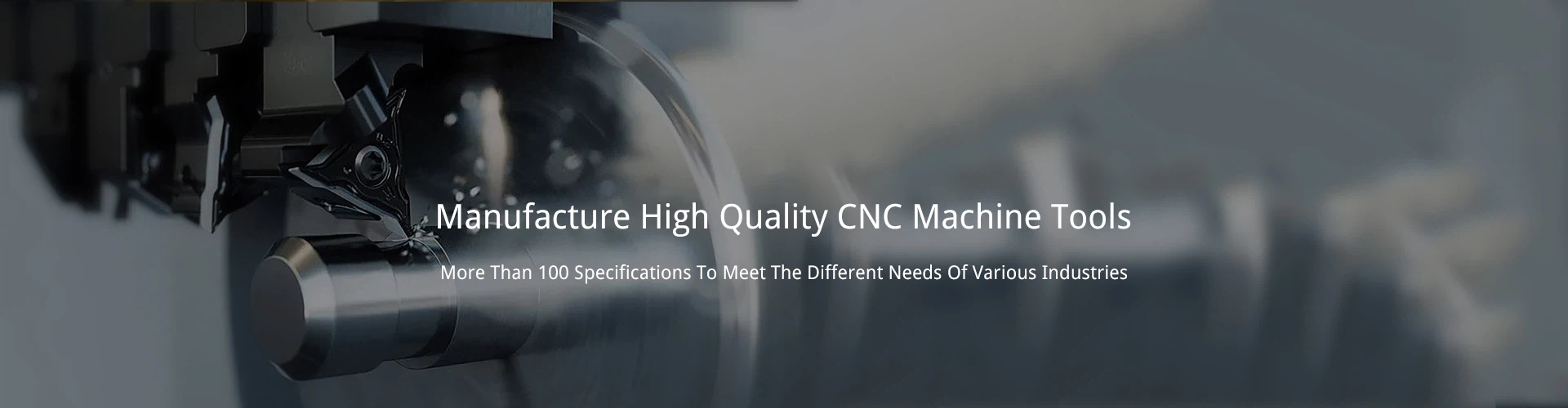
CNC Machines are a necessity of modern industry that require consistent and precise results with the least possibility of human error. Computer numerical control (CNC) machines work on pre-programmed input fed by a computing device. These machines are used in multiple industries to cut, shape, drill, and mill various materials, including metal, plastic, and wood, in accordance with the programmed instructions. The best part of using these machines is that you get repeated, precise results and that too with minimum human effort and speedily.
Industries need more than mere cutting or drilling; they also require tapping devices to make their products practical to use. Tapping helps to carve threads inside a hole to create a spiral opening for nuts, bolts, and screws. Tapping is essential in many industries and can be done both manually and automatically. Owing to the crucial nature of tapping, modern industries prefer to go for CNC automated tapping, which is known to offer accurate and precise results. CNC tapping is a quick, reliable, and precise technique to carve threads with minimal risk of tool damage and human error. Automated tapping also offers accurate results while dealing with hard materials that can't be dealt with properly with manual tapping.
In this article, you can explore CNC tapping, tapping tools, types of taps, user guideline to use tapping, tapping procedure and most importantly, the safety tips for using tapping devices. Gear up and read through the end to discover all you need to know about CNC tapping.
What is CNC tapping
CNC tapping is the procedure whereby preset computer instructions help to cut threaded holes in the desired workpiece made of either metal, plastic, or wood. It basically converts a normal drilled hole into a threaded hole that can then be used to tighten the bolt or screw inside.

CNC tapping is essential in multiple industries, including automotive, aerospace, and the electronics industry, owing to several reasons. Some of these reasons include:
●Precise cuts: CNC machine minimize the chances of human error and give consistent, accurate, and precise cuts and threads. The process can be repeated to get similar cuts and threads every time you use the same computed command.
●Quick procedure: CNC tapping doesn't require much time to prepare and set the workpiece. Rather, it is a quick, speedy and efficient alternative to manual tapping.
●Complex materials: CNC tapping can handle complex materials that are often difficult to work with using manual tapping methods. CNC machines can thread any sort of material, no matter how hard or sensitive it is, with utmost accuracy and a low chance of breakage. It can also dig a thread, no matter how deep it needs to go inside a hole, making it an ideal tool for threading complex geometrical workpieces.
●Automation: The best part of using CNC machines is that they can be automated, whereby they can work. You can also combine it with other operations like drilling or cutting, and get the desired final threaded workpiece without any hassle.
A tapped hole has threads that can fasten a screw or bolt, creating a sturdy connection. While tapping, you should vigilantly choose the size and depth of tap to get the desired thread size and depth.
Types of CNC tapping
With CNC tapping, you can carve various types of threads depending upon your intended use, the material you use, and the purpose of the thread. The type of thread depends upon the type of tap you use to thread the hole. Usually, you can use these types of taps:
●Straight Flute: These taps are used to have rather straight edges that are mostly used in through holes.
●Spiral Flute: These taps offer spiral edges inside a hole by removing unnecessary chips. You can also use a more aggressive tap design to get spiral point threads.
●Bottoming taps: The taps that can cut thread all the way to the bottom ofa blind are called bottoming taps. You can also use plug taps that can go further for a longer thread than a bottoming thread.

●Combination taps: You can get a mixture of plug and bottoming taps in combination taps for a versatile thread.
●Back taps: These taps are basically used to restore the taps that are already in use but have worn out due to excessive use. Back tap clears out any debris or chip pieces that might have stuck inside the thread, hindering it from tightening with the screw or bolt.
Each type of tap explained above has a different purpose. While some are used to remove chips from work piece, others are instructed to reshape the workpiece without chipping. Some are better suited to thread in through holes, while others are more fruitful for blind holes. So, choose an appropriate tap while CNC tapping to get the desired thread result.
CNC tapping tools
CNC tapping tools consist of all the components that are required to conduct tapping. Here is a brief list of tools that you require for tapping:
●Taps: the most crucial part is to decide the appropriate machine tap coinciding with the thread you want to generate.
●Tap coating: Coating can be of cobalt, powder metal or carbide. Choose a coating that complements thematerial of work piece and offers the desired strength and sturdiness.
●Tap holders: They can be fixed, flexible, or collets, depending upon your requirements.
●Coolant nozzles: These are required to cool the tapping device.

●Safety gear: It includes the PPE gear that one needs to stay safe during tapping.
CNC tapping tools user guide
Want to invest in the best tapping tool? Here is what you need to understand as a user:
Material compatibility: The material of the tapping tool should be adequate to use on the material of your workpiece. There are only a handful of sellers that offer a comprehensive range of tools that are compatible with multiple materials. For instance, greatcncmachine (https://www.greatcncmachine.com/cutting-tools-inserts/drilling-tools/tapping-tools/) offers tapping tools for cast iron, copper, aluminium, stainless steel and steel. You can choose the tool in accordance with your workpiece and get the best results.
●Tap type: Make sure the tap type is adequate for your workpiece.
●Tap coating: Ensure that the tap coating works perfectly when it comes in contact with the material of work piece.
●Machine compatibility: The tool you are using must be compatible with the CNC machine.
●Chip control: Employ a good coolant system to control the chipping and breakage of work piece.
CNC tapping procedure
Wondering how tapping works? Here, we are going to unveil the general procedure and protocols for the tapping technique:
●Prepare the work piece: Start by preparing the work piece, which involves getting a hole drilled in it. Make sure that the hole is appropriate as per your industry needs. It should have the required depth and size.
●Fix the workpiece: Clamp the workpiece carefully on the machine. A firm clamping is essential to ensure that the workpiece will stay firm and in place during tapping.
●Tap installation: Choose an appropriate tap to create the desired threads. Make sure that the tap is adequate for the material of work piece and then install it on the tool holder of the CNC machine.

●Set instructions on CNC machine: Program the machine properly by feeding in the desired speed, depth of tap, feed rate and retract rate.
●Apply lubricants: To deal with heat emission and friction during tapping, use an appropriate lubricant and apply it either manually or through the CNC coolant system.

●Begin tapping: After clamping the workpiece and programming your machine, you can begin tapping. When initiated, the tapping tool will begin to generate a thread inside the workpiece.
●Check the thread: Inspect the hole to see if you have got the desired thread. It is very crucial because you need to ensure that the thread matches your industry requirements and is practical to use.
●Clean the CNC machine: Once you get the desired thread, it is necessary to clean the machine properly to keep it useful for a prolonged time. It also prepares the machine for the next tapping journey. All you need to do is make sure you clean all the oil, debris and threads/chips of the workpiece.
What are the safety tips for tapping machines?
As they say, prevention is better than cure; you should take protective measures when working on a tapping machine to protect yourself from any unfortunate incident. The safety of all inclduing workers, tapping machines, tools, and work piece is essential. You must follow these safety tips while tapping:
●Wear personal protective equipment (PPE): Wearing protective equipment can save you in case of an accident. You must wear the face shields, gloves, goggles, and even hearing protection if necessary.
●Firmly clamp the work piece: A loose work piece can slip while the machine is working, causing uneven threads or even breakage of the work piece. To get accurate results, always clamp the workpiece properly before tapping.
●Use appropriate tap: The type, size and force of tap should coincide with the type of thread you want to carve inside the hole.
●Use appropriate lubricants: Use the lubricant in accordance with the material of work piece to lower the heat, friction and chance of workpiece breakage during tapping.

●Wear appropriate attire: Loose clothing and open hair near the tapping machine can lead to an accident. To avoid any such accident, it is essential to maintain an appropriate distance from the machine and wear professional attire that doesn't instigate any harmful accident.
●Keep the workplace clean: Before and during tapping, make sure that the work area is free from any hint of chips or oil. A clean workplace makes it easy and safe to use the tapping machine and helps you to get the desired results.
●Shutting down the machine: If anything seems off, then shut down the machine instantly to save yourself from any damage. Also, if you get the desired thread, then shut down the machine properly and wait for the spindle to come at resting position to make sure that it is safe to leave the machine.
These seemingly minor safety tips can make the tapping process more secure for you and your workpiece, so always choose the precaution overthe cure.
Conclusion
CNC machines have become an integral part ofthe latest industries. These machines work on preset computer instructions to achieve speedy, accurate and precise results with minimum chance of human error. Like other procedures, tapping is also conducted through CNC machines instead of manual procedures. Tapping is the process of carving a thread inside a hole accurately to offer a fastening connection to screws and bolts. Taps can be of various types, straight flute, spiral flute, bottoming, combination or back. Every tap serves a different purpose, so it should be chosen according to the desired type of thread. CNC tapping tools include more than mere types of taps. They consist of all the assisted material required for tapping, appropriate tap coating, tap holders, coolant nozzles and safety gear.
If you are new to the tapping world and want to buy the perfect tool for your industry,y then make sure the material of the tool is compatible with your workpiece, the tap type is adequate, the tap coating is non-reactive, the machine you are using is highly compatible, and you have necessary chip control in action. Tapping procedure seems quite simple and straighforward but every step needs great attention to detail. You need to prepare the work piece to start off, then clamp that work piece, install the tap, program the CNC machine, apply lubricants if required, initiate the tapping, inspect the thread thoroughly and clean the machine. Safety is essential to conduct the CNC tapping process adequately. To ensure safety, you should wear PPE, firmly clamp the work piece, use the perfect tap, use desired lubricants, wear professional attire, keep the workplace clean and properly shut down the machine.
Want to try the best tapping tools to get the accurate threads? Try out greatcncmachine.com and step into the world of high-quality CNC tools that can offer you the desired tapping results.
FAQ
1. Does CNC tapping require chipping?
In some case tapping is done through chipping the excess material to form a thread, while in some other cases, the material can be reformed to get the desired thread.
2. How to choose an adequate tap?
To choose the adequate tap, consider:
Type of hole
Material of work piece
Desired thread type and size
Compatibility of CNC Machine
3. What problems can arise while tapping?
You should be prepared to deal with common issues related to tapping :
Inadequate thread shape
Broken tap
Chip accumulation inside the hole creates hurdles
Inadequate hole size of work piece.