


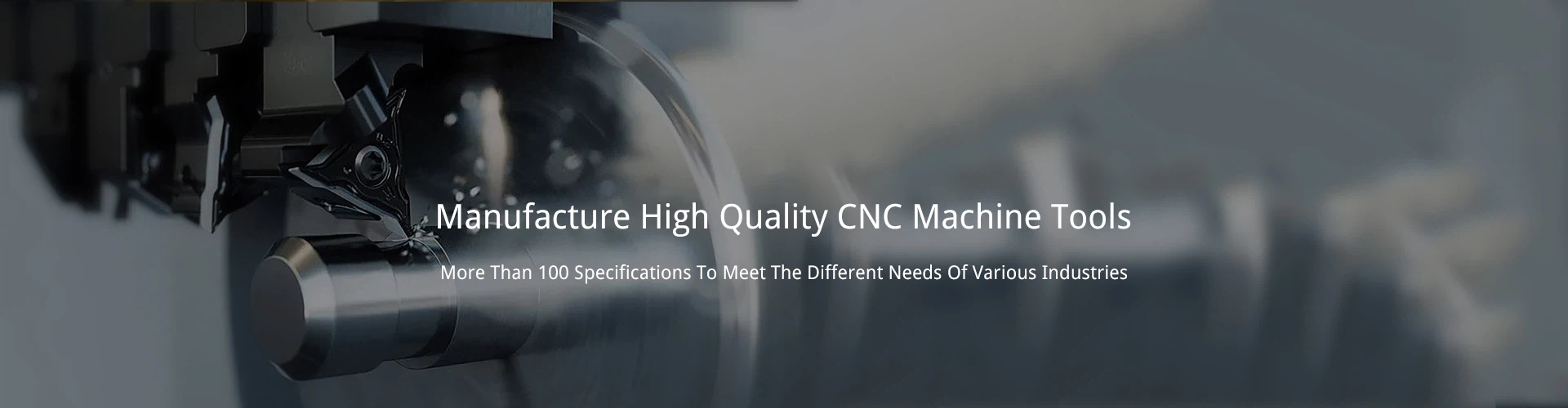
If you want better results in CNC turning, your carbide turning insert choice matters more than many buyers expect. The wrong insert can lead to short tool life, poor chip control, vibration, and inconsistent surface finish. The right one can help you cut more smoothly, reduce downtime, and improve machining efficiency. That is why understanding carbide turning inserts is so important before you buy. In this practical guide, you will learn what carbide turning inserts are, how they work, and how to choose the right shape, grade, geometry, and size for your application. Whether you machine steel, stainless steel, cast iron, or aluminum, this guide will help you make better insert decisions and avoid common selection mistakes. It is designed to give you a clearer, faster path to the right insert for CNC turning.
What Are Carbide Turning Inserts?
Carbide turning inserts are small replaceable cutting tools, but they play a major role in helping you achieve efficient, accurate, and stable CNC turning results.

A Simple Definition
A carbide turning insert is a replaceable cutting tip used in CNC turning operations. You attach it to a turning tool holder or a boring bar, and it becomes the part that directly contacts the workpiece and removes material. Instead of replacing the full tool each time the edge wears out, you only replace the insert, which makes the process more economical and convenient. In practical machining, the insert is the actual cutting edge that shapes your part, controls chips, and affects both tool life and surface finish.
Why Carbide Is Widely Used In CNC Turning
Carbide is widely used because it gives you an excellent balance of hardness, wear resistance, and heat resistance. During CNC turning, the cutting edge is exposed to friction and high temperatures, so you need a material that can stay stable under demanding conditions. Carbide works well on many materials, including steel, stainless steel, cast iron, and some non-ferrous metals. It also supports higher cutting speeds than many traditional tool materials, helping you improve machining efficiency while maintaining reliable performance.
How Inserts Work Together With Holders And Machines
A carbide insert does not work alone. It must match the tool holder, the machine setup, and the cutting task. When your insert, holder, and machine work well together, you can achieve better stability, cleaner cutting, and more consistent machining results.
What Are Carbide Turning Inserts Used For?
Carbide turning inserts are used in a wide range of CNC turning operations, so once you understand their main applications, you can choose the right insert more confidently for your actual machining needs.
External Turning
External turning is one of the most common uses for carbide turning inserts. In this operation, the insert removes material from the outside diameter of the rotating workpiece. You may use it to reduce diameter, create straight surfaces, or prepare the part for later finishing. For many shops, this is the most basic and frequent turning task.

Facing
Facing is used to machine the end surface of a part. With the right carbide insert, you can create a flat and clean face while maintaining good dimensional control. This operation is often important when you need an accurate starting surface or a finished end face with consistent quality.
Internal Turning And Boring
Carbide turning inserts are also widely used for internal turning and boring. In this case, the insert works inside a hole to enlarge it, improve its finish, or achieve a specific internal diameter. If you need accurate internal dimensions, the insert selection becomes especially important because space is limited and stability matters more.
Profiling And Contour Turning
For parts with curves, steps, shoulders, or special shapes, inserts are used in profiling and contour turning. These operations require better access and more precise edge control. If your part geometry is more complex, the insert shape and nose radius will have a bigger impact on the result.
Roughing Vs Finishing
Carbide inserts are used for both roughing and finishing, but the needs are different. Roughing focuses on removing more material efficiently, while finishing aims for better surface quality and tighter accuracy. When you match the insert to the operation, you can get better performance, longer tool life, and more stable results.
Key Features of a Carbide Turning Insert
The key features of a carbide turning insert determine how it cuts, how long it lasts, and how well it matches your CNC turning application, so understanding them helps you make better tooling decisions.
Insert Shape
Insert shape affects both cutting access and edge strength. Common shapes such as C, D, V, T, and W each offer different advantages. Some shapes give you better versatility for general turning, while others are better for profiling, shoulder access, or fine-detail work. If your part has complex geometry, shape becomes especially important.

Insert Geometry
Insert geometry refers to the design of the cutting edge and chipbreaker. This feature influences chip control, cutting forces, and how smoothly the insert performs in roughing or finishing. A roughing geometry is usually stronger and better for heavy cuts, while a finishing geometry is designed for lighter cuts and improved surface quality.
Nose radius
The nose radius is the rounded corner at the insert tip. It has a direct effect on surface finish, edge strength, and vibration behavior. A larger nose radius can improve strength and surface finish in stable conditions, while a smaller nose radius may work better when you need lower cutting forces or better access to detailed features.

Insert Size
Insert size affects strength, cutting depth capacity, and compatibility with the holder. Larger inserts are often better for heavier machining, while smaller inserts may be more suitable for lighter work or smaller parts. You should choose a size that matches both your machine setup and your cutting demands.
Grade
The insert grade refers to the carbide material formulation and its performance characteristics. Different grades are designed for different materials and machining conditions. For you, this means the right grade can improve wear resistance, toughness, and heat resistance in the specific job you are running.
Coating
Coating adds another performance layer to the insert. It can improve wear resistance, reduce friction, and help the insert handle higher temperatures. Coated inserts are often used for general machining, while uncoated inserts may be preferred in some non-ferrous or sharp-edge applications.
Relief Angle
The relief angle affects how the insert contacts the workpiece and how much clearance it has behind the cutting edge. This influences cutting forces, edge strength, and insert usability. A larger relief angle can lower cutting resistance, while a smaller one often provides a stronger edge.

Common Insert Shapes and Where They Work Best
You can choose an insert shape based on the balance you need between cutting strength, access angle, and application flexibility.
|
Insert Shape |
Typical Angle |
Main Features |
Where It Works Best |
|
C Shape Inserts |
80° |
Strong, versatile, good edge strength |
A practical choice for external turning, facing, and general-purpose CNC turning |
|
D Shape Inserts |
55° |
Sharper angle, better access than C type |
Useful for profiling, shoulder turning, and parts that need more reach |
|
V Shape Inserts |
35° |
Very sharp point, excellent access, lower edge strength |
Best for fine profiling, detailed contours, and lighter finishing work |
|
T Shape Inserts |
60° |
Economical, simple, widely used |
Suitable for general turning in many machine shops |
|
W Shape Inserts |
80° effective cutting corners/trigon style |
Multiple cutting edges, good versatility |
A good option for medium-duty work and cost-conscious machining |
|
Round Inserts |
No fixed corner angle |
Strongest edge, handles heavy loads well |
Ideal for heavy roughing, copy turning, and demanding contour work |
Insert Geometry Explained: Roughing, Medium, and Finishing
Insert geometry affects how your carbide turning insert cuts, controls chips, handles cutting forces, and delivers surface finish, so choosing the right geometry helps you get better results from the same CNC turning operation.
Roughing Geometry
Roughing geometry is designed for heavier material removal. If you are taking deeper cuts and using higher feed rates, this type of geometry gives you better edge strength and more reliable chip control. It is a practical choice when your goal is to remove material quickly and keep production efficient.
Medium Geometry
Medium geometry is a more balanced option. It gives you a useful middle ground between strength and cutting smoothness, which makes it suitable for a wide range of everyday turning jobs. If your application changes often, this type can give you more flexibility.
Finishing Geometry
Finishing geometry is made for lighter cuts and better surface quality. It usually creates lower cutting forces, which can help you achieve smoother surfaces and more stable performance, especially on parts that require tighter dimensional control.
Carbide Insert Grades Explained
Insert grade is one of the most important factors in turning performance because it helps you match the insert to your workpiece material, cutting conditions, and tool life goals.
What Does Insert Grade Mean?
Insert grade refers to the carbide material and performance characteristics of the insert. In simple terms, it affects how well the insert resists wear, heat, pressure, and edge damage during machining. If you choose the right grade, you can improve cutting stability and get more consistent results in CNC turning.
ISO Material Groups
|
ISO Group |
Material Type |
What It Means for You |
|
P |
Steel |
A common choice for machining various steel materials in general turning applications |
|
M |
Stainless steel |
Designed for tougher, heat-generating materials that often need better toughness and chip control |
|
K |
Cast iron |
Suitable for cast iron machining, where wear resistance is especially important |
|
N |
Non-ferrous |
Used for aluminum, copper, and other non-ferrous metals that often need sharper cutting action |
|
S |
Heat-resistant superalloys and titanium |
Used for demanding materials that generate high heat and stress during cutting |
|
H |
Hardened materials |
Suitable for hard materials that require strong wear resistance and stable performance |
Coated Vs. Uncoated Inserts
Coated inserts are often used when you need better wear resistance and longer tool life. Uncoated inserts are usually sharper and may work better in some non-ferrous or light-cutting applications.
Why Grade Affects Tool Life And Stability
The right grade helps you reduce wear, edge chipping, and unstable cutting. For you, that means longer tool life, more reliable machining, and lower total tooling cost.
Positive vs Negative Turning Inserts
Positive and negative turning inserts differ in cutting angle, edge strength, and cutting force, so understanding the difference helps you choose the right insert for your CNC turning conditions.
What Is A Positive Insert?
A positive insert has a relief angle that creates a sharper cutting edge and lower cutting forces. For you, this means smoother cutting, easier chip flow, and better performance on lighter machines, slender parts, or finishing work.

What Is A Negative Insert?
A negative insert usually has a stronger edge and is often more economical because it can offer more usable cutting edges. It is a better choice when you need strength, stability, and heavier material removal.

How The Relief Angle Affects Cutting Performance
The relief angle influences how the insert contacts the workpiece. A larger relief angle lowers cutting resistance but reduces edge strength, while a smaller or zero relief angle gives you a stronger edge but higher cutting force.
Which One Should You Choose?
If your setup is light or your part is less rigid, a positive insert is often safer. If your machine and setup are stable, a negative insert can give you better strength and economy.
How to Choose the Right Carbide Turning Insert
Choosing the right carbide turning insert becomes much easier when you evaluate your material, operation, insert design, and machine condition together instead of looking at one factor alone.
Start With The Workpiece Material
You should begin with the material you are machining, because steel, stainless steel, cast iron, aluminum, and other alloys place very different demands on the insert. The workpiece material affects the grade, coating, and geometry you should use.
Match The Insert To The Operation
Next, think about the actual turning task. Roughing, finishing, facing, profiling, and interrupted cutting all require different insert characteristics. When you match the insert to the operation, you improve both performance and reliability.
Choose The Right Shape And Nose Radius
Insert shape affects access and edge strength, while nose radius influences surface finish, stability, and cutting force. You should choose a combination that fits both your part geometry and machining goal.
Consider Machine Power And Setup Rigidity
Your machine power, holder stability, workholding condition, and tool overhang also matter. A stable setup can handle stronger inserts and heavier cuts, while a lighter setup often needs lower cutting force and smoother cutting action.
Conclusion
Choosing the right carbide turning insert is not just about picking a code or a shape. You need to match the insert to your workpiece material, turning operation, surface finish target, and machine stability if you want better tool life, higher efficiency, and more consistent machining results. For you, as an end user buying CNC machines, inserts are part of the full machining solution, not just a small accessory. That is why our focus is not only on supplying machine tools, but also on helping you select the right supporting tooling for real production needs. At Great CNC Machine, we aim to provide practical matching solutions for machine buyers, so you can improve machining performance, reduce trial and error, and get more value from your CNC investment.
