


Introduction
CNC lathe machines give the manufacturing industry the precision, efficiency, and versatility that traditional lathes machines cannot offer. They are used widely in aerospace, automotive amongst general manufacturing and can improve the precision of your components. However, it is important to point out that like any technological input, they have their fair share of a blessing and a curse.
In this guide you will learn what CNC lathe machines are about: their basic components and advantages, disadvantages, and how they compare with counterparts. By the end, you'll have the information necessary to make your decision on whether or not CNC lathes will benefit your operations.
What Are CNC Lathe Machines?
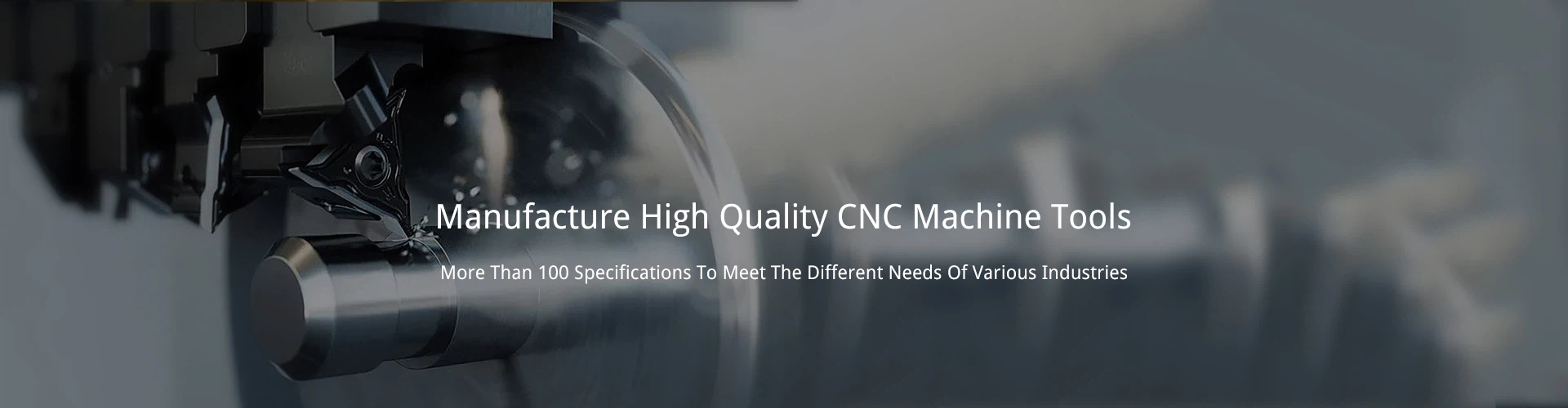
CNC lathe machines refer to machines that use Computer Numerical Control (CNC) to operate them. These machines spin a workpiece during twisting, bori, ng, or sculpting it with sharp instruments. The practice enhances quality and has high repeat accuracy, thus making cnc lathes the most preferred equipment in modern production lines.
Core Components of CNC Lathe Machines
Key components of a CNC lathe include:
Chuck: Supports for holding and rotating of workpiece properly.
Tool Turret: Subclass to pledge; holds numerous cutting tools for various machining functions.
Spindle: It controls the rotation of the workpiece.
Control Panel: The user-defined control panel and process for setting up and controlling machining procedures.
Tailstock: More so, offers support to long workpieces.
CNC Lathe Machines vs. Traditional Lathes
As with other conventional lathes, the working process of CNC lathes depends on changes that need the operator's input; at the same time, CNC lathes perform their operations based on a set of programs.
This minimizes the work of human intervention and enhances the rate at which the work is done. Many designs can also be accomplished through CNC lathes, and the precision of the products that come off these machines is higher compared to those produced by manual lathes.
Industries Using CNC Lathe Machines
Some of the common industries leveraging CNC lathes include:
Aerospace: High-degree matched accurate engine part and section metal elements.
Automotive: More so, for gears, shafts, as well as any other more detailed car parts.
Medical: Especially for surgeries as well as for prosthetic devices.
Electronics: To work in small dimensions and for manufacturing smaller structures such as connectors and housings.
Advantages of CNC Lathe Machines
Precision and Accuracy
CNC lathes provide great accuracy, holding the order of [+-] 0.0004 inches in turning operations. This also checks that parts that are produced are well shaped, thereby minimizing chances of producing shaping that is of standard or wastage.
Efficiency and Productivity
Single-piece CNC lathes bring actions that mechanize most of the machining procedures, thus making the work much faster. The fact that they can perform several operations in one configuration is time-saving and improves throughput.
Versatility and Scalability
They can work with various materials like metals, plastics, and any other composite material that one can think of. What makes CNC lathes versatile is the ability to program any or all operations that are required in small batches as well as mass production.
Consistency in Quality
CNC lathe machines are particularly efficient in one aspect; consistency. The machine as soon as coded has minimal variation from preferred form and size especially for large orders the output is homogenous.
Lower Human Labor Costs
CNC lathes are used extensively in production and they don't necessarily need too much supervision as they operate independently once set in motion by the operator; one technician can attend to several of these CNC lathes at a go. This cuts down on the expenses that go to labor in the business.
Clean and Safe Workspace
Chopping centers, including walls, trails, floors, work benches, and ceilings, eliminate the problem of cluttering by chips and coolant. This design also reduces the exposure of the operator to risks hence improving the safety of the plant.
Disadvantages of CNC Lathe Machines
The CNC lathe machines have the following drawbacks;
High Initial Costs
CNC machines are capital-intensive in terms of acquisition and implementation of the technology and may cost anything from tens to hundreds of thousands of dollars. It also costs more in terms of maintenance, and also in software upgrades.
Training Requirements
The handling of the CNC lathes is not generalized and demands professional knowledge. Programmable tool knowledge and understanding of the machine are required, which puts pressure on companies with operators who do not have the skills.
Maintenance and Downtime
A CNC lathe requires much attention to ensure it works effectively, and therefore maintenance should be done frequently. They are a significant concern because they cause costly production down times which can be frustrating to experienced producers.
Material Waste
Although CNC machining reduces as small as possible the error rate associated with the process, the subtractive method that it entails produces waste material. This can become an issue for those manufacturers who have sustainability at the core of their activity.
Design and Size Limitations
A CNC lathe has a designed working area that defines the limit size of a part that is to be produced. Complex designs may also involve extra steps or higher tech equipment as well Simple, low culture designs do not necessarily need as much effort or as high tech of machinery.
Limited Suitability for Some Materials
It was, however, found out that all materials are not compatible with CNC. Some types of plastics and composites need more elaborate tools or processes, thus the cost and difficulty rise.
Environmental Concerns
As mentioned earlier the cnc operations require the use of electricity and coolants which pose a danger to the environment when not well controlled. Making use of sustainable practices and energy shall also reduce such issues.

Comparing CNC Lathe Machines to Alternatives
CNC vs. Manual: A Machining Comparison
Speed: Generally, the operations performed using CNC machining can take nearly half or even a third of the amount of time taken by traditional machining.
Precision: CNC systems are more precise and accurate and they provide maximum control.
Flexibility: Manual machining may be more beneficial for one-time tasks such as repairs because it does not necessitate programming.
Vertical Lathes and Horizontal Lathes
Vertical Lathes: Less suitable for slender and small workpieces as they provide enhanced stability for large and high workloads.
Horizontal Lathes: More suitable for the smaller, longer parts as it is flexible in its design.
CNC Turning vs. CNC Milling
Turning: Uses several tools to cut the workpiece and is suited for cylindrical jobs.
Milling: Utilizes a rotating cutting tool which is best suited for cutting workpieces that do not move, for intricate shapes.
Tips for Optimizing CNC Lathe Machine Operations
Essential Rules for Safe CNC Machining
Wear Proper Safety Gear: It is advisable to wear goggles and gloves while working and also protect your ears from any form of injury.
Inspect Tools and Workpieces: The tools and materials used should be inspected for any cases of wear or defects that would cause operational danger or affect precision.
Follow Proper Loading Procedures: Set and fix workpieces in such a way that none of the clamps leaves room for any accidents to occur during the process of their usage.
Avoid Manual Interference: One should never interrupt a procedure of the machine; operations should be terminated fully before walking away.
Emergency Preparedness: Vent yourself with stop-over buttons and procedures that may be needed in case of an emergency or system failure.
Best Practices to Increase Productivity
Use Advanced Programming Techniques: Tool paths should be optimized to reduce the amount of time wasted as well as decrease the amount of tool changes.
Invest in High-Quality Cutting Tools: Better finishes, shorter cycle time, and longer tool life are among the features that are associated with reliable tools.
Leverage Automation: Integrate a robotic arm or tool changer to minimize repetitive movements as well as increase productivity.
Organize Workspace: Work on tools, materials, and resources should be easily accessible to avoid frequent setting up to work.
Monitor Machine Performance: Track the process of work in real-time and control the sources of time loss or ascertain that everything is operated at maximum efficiency.
Maintenance Tips to Extend Machine Lifespan
Regular Cleaning: Coating chips, debris, and Coolant residuals should be scraped off daily to avoid buildup, overheating, and wearing out.
Lubricate Moving Parts: Maintenance calls for frequent lubrication of spindles, bearings, and slides to achieve enhanced performance.
Replace Worn-Out Tools: Replace uninteresting or worn instruments early so as not to exert a lot of pressure on machines and for good performance.
Check Alignments: Thus, to increase the accuracy and prevent the emergence of defects, it is important to periodically inspect and recalibrate the alignment of the machines used.
Schedule Preventative Maintenance: Include in your checklist checkups on belts, bearings, and electrical systems to avoid costly repairs.
Emerging Trends in CNC Lathe Technology
AI and Automation in CNC Systems
CNC lathe technology is advanced through AI and automation. Automated software empowers machines to automatically operate and optimize their processes, thus minimizing the possibility of making further errors and increasing efficiency. AI-based tools like predictive maintenance identify problems before they occur and disrupt operations, thus conserving costs and boosting efficiency.
Computerized equipment like robots for pick-up and deposition of parts, decreases manual handling and facilitates constant working round-the-clock. Smart sensors and IoT solutions in particular allow for the uninterrupted supervision of the equipment, allowing operations to be performed remotely and more intensively to increase equipment usage.
Sustainable and Energy-Efficient CNC Designs
Industry pressures such as rising environmental consciousness are leading to the creation of energy-efficient CNC lathe machines. Companies are using technologies such as regenerative braking and energy-optimal drives to reduce power consumption. Sustainability also targets environmentally friendly lubricants and shrouds, or the recycling of materials wherever possible.
Also, precision manufacturing reduces material loss, which is an aspect of the green manufacturing initiative. These advancements do not only suffice regulatory compliance but at the same time also provide a desirable appeal to business operations.
Future Possibilities for Material Compatibility
Application of technology in CNC lathes is advancing to meet challenging materials like carbon composites, titanium alloys,s, and ceramics. On this same note, it is crucial to note that advanced tooling such as diamond cutting tools and adaptive machining approaches make such material machineable.
The future of CNC systems may extend to developing new integrated CNC systems with both additive manufacturing capabilities and traditional machining abilities, which will allow the selection of more materials and ideas for an object. Such developments will allow manufacturers to produce parts of less weight and more elevation, as well as intricate designs to be used in aerospace, automobile, and medical fields.
Conclusion
CNC lathe machines are one of the most commonly used tools in today's manufacturing markets, they provide accuracy, sand peed, and can be used to mass produce several different things. Although they present some problems including high costs and training issues, on the balance their pros surpass their cons. It does not matter whether you are manufacturing in small lots or large lots, CNC lathes can greatly impact your business.
The above points can help you understand CNC machining better so that you can decide to achieve the best benefits it has to offer to your business organization.
FAQs
Q1: What is the main advantage of a CNC lathe over manual lathes?
CNC is extremely accurate, fast, and uniform, especially for mass production related to large-scale industries.
Q2: Are CNC lathe machines cost-effective for small-scale businesses?
Yes, but high initial cost and training could be proving as a core issue for small businesses.
Q3: Can CNC lathe machines work with all materials?
They can be made of anything but some of these may need to be machined.
Q4: How do CNC lathe machines improve workplace safety?
The press has also enclosed machining areas in an attempt to protect operators from injuries that may be caused by flying debris among other safety measures.
Q5: What is the lifespan of a CNC lathe machine?
Mechanically maintained CNC lathes could span a decade up to two decades or more.