


Introduction
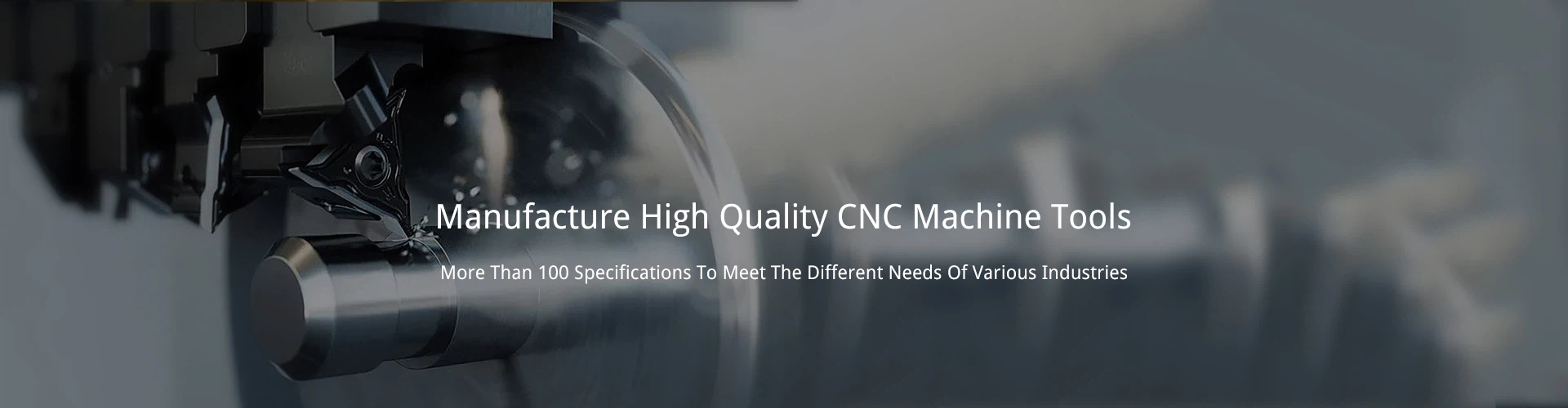
CNC turning inserts are precision cutting tools used in turning operations within Computer Numerical Control (CNC) machines. These inserts play a crucial role in the machining process by helping to remove material from a workpiece, creating precise shapes and surfaces. Turning inserts are typically made from durable materials like carbide, ceramic, or even diamond composites, allowing them to withstand the high speeds and pressures involved in machining.
In CNC machining, turning inserts are mounted on toolholders and are designed to cut, shape, and finish metals, alloys, plastics, and other materials. They are especially popular in industries that demand high precision, such as aerospace, automotive, and medical device manufacturing.
Key Features of CNC Turning Inserts:
Precision: CNC turning inserts provide high accuracy and repeatability, ensuring that every part is machined to tight tolerances.
Efficiency: These inserts help improve cutting efficiency, making processes faster and more cost-effective by reducing downtime.
Versatility: CNC turning inserts come in various shapes, sizes, and coatings, making them adaptable for different materials and cutting conditions.
Durability: Made from hard materials, turning inserts are built to last through repeated machining operations, providing long tool life.
While their small size may seem insignificant, turning inserts have a massive impact on the overall machining performance. Choosing the right turning insert ensures higher productivity, improved surface finishes, and reduced machining costs in the long term.

The Importance of Choosing the Right CNC Turning Insert
Choosing the right CNC turning insert is critical for ensuring the efficiency, cost-effectiveness, and overall quality of the machining process. Different machining operations, materials, and conditions require specific inserts to achieve optimal results. Selecting the wrong insert can lead to premature tool wear, poor surface finish, and increased production costs. Here's why it's so important to choose the right insert:
Impact on Cutting Efficiency
The right CNC turning insert enhances the cutting efficiency of the CNC machine. Inserts made from high-performance materials like carbide or ceramic can withstand higher cutting speeds and heat, enabling faster machining processes. This helps reduce cycle times, resulting in increased productivity and cost savings. Using an insert that is not suited for the material or application can result in slower machining speeds, increased downtime, and lower output.
Tool Life and Cost Efficiency
The selection of the correct insert directly affects its tool life. High-quality inserts that are designed for specific materials will perform better and last longer, reducing the frequency of tool changes. By choosing the right insert, manufacturers can avoid unnecessary costs associated with frequent insert replacements and maintenance. A longer tool life also means less downtime for tool changes, contributing to improved overall productivity.
Additionally, the right insert helps reduce scrap material. Poor tool choice can cause wear that leads to poor-quality cuts, resulting in more rework or discarded parts. By optimizing tool selection, you can reduce waste and improve the bottom line.
Surface Finish and Part Quality
The right CNC turning insert plays a key role in achieving high-quality surface finishes and precise part dimensions. Inserts made from high-strength materials are capable of maintaining their sharp edges for longer, ensuring clean, smooth cuts. This is particularly crucial in industries where precision is key, such as aerospace, automotive, and medical device manufacturing.
Using an inappropriate insert can lead to poor surface finishes, which can require additional post-processing steps like polishing or grinding, thus increasing costs and lead times. Proper insert selection ensures that the required surface finish is achieved in the initial machining process.
Reducing Tool Wear and Heat Generation
Certain materials, especially metals like stainless steel and titanium, generate significant heat during cutting. CNC turning inserts made from high-quality materials such as carbide or CBN (Cubic Boron Nitride) are designed to dissipate heat effectively, preventing excessive tool wear and heat damage to the workpiece. Choosing the wrong insert can lead to rapid tool wear, surface distortion, or thermal damage, which not only affects the quality of the workpiece but also shortens tool life.
Matching Inserts to Material and Cutting Conditions
Different machining operations require inserts that are optimized for specific materials and cutting conditions. For instance, high-speed machining of soft metals like aluminum demands inserts with excellent wear resistance and chip control, while machining harder materials like cast iron or steel requires tougher inserts that can withstand extreme cutting forces and temperatures.
By carefully matching the insert type to the material, cutting speed, and depth of cut, you can ensure more effective machining and reduce the risk of tool failure or poor-quality results.
Performance in Specialized Applications
In some cases, specialized applications require tailored inserts to meet unique demands. For example, inserts designed for precision turning applications in the aerospace or automotive industries may need to deliver not only high-performance cutting but also exceptional surface finishes or dimensional accuracy. In such cases, selecting the right insert is essential for meeting the strict standards required by these industries.
Types of CNC Turning Inserts
CNC turning inserts come in a variety of materials, shapes, and coatings designed to meet different machining requirements. Understanding the types of inserts available is essential for choosing the right one for your application. Below are the most common types of CNC turning inserts used in industry today:
1. Solid Carbide Inserts
Solid carbide inserts are one of the most widely used types in CNC turning due to their exceptional hardness and wear resistance. Made primarily from tungsten carbide mixed with a metallic binder, these inserts can withstand high cutting speeds and offer excellent dimensional stability.
Applications: Suitable for machining a broad range of materials including steel, stainless steel, cast iron, and non-ferrous metals.
Advantages: High strength, good toughness, and superior resistance to abrasion and deformation.
Limitations: More brittle compared to some other materials, so they require careful handling to avoid chipping.

2. Ceramic Inserts
Ceramic inserts are made from aluminum oxide or other ceramic compounds. They excel in high-temperature resistance and are often used for high-speed machining of hard materials.
Applications: Ideal for hard materials such as hardened steels, cast iron, and superalloys.
Advantages: Excellent thermal stability, wear resistance, and ability to maintain cutting edge at high temperatures.
Limitations: Lower toughness, making them more susceptible to chipping under interrupted cuts or heavy load conditions.
3. CBN (Cubic Boron Nitride) Inserts
CBN inserts are made from cubic boron nitride, one of the hardest materials after diamond. They are specifically designed for cutting hard ferrous materials.
Applications: Perfect for hard steels, cast irons, and heat-resistant alloys.
Advantages: Exceptional hardness and thermal resistance, providing long tool life even in tough conditions.
Limitations: Higher cost and brittleness; best suited for continuous cutting rather than interrupted operations.
4. PCD (Polycrystalline Diamond) Inserts
PCD inserts are composed of synthetic diamond grains sintered together. They are among the hardest and most wear-resistant inserts available.
Applications: Primarily used for machining non-ferrous materials such as aluminum, copper, composites, plastics, and abrasive materials.
Advantages: Outstanding wear resistance, high surface finish quality, and excellent dimensional accuracy.
Limitations: Not suitable for ferrous materials as diamond reacts chemically with iron at high temperatures.
5. Coated Inserts
Coated inserts feature a base substrate (often carbide) with a thin layer of coating materials such as Titanium Nitride (TiN), Titanium Carbonitride (TiCN), Titanium Aluminum Nitride (TiAlN), or Aluminum Chromium Nitride (AlCrN).
Applications: Coatings enhance insert performance across a variety of materials and cutting conditions.
Advantages: Improved hardness, heat resistance, reduced friction, and extended tool life.
Common Coating Types:
TiN: Provides good wear resistance and reduces friction.
TiCN: Harder than TiN, suitable for stainless steel machining.
TiAlN: High oxidation resistance, ideal for high-speed cutting.
AlCrN: Excellent heat resistance, suitable for dry machining.

6. Special Geometry Inserts
Besides material types, inserts also vary by shape and geometry to optimize cutting performance for specific applications:
Round Inserts: Great for roughing and heavy cuts due to high strength.
Triangle Inserts: Offer three cutting edges, useful for general-purpose turning.
Square Inserts: Provide four cutting edges and are good for medium to heavy cutting.
Diamond (Rhombic) Inserts: Ideal for finishing and precision turning.
Others: Octagonal, pentagonal, and specialty shapes tailored for specific cutting needs.
Understanding these types of CNC turning inserts and their unique characteristics will help you select the best tool for your machining challenges. The right insert choice not only enhances productivity but also improves surface quality and reduces tooling costs.
How to Choose the Right CNC Turning Insert
Selecting the right CNC turning insert is crucial to achieving optimal machining performance, cost efficiency, and product quality. With the wide variety of insert materials, shapes, coatings, and grades available, it's important to consider several key factors before making your choice. Below are the main considerations to help you choose the best turning insert for your specific application:
1. Consider the Workpiece Material
The type of material you are machining significantly affects the choice of turning insert. Different materials require inserts with specific properties:
Soft Metals (e.g., Aluminum, Copper): Use inserts with sharp edges and coatings that reduce built-up edge (BUE), such as PCD or coated carbide.
Steel and Stainless Steel: Carbide inserts with coatings like TiCN or TiAlN work well to resist wear and maintain sharpness.
Cast Iron: Ceramic and CBN inserts are preferred due to their hardness and heat resistance.
Superalloys and Hardened Steels: CBN or ceramic inserts provide superior wear resistance and cutting performance.
Non-metal Materials (e.g., Plastics, Composites): PCD inserts are typically best due to their sharp cutting edges and wear resistance.
2. Match the Insert Geometry to the Machining Operation
The shape and geometry of the insert should match the cutting operation and desired finish:
Roughing: Use inserts with stronger cutting edges and larger corner radii, such as round or square inserts, to withstand heavy cuts and vibrations.
Finishing: Choose inserts with sharper edges and smaller nose radii, like diamond-shaped inserts, to achieve smooth surface finishes and tight tolerances.
Profiling and Grooving: Specialized insert shapes designed for detailed or complex cuts are ideal here.
3. Evaluate Cutting Conditions
Cutting speed, feed rate, depth of cut, and machine rigidity influence insert selection:
For high-speed machining, choose inserts with heat-resistant coatings (e.g., TiAlN) and materials like carbide or ceramic.
For interrupted cuts or heavy-duty machining, tougher inserts like coated carbide or CBN are better at resisting chipping.
If your operation involves light cuts and finishing, sharper inserts with fine geometry perform best.
4. Consider Tool Life vs. Cost
Balancing tool life and cost-effectiveness is key:
High-performance inserts (e.g., CBN, PCD) typically have a higher upfront cost but provide longer tool life and better surface finish, reducing overall production costs.
Carbide inserts offer a good balance between price and performance for general applications.
Avoid selecting inserts solely based on the lowest price; cheaper tools often wear out faster, increasing downtime and scrap rates.
5. Check Compatibility with Machine and Toolholder
Make sure the insert you choose fits your CNC machine's toolholders and tooling system. Proper fitment ensures stability and accurate cutting. Some inserts are designed specifically for certain toolholders or clamping systems, so compatibility is essential.
6. Take Advantage of Manufacturer Recommendations and Testing
Consult the insert manufacturers' catalogs and technical data sheets. Many suppliers provide detailed guidelines on which inserts suit specific materials and operations. Testing different inserts under your specific machining conditions can also help identify the best-performing options.
By carefully considering these factors-workpiece material, insert geometry, cutting conditions, cost, machine compatibility, and manufacturer recommendations-you can select the right CNC turning insert to maximize efficiency, improve surface quality, and reduce machining costs.
Common Applications for CNC Turning Inserts
CNC turning inserts are widely used across various industries due to their precision and efficiency:
Automotive Industry: Used for machining engine parts and transmission components, requiring high-speed and accurate cutting.
Aerospace Industry: Ideal for tough materials like titanium and superalloys, producing critical parts with strict quality demands.
General Manufacturing: Versatile for machining shafts, fittings, and custom metal parts in different materials.
Medical Devices: Precision machining of implants and surgical tools with tight tolerances and smooth finishes.
Oil & Gas: Handles hard alloys and heavy-duty parts like valves and drilling equipment with strong wear resistance.
Conclusion
Selecting the right CNC turning insert is essential for maximizing machining efficiency, improving part quality, and reducing overall production costs. By understanding the different types of inserts and considering factors such as workpiece material, cutting conditions, and desired finish, you can make informed decisions that enhance your manufacturing process.
Investing in high-quality inserts tailored to your specific application not only extends tool life but also boosts productivity and ensures consistent, precise results. Whether you are working in automotive, aerospace, medical, or general manufacturing, the right turning insert will help you achieve superior performance and cost savings.
For expert advice and a wide range of high-quality CNC turning inserts, feel free to contact us or explore our product offerings.