


When choosing a CNC machine, one question comes up again and again: Should you buy a lathe or a milling machine? At first glance, they both cut metal and shape parts, but they work in completely different ways-and choosing the wrong one can lead to lower productivity, higher costs, or parts that simply can't be made.
In this guide, we'll compare how lathes and mills work, what they're best suited for, and how to choose the right machine for your machining needs.
What Is a Lathe Machine?
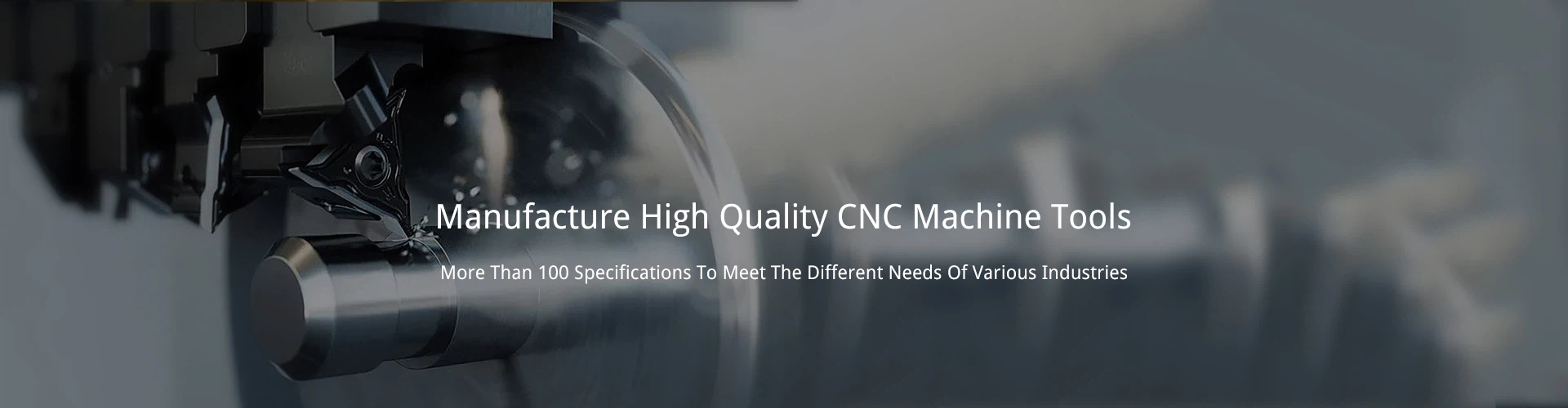
A lathe machine is a machining tool designed to produce round or cylindrical parts. Unlike a milling machine, a lathe works by rotating the workpiece while a cutting tool removes material to create the required shape, size, or surface finish.
Lathes are widely used for machining parts such as shafts, bushings, sleeves, rollers, pins, threaded components, and hydraulic fittings. They can perform a variety of operations, including turning, facing, boring, grooving, drilling, and threading, making them one of the most common machines in modern manufacturing.

How Does a Lathe Work?
The machining principle of a lathe is straightforward. The workpiece is clamped in a chuck or between centers and rotates at high speed. A cutting tool then moves along the X and Z axes to remove material until the desired dimensions are achieved.
This cutting method makes lathes especially suitable for producing parts with rotational symmetry, delivering high efficiency and consistent accuracy in batch production.
Common Types of Lathes
Different machining tasks require different types of lathes. The most common options include:
Manual Lathe – Operated by hand, suitable for repair work, prototyping, and small-volume production.
CNC Lathe – Controlled by CNC programming for higher precision, repeatability, and automated production.
Turning Center – An advanced CNC lathe equipped with automatic tool changers and live tooling, capable of completing multiple operations in a single setup.
Vertical Lathe (VTL) – Designed for machining large, heavy workpieces such as flanges, gears, bearing rings, and large housings.
What Parts Can a Lathe Make?
Lathes are primarily used to manufacture rotational parts across many industries. Typical examples include:
- Transmission shafts
- Bushings and sleeves
- Rollers
- Pins
- Pipe fittings
- Hydraulic components
- Automotive shafts and hubs
- Bearing components
If your parts are mostly round, cylindrical, or rotational, a lathe is usually the most efficient and cost-effective machining solution.
What Is a Milling Machine?
A milling machine is designed to machine flat, angular, and complex-shaped parts. Unlike a lathe, a milling machine works by rotating the cutting tool while the workpiece remains fixed on the table. By moving the tool or the workpiece along multiple axes, it can create precise features that a lathe cannot easily produce.
Milling machines are widely used to manufacture molds, machine frames, brackets, housings, precision plates, and aerospace components. They can perform operations such as face milling, slot milling, drilling, tapping, boring, and contour machining, making them one of the most versatile machines in modern manufacturing.
How Does a Milling Machine Work?
In a milling machine, the cutting tool rotates at high speed while the workpiece is securely clamped to the table. The machine moves along the X, Y, and Z axes to remove material from different directions, allowing multiple surfaces and complex geometries to be machined in a single setup.
This flexibility makes milling machines ideal for parts that require high precision, multiple machining features, or intricate shapes.
Common Types of Milling Machines
The most common types of milling machines include:
Vertical Milling Machine – The spindle is mounted vertically, making it suitable for general machining, mold making, and precision parts.
Horizontal Milling Machine – The spindle is mounted horizontally, providing greater rigidity for heavy-duty cutting and high-volume production.
Vertical Machining Center (VMC) – A CNC vertical milling machine with an automatic tool changer, widely used for precision and batch machining.
Horizontal Machining Center (HMC) – Designed for machining multiple sides of a workpiece with excellent chip evacuation and productivity.
5-Axis CNC Machine – Allows simultaneous machining from multiple angles, making it ideal for complex aerospace, medical, and automotive components.

Vertical Machining Center

Horizontal Machining Center

Gantry Machining Center

5-Axis CNC Machine
What Parts Can a Milling Machine Produce?
A milling machine can manufacture a wide variety of non-rotational and complex parts, including:
- Mold and die components
- Aluminum housings
- Machine bases
- Mounting brackets
- Precision plates
- Aerospace structural parts
- Medical components
- Automotive parts
If your workpieces require flat surfaces, slots, pockets, holes, or complex 3D features, a milling machine is generally the better choice.
Difference Between Lathe and Mill
Although both machines remove material with cutting tools, they are designed for different machining tasks. Understanding these differences will help you choose the right machine for your parts instead of simply comparing prices or specifications.
Motion and Cutting Principle
The biggest difference lies in what rotates during machining.
On a lathe, the workpiece rotates while the cutting tool moves to remove material. This makes it ideal for producing cylindrical parts with excellent concentricity.
On a milling machine, the cutting tool rotates while the workpiece remains fixed. The tool can approach the workpiece from different directions, making it much more suitable for machining flat surfaces and complex geometries.
Part Shape
The shape of the part often determines which machine you need.
A lathe is best for parts with rotational symmetry, such as shafts, pins, bushings, rollers, and threaded components.
A milling machine is better for square, rectangular, or irregular parts that require multiple faces, pockets, slots, or complex contours.
Machining Operations
Each machine excels at different machining operations.
A lathe is mainly used for:
- Turning
- Facing
- Boring
- Grooving
- Threading
- Drilling
A milling machine is commonly used for:
- Face milling
- Slot milling
- Pocket milling
- Drilling
- Tapping
- Contour machining
- Surface finishing
Accuracy and Part Complexity
Both machines can achieve high machining accuracy, but they are optimized for different types of work.
A lathe provides excellent accuracy and surface finish on round parts, especially in high-volume production.
A milling machine offers greater flexibility for machining multiple surfaces, complex features, and intricate 3D shapes in a single setup.
Typical Applications
The choice between a lathe and a mill also depends on the industries and products you manufacture.
Lathe applications:
- Automotive shafts
- Hydraulic cylinders
- Pipe fittings
- Bearings
- Oil & gas components
Milling machine applications:
- Mold and die manufacturing
- Aerospace structural parts
- Medical devices
- Machine frames
- Precision fixtures
- Aluminum housings
By understanding how each machine works and the types of parts it produces, you can quickly determine which one is the better fit for your manufacturing needs.
Should You Choose a Lathe or a Mill?
The right choice depends on the parts you manufacture, not simply the machine itself. Before investing, think about your workpiece shape, machining requirements, production volume, and future business plans.
Choose a Lathe If:
A lathe is the better option if you mainly produce round or cylindrical parts. It delivers high efficiency, excellent concentricity, and consistent quality in turning applications.
A lathe is ideal when you:
- Machine shafts, bushings, pins, rollers, or pipe fittings
- Focus on turning, threading, grooving, or facing operations
- Produce large quantities of rotational parts
- Want fast cycle times for turning applications
Choose a Mill If:
A milling machine is the better choice if your parts have flat surfaces, multiple faces, or complex features. It offers greater flexibility and can complete several machining operations in a single setup.
A milling machine is ideal when you:
- Machine molds, brackets, housings, and precision plates
- Need milling, drilling, tapping, and boring on one machine
- Produce complex or irregular-shaped components
- Require multi-face or high-precision machining
When You Need Both
Many manufacturers don't choose either a lathe or a mill-they use both.
For example, a shaft may first be turned on a CNC lathe to create its outer diameter, then transferred to a CNC milling machine to machine keyways, flats, holes, or mounting features. Using both machines allows each process to be completed more efficiently while maintaining high part quality.
If your product range includes both rotational and prismatic parts, investing in both a lathe and a milling machine can provide greater production flexibility and support future business growth.
FAQs
Q: Can a milling machine replace a lathe?
A: Not completely. While a milling machine can machine some round features using rotary tables or 4th-axis attachments, it cannot match a lathe's efficiency or accuracy for turning cylindrical parts. If you mainly produce shafts, bushings, or threaded components, a lathe is still the better choice.
Q: Can a lathe perform milling operations?
A: Yes, but only if it is a CNC turning center with live tooling. These machines can perform light milling, drilling, and tapping without moving the part to another machine. However, they are not designed to replace a dedicated milling machine for complex multi-face machining.
Q: Which machine is more versatile?
A: A milling machine is generally more versatile because it can produce flat surfaces, slots, pockets, holes, and complex 3D features. A lathe is more specialized and delivers the best performance for round or cylindrical parts.
Q: Which machine is more expensive?
A: It depends on the machine size, configuration, and level of automation. Entry-level CNC lathes and CNC milling machines may have similar prices, while advanced machining centers or multi-task turning centers typically require a higher investment.
Q: How do I choose between a lathe and a milling machine?
A: Start by looking at the parts you manufacture most often. If most of your workpieces are round, choose a lathe. If they are flat, angular, or complex, choose a milling machine. If your production includes both types of parts, combining a CNC lathe with a CNC milling machine is often the most efficient solution.
Conclusion
The difference between a lathe and a mill comes down to how they machine a part. A lathe rotates the workpiece and is ideal for cylindrical components, while a milling machine rotates the cutting tool to create flat surfaces and complex shapes.
There isn't a one-size-fits-all answer. The best choice depends on the parts you produce, your production goals, and your future growth plans. By matching the right machine to your application, you can improve productivity, reduce machining costs, and achieve more consistent results.
If you're looking for a reliable CNC lathe or CNC milling machine, the GreatCNC team can help you select the right solution based on your materials, part designs, and production requirements.
