


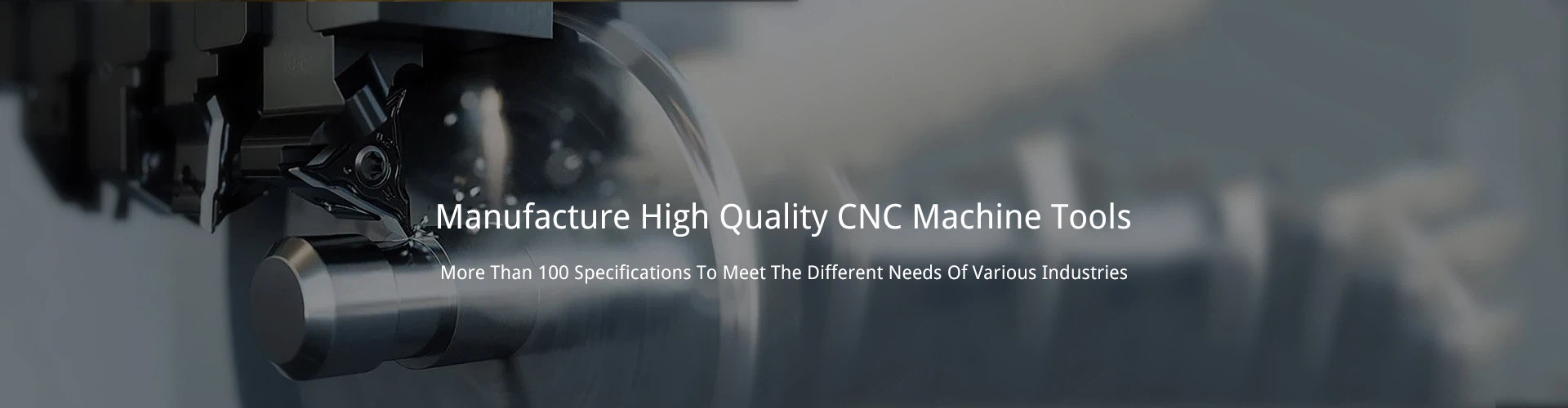
Choosing the right carbide insert is crucial for enhancing machining efficiency and achieving better tool life! Whether you're turning, milling, or drilling, selecting the appropriate insert can save time and money. In this article, we will cover all the important factors you need to consider when selecting carbide inserts, ensuring you make an informed decision for your CNC machining needs.
What Are Carbide Inserts
Carbide inserts are cutting tools used in CNC machining, known for their high hardness, wear resistance, and heat resistance. Made from a composite of tungsten carbide and cobalt, these inserts can handle extreme conditions, making them ideal for high-speed and heavy-duty machining. Unlike traditional High-Speed Steel (HSS), carbide inserts maintain their sharpness for much longer, improving productivity and reducing downtime. Their ability to withstand high temperatures means they can maintain cutting efficiency even in tough applications.

Features of Carbide Inserts
Carbide inserts offer several key features that make them a popular choice in CNC machining:
High Hardness: Carbide inserts are significantly harder than HSS, which allows them to cut through tough materials more efficiently.
Heat Resistance: They can withstand high cutting temperatures without losing hardness, which is ideal for heavy-duty machining.
Wear Resistance: Carbide inserts resist wear and tear from abrasives, ensuring longer tool life and fewer replacements.
Precision: They provide a sharp cutting edge for finer finishes and tighter tolerances.
Applications of Carbide Inserts
Carbide inserts are used in various machining processes:
Turning: For machining cylindrical parts, including roughing and finishing operations.
Milling: Carbide inserts excel at removing material efficiently in face milling, end milling, and slotting operations.
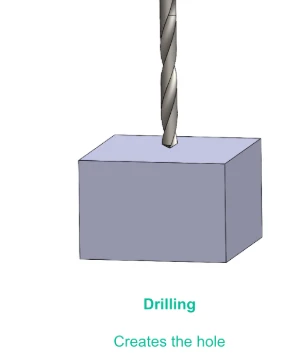
Drilling: Carbide inserts are ideal for drilling holes in hard materials, providing consistent and precise results.
Boring: Carbide inserts can be used in boring applications for fine surface finishes and improved dimensional accuracy.

Importance of Carbide Inserts in CNC Machining
Carbide inserts play a critical role in improving CNC machining efficiency and overall production quality. They allow for:
Increased Cutting Speeds: Carbide inserts can handle higher cutting speeds, reducing machining time and increasing throughput.
Enhanced Surface Finish: The sharpness and stability of carbide inserts result in smoother surface finishes.
Reduced Tool Wear: Their wear resistance ensures that tools last longer, reducing costs and increasing productivity.
Consistency and Reliability: Carbide inserts offer predictable and stable cutting performance, ensuring consistent results across a range of materials.
Key Factors to Consider When Choosing Carbide Inserts
When choosing carbide inserts, several key factors can influence their performance and longevity. Understanding these factors will help you make the right choice for your specific machining needs.
Matching Carbide Inserts to Workpiece Material
Choosing the right carbide insert for your workpiece material is crucial for achieving optimal performance and tool longevity. Each material, whether it's steel, cast iron, aluminum, or titanium, has different properties that impact the cutting process.
|
Workpiece Material |
Recommended Carbide Insert |
Key Features |
|
Steel |
P-grade carbide inserts |
High toughness and heat resistance for precision cuts under high temperatures. |
|
Cast Iron |
TiCN or CVD-coated inserts |
Tough, wear-resistant coatings to handle abrasiveness and extend tool life. |
|
Aluminum |
M-grade carbide inserts |
Sharp edges and low cutting forces to prevent material deformation and ensure smooth finishes. |
|
Titanium |
S-grade carbide inserts |
High heat resistance and robust cutting edges for tough, high-temperature operations. |
Understanding Carbide Insert Geometry and Shape
The geometry of a carbide insert plays a vital role in determining the efficiency and quality of your machining operation. Understanding the different shapes and their applications helps you select the best insert for your specific needs.
|
Insert Shape |
Key Features |
Common Applications |
|
Square Inserts |
Versatile, stable, and can be rotated for extended life. |
Commonly used for turning operations. |
|
Triangle Inserts |
Excellent chip control, ideal for tight spaces. |
Often used for light cutting operations, especially in confined areas. |
|
Round Inserts |
Smooth cutting action, ideal for fine finishes. |
Perfect for finishing applications where surface finish quality is critical. |
|
Diamond Inserts |
Superior cutting-edge stability and wear resistance. |
Ideal for heavy-duty cutting operations that require high durability and stability. |
Carbide Grades and Coatings Explained
Selecting the right carbide grade and coating for your inserts is essential to ensure that they withstand the cutting environment, improving both tool life and machining efficiency.
Carbide Grades: Carbide inserts are classified by grades like P, M, K, S, and H, which are suitable for different materials. For example, P-grade inserts are perfect for general steel machining, while M-grade is more suited for machining stainless steel.
Coatings: Carbide coatings enhance the insert's performance by providing additional resistance to wear, heat, and corrosion. Popular coatings include TiAl, which increases high-temperature stability, and TiCN, which is ideal for cutting abrasive materials like cast iron.
Uncoated Inserts: Sometimes, uncoated carbide inserts are preferable, particularly for light-duty cutting, where heat generation is minimal.
Matching Carbide Inserts to CNC Operations
Choosing the right carbide insert for your CNC operation is crucial to achieving optimal performance and tool longevity. Different machining processes, such as turning, milling, and drilling, have unique requirements, and selecting the right insert ensures smooth operations and high-quality results.
Carbide Inserts for Turning Operations
In turning operations, selecting the right carbide insert depends on whether you're roughing or finishing. For roughing, inserts with high toughness and chip-breaking geometry are essential for handling high material removal rates. For finishing, sharp-edged inserts with low cutting forces are ideal for achieving a smooth surface finish. Additionally, the insert geometry plays a key role in chip flow. Certain shapes improve stability and prevent material buildup, ensuring consistent cuts.
Carbide Inserts for Milling
When selecting carbide inserts for milling, focus on the insert size and geometry to match your material-removal requirements. Inserts with a larger cutting edge radius are ideal for heavy-duty milling operations, while smaller inserts with sharper edges are better for precise finishing. Ensuring that the inserts match your machine's capabilities and the material you're working with will help optimize milling performance and ensure maximum tool life.
Carbide Inserts for Drilling
Carbide inserts excel at drilling high-hardness materials due to their heat and wear resistance. When selecting inserts for drilling, consider the type of hole you're creating. Inserts with strong cutting edges and effective chip removal systems are essential for deep holes and maintaining hole quality. The right insert will help control cutting forces, minimize wear, and ensure precise depth control.
Common Mistakes to Avoid When Choosing Carbide Inserts
Selecting the wrong carbide insert can lead to wasted time, increased costs, and poor machining performance. Here are some common mistakes to avoid when choosing your carbide inserts.
Ignoring Tool Life and Cost
One of the biggest mistakes is focusing solely on the initial cost of carbide inserts, without considering tool life. Opting for cheaper inserts may save money upfront, but can result in more frequent replacements, downtime, and lower-quality finishes. Investing in higher-quality inserts with better wear resistance and longer tool life can improve overall productivity and cost-effectiveness in the long run.
Incorrect Geometry Selection
Choosing the wrong insert geometry for your machining task can negatively affect cutting efficiency, surface finish, and tool life. For example, using a geometry that isn't suited for roughing or finishing can lead to poor chip removal, increased cutting forces, and unnecessary wear. Always ensure that the geometry matches your operations' specific needs to maintain efficiency and quality.
Maximizing Carbide Insert Performance and Longevity
To get the most out of your carbide inserts and ensure they last longer, it's essential to take the right steps in handling, storage, and optimizing your cutting conditions.
Proper Handling and Storage of Carbide Inserts
Improper handling and storage can lead to damage or premature wear of your carbide inserts. Always store inserts in a dry, clean environment to avoid rusting or chipping. Handle them carefully using proper tools, and avoid dropping them to prevent damage to the cutting edges. Keeping inserts in their original packaging or using a designated tool holder will help maintain their integrity.

Optimizing Cutting Parameters for Longevity
To maximize tool life, optimize cutting parameters such as cutting speed, feed rate, and depth of cut. Excessive cutting speed or feed can accelerate tool wear, while too low a setting can reduce efficiency. Find the right balance for your material and operation, ensuring efficient cuts without overstressing the tool.
Conclusion
Choosing the right carbide inserts for your CNC operations is crucial for improving efficiency, tool life, and the quality of your parts. By considering factors like material compatibility, insert geometry, and cutting parameters, you can maximize the performance of your inserts and avoid costly mistakes. For expert advice and a wide range of high-quality carbide inserts, visit GreatCNC Machine today, and let us help you optimize your machining operations!