


Introduction
CNC machines are strong machines that use computers to cut, shape, or carve things like metal, plastic, and wood. They are used in many fields, such as manufacturing, woodworking, and craft projects for fun. These machines can be pricey, but many people and businesses buy them to make precise, high-quality goods.
Many things could make you want to sell your CNC machine. It's possible you're getting a newer model or no longer need it. You may even be shutting down a business and want to sell some of its equipment to get some money back. No matter the reason, selling a CNC machine is not like selling a small tool or gadget. You need to plan to get the best price and find the right buyer.
The most important thing about selling a CNC machine is getting ready. You can make sure your sale goes well with a little work. Getting ready ahead of time can also help you avoid common problems, such as low offers or not understanding what the buyer wants. Here are all the steps you need to take to sell your CNC machine quickly and for a good price.
Understanding the CNC Machine Market
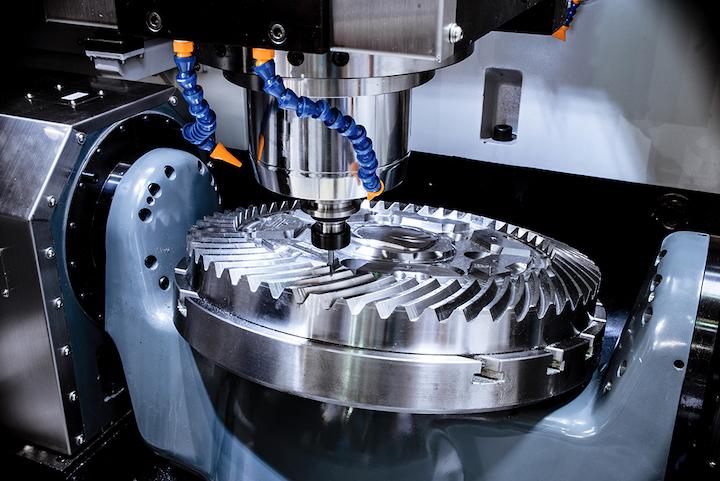
If you know how much CNC machines are sold for, you can set a fair price and find the right buyers. CNC machines come in different types, like routers and lathes, and are used by a wide range of people, from individuals to large businesses. Demand is affected by things like changes in the economy (buyers often look for used machines when the economy is bad) and new technologies since machines with more advanced features can fetch higher prices.
Larger companies may want newer, more accurate models, while small businesses and hobbyists may want cheap models. Knowing these things will help you set prices and market your products in a way that makes the sale go more smoothly and effectively.
Step 1: Evaluate Your CNC Machine's Condition
Before you try to sell your CNC machine, you should first look at it to see how it's doing. When someone sells a used car, they want to know if the car works well. The same is true for this machine. People who buy machines want to be sure that the machine will work well. Here's what to consider when evaluating your machine:
Check for Visible Damage: Look for any indicators of wear or damage, including dents, rust, or worn-out components. Should your machine be heavily used, it may exhibit wear-through characteristics.
See Its Operation: Run the machine to guarantee it is still running without problems. Look for any odd noises and see whether the machine moves as it should. Sometimes buyers are reluctant even from small problems like squeaking or slow motion.
Decide if Repairs Are Needed: Should problems with your machine arise, determine whether to address them before you sell. Fixing a machine might boost its selling price and appeal to purchasers. Repairing anything can be expensive, thus consider the possible cost against the possible advantages. Should repairs be overly costly or difficult, you may decide to sell the machine "as is." When selling "as is," be open about the condition to prevent any buyer misinterpretation.
Estimate the Remaining Lifespan: Consider the probable lifetime of the machine. Given this influences their choice, some purchasers will want to know this. Generally speaking, a machine still in good use will sell for more than one nearing the end of its lifetime.
Understanding the state of your machine will help you to establish a reasonable price and interact with purchasers efficiently.
Step 2: Research the Market
Understanding the present market will help you to obtain the best price for your CNC machine. Understanding the worth of like machines will enable you to establish reasonable pricing. Researching the market follows this process:
Look at Online Listings: Visit internet markets including eBay, Craigslist, and other auction or sales sites that used CNC machines first. To estimate the going rate, search for machines with your brand, model, and age exactly. Record the machine prices under like conditions.
Check Specialized Sites: Websites including Machinery Network, Machine Sales, or Exapro solely target industrial equipment. These websites can let you get an idea of the typical price and frequently feature several CNC machines for sale. Specialized sites may also feature more thorough listings illustrating how features, age, and condition influence prices.
Consider Different Buyers: Various purchasers might have different needs. A hobbyist seeking a machine for personal use, for instance, might not be ready to pay as much as a small business running daily operations demands. Knowing your likely buyers will help you to customize your listing and price appeal to them.
Look at Trends: The price of CNC machines might change depending on market trends. For instance, the demand for older models may decrease should a new CNC machine model be introduced. Keep these in mind while determining your price since buyer budgets can also be influenced by the economic situation.
By means of this research, you can determine a reasonable and competitive price, so enhancing the appeal of your machine to consumers.
Step 3: Gather Important Documents
Selling a CNC machine depends much on having all the required documentation ready. These records give data that increases the dependability and value of your machine. This is what to incorporate:
Maintenance Records: Buyers want to know the background of the machinery. Good maintenance records for the machine indicate that you have maintained its worth. Including those records will help the buyer to have peace of mind if the machine has been routinely serviced.
User Manuals: Add whatever instruction books or manuals the machine came with. Many consumers value these records since they enable them to learn correct machine operation.
Warranty Information: Make sure you include warranty information should the machine still be under warranty. A warranty gives the buyer some security in case of future repairs, so enhancing the value of the sale.
Key Specifications: Jot down salient details including the model number, age, power consumption, and size. Tell us whether the machine has been upgraded or changed; include those specifics too. Specifications enable consumers to ascertain whether the machine satisfies their requirements.
Collecting these records helps buyers see you as a serious seller and builds their faith in purchasing from you.

Step 4: Choose the Right Platform to Sell
Selling your CNC machine from the correct platform is essential since different platforms draw different customers. Some of the best choices are shown here:
General Marketplaces: Broad audiences are made possible by websites like eBay and Facebook Marketplace. For vendors looking for buyers fast, these sites are great. But since they're just general sites, you might get questions from non-serious buyers.
Industrial Equipment Sites: Designed for machinery and industrial equipment, specialized sites including Machine Sales, Exapro, and Machinery Network are Since buyers on these websites are often more CNC machine knowledgeable, your machine might sell faster and at a better price.
Auctions: Certain local businesses and companies hold auctions, especially for used equipment. If you want to sell fast, auctions could be a good option; but, keep in mind that prices vary and you might not get the price you anticipated.
Local Resellers: Some companies specialize in purchasing used CNC machines, restoring them, and then profitably marketing them. Although they usually handle the shipping and logistics, selling to a reseller can be handy as they will want to profit from the resale and may pay a lower price.
Step 5: Write a Compelling Listing
Strong listings help your CNC machine stand out to possible consumers. These guidelines help you create an interesting listing:
Describe the Condition Accurately: Tell them straightforwardly about the state of the machine. Talk about whether it has been used extensively, about any repairs it has undergone, or about any problems it now exhibits.
Highlight Key Features: List key machine characteristics including cutting speed, accuracy, and special capacity. Consumers want to know if the machine could satisfy their needs.
Use Clear Images: Good images are vital. Photograph from several angles, including close-ups of any wear or damage. Show the machine's worktable, cutting head, and control panel.
Add Video (Optional): Add a brief film of the machine in action, optional. This will enable purchasers to better appreciate the machine's capabilities and see that it runs as it should.
Step 6: Negotiate and Close the Deal

Important phases of the selling process are negotiating and closing the deal. Handle this stage as follows:
Be Ready to Negotiate: Negotiating the price will be of most importance to most buyers. Choose the lowest price you would be ready to pay ahead of time to enable confident negotiations.
Answer Buyer Questions Promptly: Respond to consumer inquiries promptly. Clear, fast responses are appreciated by buyers, who also tend to proceed with a purchase depending on your responsiveness.
Secure Payment Methods: Particularly for large transactions, use safe payment methods including bank transfers or escrow services. Unless you're meeting the buyer personally in a secure area, avoid cash payments for high-value items.
Arrange Shipping: If the buyer is not local, go over shipping choices. Larger machines might need particular handling, thus be sure the buyer agrees on shipping charges and responsibilities.
Step 7: After the Sale
Think about keeping in touch with the buyer to address any questions once you sell your machine. This can foster goodwill and might inspire reviews or favorable remarks. Here are some activities you might try:
Offer Basic Support: Be ready to answer questions the buyer has regarding running the machine or doing maintenance.
Ask for a Review or Feedback: Positive reviews increase your credibility as a seller, thus they can help if you intend to sell more equipment going forward.
Conclusion
There are several steps to selling a CNC machine, but if you plan and do what you need to do, the process will go smoothly and make you money. First, look at how good your machine is, learn about the market, and gather important papers. Pick the best platform, make sure your listing is strong, and be ready to negotiate. Lastly, make sure the buyer is happy by giving them good support after the sale. Don't worry about getting a fair price when you sell your CNC machine. Just follow these steps.