


Choosing the right cutting tool is more important than ever! It can save you time and money. The choice will not frustrate you when the project goes wrong. In machining, the debate often comes down to indexable end mill vs fly cutter. Therefore, have a look below so you can pick the best tool for your next project.
What is an Indexable End Mill?
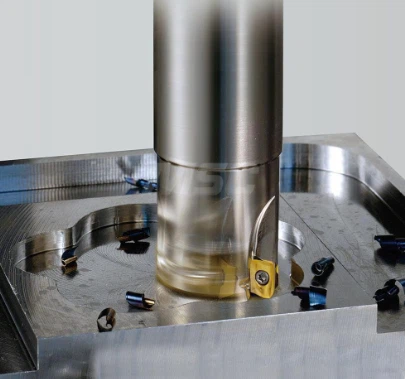
An indexable end mill is a cutting tool for CNC machines. It will hold inserts, so you do not need to sharpen the whole tool. Instead, just swap out the dull part. As a result, it saves time and money. It is commonly used for metal, plastic, and other materials in manufacturing industries.

The Structure of an Indexable End Mill
Creating the Tool Body
The tool body is the main part of an indexable end mill. It holds the inserts in place to handle the cutting pressure. The mill is made from steel or carbide to survive high-speed movements.
Geometry and Shape
Inserts come in different shapes, like square, round, or triangle. In short, each shape is made for a specific cutting task. The inserts are made of hard materials such as tungsten carbide, so they sit in pockets on the tool body.
Mounting Mechanism
Inserts are locked in place using screws. They fit into the pocket to ensure it does not move during cutting. As a result, the cuts are very accurate. The end mill will rotate to replace the fraying edges. You do not need to change the whole tool.
Applications of Indexable End Mills
Roughing Large Surfaces
Indexable end mills are perfect for roughing. They quickly remove lots of material from metal blocks. As a result, it saves time in the finishing steps. The inserts can handle hard materials like steel or cast iron. The tools are essential during the machining work.
Flattening
Face milling creates smooth and flat surfaces. No wonder indexable end mills are great at it. The sharp inserts move across the top layer to remove errors. The process is important in preparing parts for assembly. It also helps meet the size and shape mentioned in the drawings.
Slotting
Slotting is cutting narrow channels into materials. Therefore, indexable end mills are ideal because they offer fast cuts. Grooves are needed in mechanical parts to fit or guide other parts. Using indexable tools makes the process easier.
Cutting on an Angle
Chamfering means cutting an angled edge on a part. It removes sharp corners and makes parts safer to handle. Some inserts are specially needed to meet the chamfering needs. Therefore, indexable end mills do it fast and neatly. Chamfered edges make parts look better. It fits more easily with other components.
Advantages and Disadvantages of Indexable End Mills
| Advantages | Disadvantages |
|---|---|
| Can change inserts without sharpening the tool | Typically costs more than basic cutting tools |
| Cuts steel and titanium with ease | Beginners may struggle to set up the tool correctly |
| Works fast, saving time | Can shake if the setup is unstable |
| Multiple edges last longer during rough work | Not great for cutting flat surfaces |
| Allows more detailed shaping of metal parts | Inserts can wear down quickly with rough metals |
Industrial Applications
Automotive
Car factories use indexable end mills to create blocks for engines or other parts. The inserts last longer while cutting tough metals. They are ideal for mass production because changing inserts is faster than replacing full tools. As a result, the downtime is. The car manufacturing lines run all day smoothly.
Aerospace
Aircraft parts require precision because they use strong metals. Titanium is one of them. Indexable end mills help shape the metals without losing accuracy. The inserts are cut cleanly and handle heat well. Aerospace factories rely on the tools because they are accurate.
Mould and Dyes
Dyes and mold makers use indexable end mills to shape patterns. The tools allow deep cuts with fine finishes. Inserts shaped for curves give flexibility in design. As a result, they are a smart choice for complex molds. You will find them in plastic injection or metal stamping.
What is a flying cutter?
A flying cutter is a simple cutting tool used in milling machines. It has one insert that rotates to remove material from flat surfaces. Therefore, you can choose it to finish work. When comparing an indexable end mill vs fly cutter, the latter has a better surface finish. The lower tool cost is another benefit.

The structure of a flying cutter
Tool Components
A flying cutter includes a tool holder with a single insert on the body. The insert does the cutting as it spins on the machine. The design is very simple to understand. Many beginners prefer it because they do not need to adjust it. At the same time, it offers great control as well.
Wide Cutting Reach
The insert is placed at a distance from the center of the machine. As a result, the setup removes more material with fewer tries. Are you wondering about the indexable end mill vs fly cutter? The latter will win when covering the surface. They are great for wide and shallow cuts on flat surfaces.
Insert Materials
Most flying cutters use carbide or steel inserts. The materials stay sharp and resist wear even at slower speeds. Also, they are easy to replace. As a result, you save time during tool changes. Lastly, flying cutters last longer in basic operations. In other words, they do not need constant maintenance.
Machine Compatibility
The shank of the fly cutter fits into all milling machines. Otherwise, the vibrations will ruin the results. Proper balance is important for smooth finishes, so a simple design means fewer issues. Some shops still choose fly cutters instead of indexable end mills today!
Applications of flying cutters
Finishing the Surface
Flying cutters are often used to clean and smooth metal surfaces. They work best at low speeds to remove thin layers at a time. The feature means the outcome is consistent. You will notice fewer marks after indexable end mill vs fly cutter use.
Removing Material
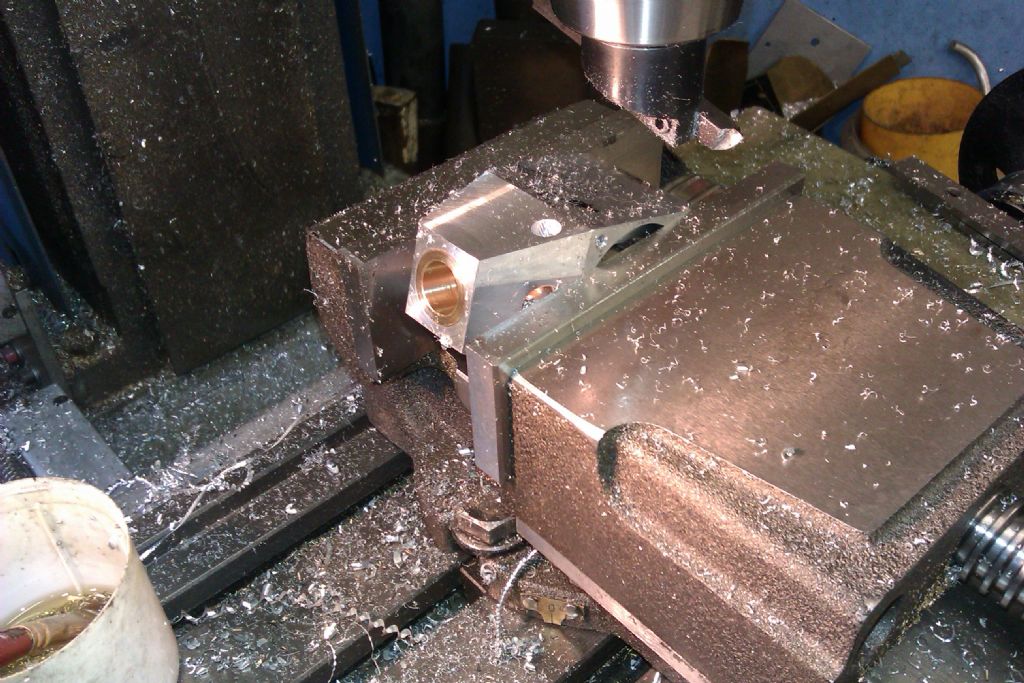
Fly cutters perform best when removing small amounts of material. They are best applied to trimming or flattening aluminum, copper, and other soft metals. A fly cutter has a gentle approach that many professionals use. The finish surprises them each time.
Woodworking
Did you know flying cutters also work on wood? Some use them for trimming wooden panels. They give a clean and level surface because of better control. People still bring up indexable end mill vs fly cutter results in precision when doing projects.
CNC Hobby Use
Hobbyists like flying cutters because they are easy to use. They do not need complex programming. Secondly, the single insert means fewer breakages. It is also affordable for beginners. There is very little chance of injuries compared to the other tools as well.
Advantages and Disadvantages of Fly Cutters
| Advantages | Disadvantages |
|---|---|
| Provides smooth finishes on flat metal surfaces | Removes metal more slowly than an indexable end mill |
| Easy for beginners to learn and use | Not suitable for deep cuts |
| Costs less than an indexable end mill | May bend during strong cuts |
| Simple setup with one edge | Requires sharpening of the edge to maintain performance |
| Can be shaped for special jobs | Struggles with cutting stainless steel or titanium |
Industrial applications
Machine Frames
Industries often use flying cutters to surface large metal plates. They are used in machine frames or base structures. Fly cutters will ensure the correct thickness and perfect flatness to support heavy equipment. The low speed creates a smooth and uniform finish without losing quality. There is no material loss.
Bed Leveling
Flying cutters help in resurfacing large machine beds. As a result, the machines are aligned. The fly cutter removes spots without taking too long. A fly cutter is steady and reliable. In many shops, people still pick it when choosing between an indexable end mill and vs fly cutter.
Face Milling
Tool and die shops often need to flatten blocks quickly. Therefore, a flying cutter helps save time because it covers more surfaces in one go. It's ideal for rough use before detailed cuts. Yes, both tools have value in early-stage work.
Indexable end mill vs fly cutter: The comparison

Cutting Method
The cutting method is the clearest difference between an indexable end mill and vs fly cutter. End mills use multiple inserts for cutting. They are common in milling, pockets, and complex profiles. Fly cutters rely on a single tool for finishing the surface on flat materials.
Surface Finish
The surface finish created by the indexable end mill vs fly cutter varies in smoothness. Fly cutters will get rid of overlapping tool marks. However, end mills have a design with many inserts. It can leave slight marks that may need polishing later.
Tool cost
Let's see indexable end mill vs fly cutter costs side by side. Fly cutters are cheaper to produce because of their simple design. They need less maintenance and occasional sharpening. Indexable end mills are costly because of the numerous inserts. Fly cutters are widely used in the industry because they are affordable.
Cutting Speed
In the debate of cutting speeds between indexable end mills and fly cutters, the latter wins. The former can handle faster cutting speeds. Therefore, they are ideal for tasks that require material removal in a very short time. Fly cutters have lower speeds. These tools are better suited for machining hard or thick materials. They provide superior control and a better surface finish.
Versatility
The indexable end mill vs fly cutter comparison shows that end mills are versatile. They can handle a variety of cuts. You can use them for slotting or creating pockets. Indexable end mills will craft angled surfaces. On the other hand, fly cutters are limited to working on flat surfaces. They are not as diverse for machining tasks.
|
Feature |
Indexable End Mill |
Fly Cutter |
|
Speed |
Cuts faster and deeper |
Slower but smooth |
|
Shape Handling |
Works well on complex shapes |
Best for flat surfaces |
|
Surface Finish |
Decent finish that needs polishing |
Very smooth finish |
|
Cost |
Costs more but lasts longer |
Cheaper to buy and wears faster |
|
Insert Change |
Easy and quick to replace inserts |
Needs tool removal to sharpen again |
|
Material Strength |
Handles hard materials |
May vibrate on strong materials |
When to choose an indexable end mill vs fly cutter?
Cut deeper or faster
Indexable end mills can remove more material quickly. They help when you need faster work or deeper cuts. In the indexable end mill vs fly cutter comparison, the former is for tougher jobs. It requires less effort and better results.
If your part has tricky shapes
Fly cutters are most effective on flat surfaces. If your job has curves or corners, use an end mill. In the debate between indexable end mills and fly cutters, the former is better suited for shaping parts with complex features. They offer a great design that makes the tools durable.
Is surface finish your main goal?
Fly cutters give a smoother finish. End mills still do a good job while working quickly. So, go with end mills when speed matters more than a shiny surface.
Insert changes easily
Indexable end mills use inserts that you can switch fast. It saves time when a tool gets dull. Unfortunately, fly cutters are not helpful if you need lots of cutting and want to stay working.
When your job needs more tool strength
End mills are stronger and hold up better when cutting hard stuff. In contrast, fly cutters may bend. They shake as well. Therefore, pick the end mill when your job needs a steady tool.
Summarize
When comparing an indexable end mill vs a fly cutter, think about your job's needs. End mills cut fast and deep. On the other hand, fly cutters offer smoother finishes. However, both tools are valuable.
Indexable end mills and fly cutters are easy for beginners to use once you understand them. Over time, understanding how they work can make CNC machining more fun. For more information, you can consult a professional to help you make the right choice.