



Most machinists and tool buyers have the same question when choosing drill bits: "Titanium vs Cobalt - which is actually better?" The truth is, both are great options, but they are not designed for the same purpose. Titanium drill bits are usually HSS drill bits with a Titanium Nitride (TiN) coating. They offer smoother cutting, lower friction, and good all-around performance for lighter materials. Cobalt drill bits, on the other hand, contain 5–8% cobalt alloy through the entire material, giving them much higher heat resistance and durability for drilling harder metals.
Understanding the difference matters - because choosing the wrong drill bit can shorten tool lifespan dramatically, increase tool cost per piece, and even damage your workpiece. In this guide, we will explain the exact performance difference, ideal applications, and how to choose the right option for your machining jobs.
What Are Titanium Drill Bits?
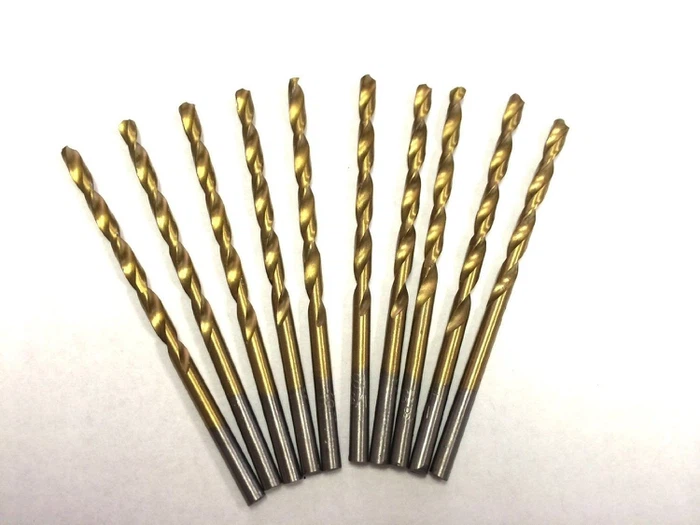
Titanium drill bits are high-speed steel (HSS) drill bits coated with a thin layer of titanium, usually Titanium Nitride (TiN) or Titanium Aluminum Nitride (TiAlN). This coating enhances hardness, reduces friction, and increases heat resistance, allowing the drill bit to cut more smoothly and stay sharper longer than standard HSS bits.
Titanium drill bits are used for drilling through a variety of materials, including soft metals, hard materials like steel and aluminum, and plastics, and are chosen for their improved durability and reduced friction compared to standard bits. They are a popular choice for both DIY and professional projects because they can last longer and drill faster than uncoated bits.
Key Features of Titanium Drill Bits:
Enhanced Durability: The titanium coating increases wear resistance, extending the tool's lifespan for lighter drilling tasks.
Low Friction: The smooth coating reduces heat buildup and prevents material from sticking to the drill bit, which improves cutting efficiency.
Versatile Material Use: Ideal for drilling mild steel, aluminum, wood, plastics, and other soft to medium-hard materials.
Cost-Effective: Titanium drill bits are generally more affordable than solid cobalt drill bits, making them suitable for DIY projects and light industrial use.
What Are Cobalt Drill Bits?
Cobalt drill bits are made from high-speed steel (HSS) alloyed with 5–8% cobalt throughout the entire bit. Unlike titanium drill bits, cobalt bits do not rely on a coating; their superior heat resistance and hardness come from the material itself. This makes them highly durable and ideal for heavy-duty drilling tasks, especially on hard metals.
Key Features of Cobalt Drill Bits:
Extreme Heat Resistance: The cobalt alloy allows the drill bit to maintain hardness at high temperatures, making it suitable for prolonged drilling without overheating.
Superior Hardness: Cobalt drill bits are much harder than standard HSS or titanium-coated bits, enabling them to drill through stainless steel, cast iron, and hardened steel.
Longevity: Designed for industrial use, they have a longer lifespan under continuous heavy-duty drilling.
Versatility for Hard Materials: Excellent for high-strength metals that would quickly dull other drill bits.
Titanium vs Cobalt Drill Bits - Key Differences
| Feature | Titanium Drill Bits | Cobalt Drill Bits |
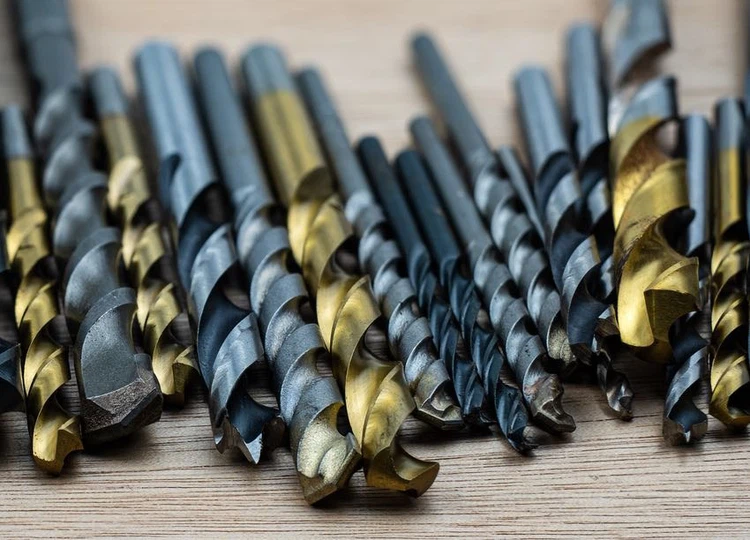
| Material | HSS with TiN or TiAlN coating | Solid HSS with 5–8% cobalt alloy |
| Heat Resistance | Moderate; coating can wear off at high heat | High; maintains hardness even at high temperatures |
| Hardness & Durability | Good for light to medium materials | Superior; ideal for stainless steel, hardened steel, cast iron |
| Cutting Speed & Efficiency | Standard speeds for soft metals | Higher speeds possible without losing sharpness |
| Cost | Lower upfront cost | Higher upfront cost, but better long-term value for heavy use |
| Best Applications | DIY, wood, aluminum, mild steel, plastics | Industrial use, batch production, stainless steel, hardened steel |
| Longevity | Moderate | Long-lasting under heavy-duty conditions |
| Recommendation | Light-duty and occasional drilling | Heavy-duty and continuous drilling |
How to Choose the Right Drill Bit Based on Material
Choosing the correct drill bit depends largely on the material you plan to drill. Using the wrong bit can cause excessive wear, poor performance, or even damage to your workpiece. Here's a simple guide:
1. Light Materials (Wood, Plastics, Aluminum, Mild Steel)
Use Titanium drill bits.
The titanium coating reduces friction and ensures smooth drilling.
Perfect for DIY projects, light fabrication, or occasional use in small workshops.
2. Hard Materials (Stainless Steel, Hardened Steel, Cast Iron)
Use Cobalt drill bits.
Their solid cobalt alloy maintains hardness at high temperatures, preventing dulling.
Ideal for industrial machining, batch production, or continuous drilling.
3. Mixed Material Environments
Keep both titanium and cobalt drill bits on hand.
Use titanium for softer metals to save cost and cobalt for harder metals to ensure durability.
4. Consider Drill Speed and Machine Type
Titanium bits: standard drilling speeds are sufficient.
Cobalt bits: can handle higher speeds but require proper cooling to maximize lifespan.
5. Cost vs. Performance
Titanium: lower cost, suitable for light work.
Cobalt: higher initial investment, better ROI for heavy-duty operations.
Industries & Applications Best Suited for Each Drill Bit
Different industries use different metal types and different machining volumes. That's why titanium and cobalt drill bits are not used in the same environments.
Titanium Drill Bits are best for:
DIY & Home Use – wood drilling, simple aluminum or plastic projects
Small Job Shops – occasional drilling, prototyping work, small batches
Light Industrial Fabrication – aluminum frames, mild steel plates, non-ferrous metals
Construction Work on Site – temporary setups, metal framing, light metal tubing
Titanium bits are used where cost is important and materials are easier to cut.
Cobalt Drill Bits are best for:
CNC Machine Shops – precision drilling on stainless steel components
Automotive & Repair Workshops – hardened bolts, engine components, alloy steels
Industrial Metal Manufacturing – cast iron housings, tooling steel, alloy steel parts
Factory Mass Production – repetitive drilling on tough metals, high-heat environments
Cobalt bits are used where durability, tool life, and heat resistance are critical.
Conclusion
Titanium drill bits and cobalt drill bits are both excellent tools - but they are designed for very different applications. Titanium drill bits offer smooth cutting, lower friction, and great cost-performance for lighter materials like wood, plastic, aluminum, and mild steel. Cobalt drill bits, on the other hand, deliver far superior hardness and heat resistance, making them the best choice for stainless steel, hardened steel, cast iron, and high-volume production work.
In simple terms:
If you drill soft to medium materials → choose Titanium
If you drill hard metals or industrial volumes → choose Cobalt
Selecting the right drill bit not only reduces tool wear - it reduces your tool cost per job, improves efficiency, and protects your workpiece from heat damage.
If you are still unsure which type fits your machining requirement, contact our team. We supply professional cutting tools for CNC machining and industrial manufacturing. Tell us your material and drilling environment - we will recommend the best drill bit for maximum performance and tool life.