


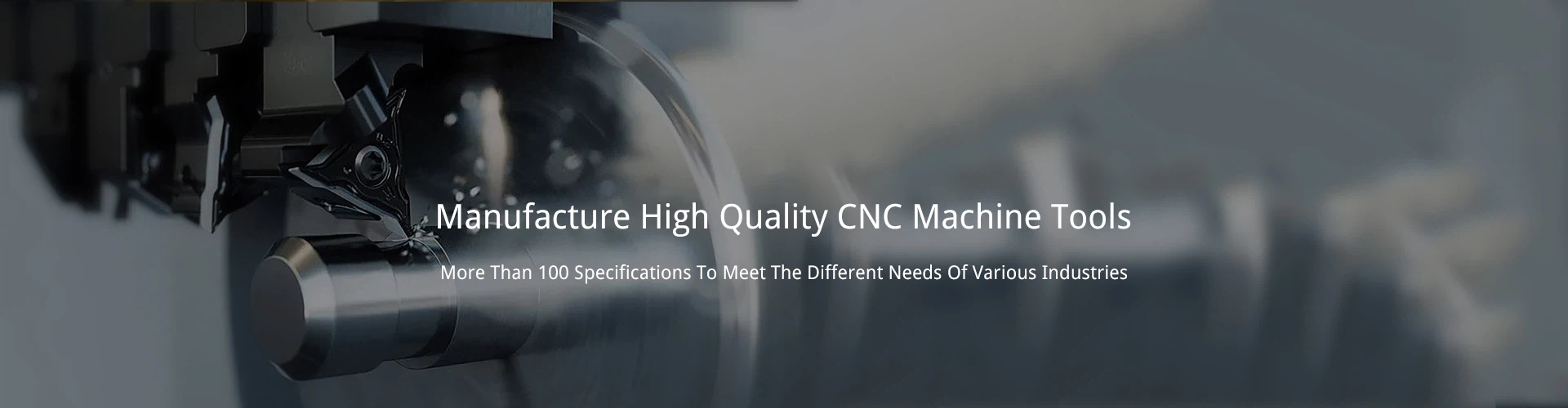
CNC milling machines are key in manufacturing, turning raw stuff into exact parts. These machines cut, shape, and carve materials precisely under computer-directed movements. CNC milling is essential to component quality generation for airplane, automobile, and gadget manufacturing.
So, what does a milling machine do? It makes cutting automatic, giving the same results every time with pinpoint accuracy and less wasted effort. Thanks to better multi-axis milling, robot-like systems, and working with different materials, milling machines now make things much faster. This write-up digs into how they work, why they're great, and where folks use them.
The Basics of CNC Milling
CNC (Computer Numerical Control) milling removes material from a solid chunk using a spinning cutting tool. Unlike old-school milling, where someone runs the machine by hand, CNC machines follow exact computer instructions for spot-on results every time.
The magic of CNC milling comes from automation-computer programs design the part, figure out where to cut, and turn everything into machine language. This kicks out human mistakes and speeds things up. What does a milling machine do? Takes digital blueprints and creates real objects with crazy accuracy.
CNC Milling vs. Traditional Manual Milling
|
Feature |
CNC Milling |
Manual Milling |
|
Operation |
Computer-controlled |
Hand-operated |
|
Accuracy |
High precision (micron-level) |
Depends on the operator's skill |
|
Speed |
Fast and automated |
Slower due to manual adjustments |
|
Complexity |
Handles intricate designs |
Limited to simpler shapes |
|
Repeatability |
Consistently produces identical parts |
Slight variations between the parts |
CNC milling machines offer more advantages than manual production, making them apt for industries requiring high productivity and precision.
Key Components of a CNC Milling Machine
To get what a milling machine does, check out these main parts that make CNC milling happen:
Computer Control System: The brain of the operation, where design software turns blueprints into machine commands.
Spindle & Cutting Tools: The spindle spins fast, moving different cutting tools like end mills, face mills, and drill bits.
Workbed/Table: The flat area where materials are locked down during cutting.
Linear Guideways & Ball Screws: Keep the tool moving exactly right along X, Y, and Z paths.
Coolant System: Stops things from getting too hot by wetting and cooling the cutting spot.
Products like high-speed CNC milling machines from Great CNC Machine pack advanced spindles and tough frames to boost accuracy and speed in cutting jobs.
How Milling Machines Work?
CNC milling machines operate through the computer-aided design (CAD) model created, transforming that model into G-code, which is then readable to machines. The G-code runs the milling machine, indicating how and what movements must be done concerning cutting, shaping, and drilling.
Step-by-Step Process of CNC Milling
Design & Programming: First, folks make a digital design using CAD software. Then, this design is changed into G-code through CAM (Computer-Aided Manufacturing) software.
Material Setup: The material gets firmly placed on the machine bed and clamped tightly so it won't budge during cutting.
Tool Selection: The machine grabs the right cutting tool based on what the program says.
Machining Process: The spindle turns the cutting tool crazy fast, taking away material according to plan. The machine moves in multiple directions (X, Y, and Z) for perfect shaping.
Cooling & Chip Removal: A cooling system keeps things from overheating while conveyors sweep away extra bits for a clean workspace.
Final Inspection: The finished piece gets measured to make sure it's exactly right.
CNC milling machines, like those from Great CNC Machine, use fast spindles and solid frames for better accuracy and quicker work.
Role of G-Code in CNC Milling
G-code is the language that bosses around the milling machine. It includes orders for:
Tool movement (X, Y, Z directions)
Cutting speed & feed rate
Coolant application
Tool changes
Types of CNC Milling Operations
CNC milling machines can do many jobs, making them super useful in manufacturing. Here are the most common milling jobs:
1. Face Milling (Surface Finishing)
Face milling creates a flat surface on materials. The cutting tool moves straight across the surface, giving a smooth, even finish. Shops use this for precision surface preparation all the time.

2. Pocket Milling (Cavity Creation)
Pocket milling digs out material within a defined area, making holes or recessed shapes. This matters big time in mold-making, tool manufacturing, and component assembly.
3. Profile Milling (Contour Cutting)
Profile milling follows the contours of a design, cutting materials into fancy patterns and edges. Factories use this in the aerospace and automotive industries.
4. Drilling, Boring, and Hole-Making
CNC milling machines also handle drilling and boring operations to make super-accurate holes. This step matters when parts need bolts or screws to fit together.
|
Milling Operation |
Purpose |
Common Applications |
|
Face Milling |
Creates smooth surfaces |
Finishing metal and plastic parts |
|
Pocket Milling |
Removes material inside a boundary |
Mold-making, component shaping |
|
Profile Milling |
Cuts along complex shapes |
Aerospace, automotive parts |
|
Drilling & Boring |
Creates holes for assembly |
Machinery, electronics |
5. Thread Milling (Screw Threads & Fasteners)
Thread milling makes internal and external threads work better and more flexibly than old-school tapping.
CNC milling machines from Great CNC Machine offer speedy cutting options that improve all these milling jobs.

Multi-Axis Milling Explained
Old-school milling machines work on three axes (X, Y, and Z), but fancy CNC milling machines can move along four or five axes, letting them make more detailed cuts and designs.
Breakdown of 3-Axis, 4-Axis, and 5-Axis Milling
|
Milling Type |
Description |
Advantages |
Common Applications |
|
3-Axis Milling |
Moves along X, Y, and Z axes |
Simple, cost-effective |
Basic machining, surface milling |
|
4-Axis Milling |
Adds rotation around one axis |
Greater flexibility, better angles |
Cutting cylindrical parts, engraving |
|
5-Axis Milling |
Moves along X, Y, Z + two rotational axes |
Handles complex shapes, reduces setups |
Aerospace, medical implants, automotive |
Advantages of Multi-Axis Machining
Increased Precision: More control over movement results in highly accurate parts.
Faster Production: Fewer setups mean quicker production cycles.
Improved Surface Finish: Smooth transitions between cuts reduce the need for additional finishing.
Complex Geometries: Can create intricate, impossible designs with 3-axis milling.
Examples of Parts Requiring Multi-Axis Capabilities
Multi-axis milling is used to manufacture:
Aerospace turbine blades (smooth, aerodynamic curves)
Medical implants (precise bone-fitting structures)
Automotive engine components (complex internal channels)
High-performance molds (intricate designs for mass production)
Industries Benefiting from Multi-Axis Machining
Multi-axis CNC milling has changed manufacturing across many industries by enabling the production of complicated, super-exact components. Companies needing intricate shapes, tight specs, and efficient cutting processes benefit most from this advanced tech.
Aerospace Industry
The aerospace sector demands lightweight and sturdy components with complex shapes that are good for aerodynamics. Using multi-axis CNC milling, people make stuff like turbine blades and bits of planes and engines, which must be precise and work well when things get tough in the sky.
Medical Industry
With those multi-axis machines, the people making medical gear manufacture special implants, fake limbs, and tools for cutting that only doctors use. CNC milling's role in creating medications ties back to manufacturing specific shapes that fit patients, and they use safe materials for our bodies, like the metals titanium and stainless steel.
Automotive Industry
As far as automobiles are concerned, multi-axis milling becomes vital not only in creating components such as engine parts and pieces of a transmission but also in making custom prototypes. Exact machining ensures peak performance in modern vehicles, especially in electric and high-performance cars.
Tool & Die Industry
Multi-axis CNC milling hugely affects tool and die-making, where molds, dies, and precision tools need exact specs. Such an industry largely depends on CNC milling to manufacture high-end and durable tooling for mass production.
Great CNC Machines provides high-precision CNC milling machines that can accomplish multi-axis machining, which helps a manufacturer achieve outstanding results on complicated machining jobs.
Materials That Can Be Machined
CNC milling machines work with tons of materials, from metals and plastics to wood and fancy composites. Picking the right material depends on what the part needs to do, how tough it needs to be, and the cutting conditions.
Common Metals Used in CNC Milling
Because metals are so strong, last forever, and lend themselves to precision cutting, they have inched into more and more computer-numeric-controlled milling applications.
Aluminum: Light, doesn't rust, and is easy to cut. People have it on planes, cars, and gadgets because it is strong due to its weight.
Steel: Known for being strong and useful for lots of stuff. Factories use it for making machines, tools, and structural parts. However, when cutting, steel needs cooling liquid, or it gets too hot.
Titanium: A super-strong, lightweight metal that handles heat and doesn't corrode. Doctors and plane makers love it for implants and aircraft parts.
Plastics and Composites
Plastics and composites bring benefits as they are lightweight, do not rust, and do not conduct electricity.
ABS: An extremely tough plastic that will not shatter on impact. It is widely utilized for consumer goods, automotive components, and protective cases.
POM (Delrin): A slippery, stiff plastic perfect for gears, bearings, and moving parts that must work just right.
Carbon Fiber Composites: Super strong and light, these materials appear in planes, sports gear, and high-performance stuff where every ounce matters.
Wood and Soft Materials
Milling CNC also cuts wood, foam, and composites to furnish, make prototypes, and display signs.
Hardwoods (oak, maple, walnut): Particularly good for fine furniture, decorative panels, and intricate woodcraft.
Softwoods (pine, cedar): More easily cut; generally used for construction, carving, and trim work.
Foam Boards: Lightweight; very easy to slice through. Perfect for use in prototypes, models, and signage.
Each material needs specific cutting speeds, tools, and techniques for the best results. CNC milling machines from Great CNC Machine handle all these materials like a champ, giving top-notch results across different industries.
Industries and Applications
CNC milling machines matter big in many industries, helping manufacturers make complex parts consistently and efficiently. From planes to phones, these machines nail high-precision jobs.
Aerospace Component Manufacturing
The airplane industry needs high-performance parts with super-tight measurements. Aircraft engine parts, turbine blades, gear landing parts, and structural parts are manufactured through CNC milling. Multi-axis milling allows the workshops to produce aerodynamic shapes that help planes fly better and burn less fuel.
Automotive Parts Production
CNC milling in the automobile industry produces engine blocks, parts of the transmission system, brake components, and suspension system parts. Almost any material, including lightweight aluminum, strong steel and composite materials, can make vehicles as light, tough, and efficient as possible.
Medical Device Creation
Medical companies use CNC milling to produce implants, surgical tools, and artificial limbs. Titanium and stainless steel components, like hip implants and bone screws, need crazy precision to keep patients safe and comfortable.
Consumer Electronics
CNC milling is used to manufacture parts in smartphones, laptops, and wearables, such as aluminum casings, heat sinks, and connectors. The accuracy of CNC milling gives electronic devices sleek looks and reliable function.
Tooling and Mold Making
Molds and dies used in injection molding and metal forming need incredible precision. CNC milling creates these tools with tiny details, ensuring consistent plastic manufacturing and metal casting production.
Prototyping Applications
CNC milling rocks for rapid prototyping letting engineers create and test parts quickly. This matters most in industries that need to improve designs over and over before mass production.
Great CNC Machine provides milling machines that handle all these jobs, delivering top-quality production every time.
Advantages of CNC Milling
The good stuff that comes with CNC milling compared to old-school machining methods goes on and on.
Precision and Repeatability
With crazy accuracy, CNC milling machines make parts that fit just right, ensuring everything matches even when making thousands of pieces.
Efficiency and Productivity
Robot-like milling machines cut stuff super-fast, saving loads of time. With multi-axis abilities, shops can make complicated cuts all at once, making the whole process flow better.
Reduction in Human Error
The cutting instructions get programmed into CNC machines ahead of time, cutting down on human mistakes. This means fewer messed-up parts and less wasted material.
Complex Geometry Capabilities
Multi-axis milling lets folks create wild designs that hand machining could never pull off. This helps in industries like aerospace, medical, and automotive.
Cost-Effectiveness
Even though buying the machine costs big bucks upfront, CNC milling pays off over time through savings on workers, wasted materials, and production screw-ups.

Limitations and Challenges
Despite all the incredible benefits, CNC milling comes with some headaches that manufacturers must consider.
Initial Investment Costs
CNC milling machines cost an arm and leg to get started. The price tag for high-precision gear, software, and training can scare off small shops.
Programming Complexity
Operators need to get their heads around CAD/CAM software and G-code programming to squeeze every drop of potential from the machine. While the machine does most of the work, smart techs still need to handle programming and setup.
Maintenance Requirements
Regular tune-ups keep CNC machines running right. Oiling, swapping tools, and fine-tuning measurements are necessary to stop wear and keep accuracy on point.
Material Wastage
While CNC milling cuts precisely, some material remains in the trash, especially when making complicated shapes. Smart cutting paths and better raw materials help cut down on this waste.
Conclusion
CNC milling machines have revolutionized manufacturing by providing precision, efficiency, and flexibility for aerospace, automotive, and medical devices.
So, what does a milling machine do? It carves materials accurately, making both one-off prototypes and mass production possible. Despite hurdles like high costs and tricky programming, the perks, like less waste and better output, make CNC milling worth every penny.
With better automation and multi-axis machining, CNC technology keeps pushing boundaries. Top-quality machines from Great CNC Machine help manufacturers nail excellent results, making CNC milling a big deal in modern production.