


Manufacturers face challenges when existing holes in components need to be enlarged with high precision. This is critical in industries requiring exact measurements and smooth surface finishes. Boring machining offers a solution by enlarging drilled or cast holes to precise dimensions.
Boring machining dates back to the 18th century, when it was first used to make steam engine cylinders. It evolved significantly through industrial advancements, such as the invention of jig borers during World War I and later the integration of CNC technology.
Today, boring machining plays an essential role in manufacturing. It ensures accuracy and smooth surface finishes, making it a vital process for producing components across the automotive, aerospace, and watchmaking industries. This method also reduces alignment errors and rectifies defects in pre-formed holes.
Overview of the Boring Machining Process
Boring machining is used to enlarge and refine holes pre-drilled or cast into a material. The goal is to achieve precise dimensions and surface finishes required by various industries. The process begins with initial hole creation, typically through drilling or casting. This creates a rough hole that will later be refined.
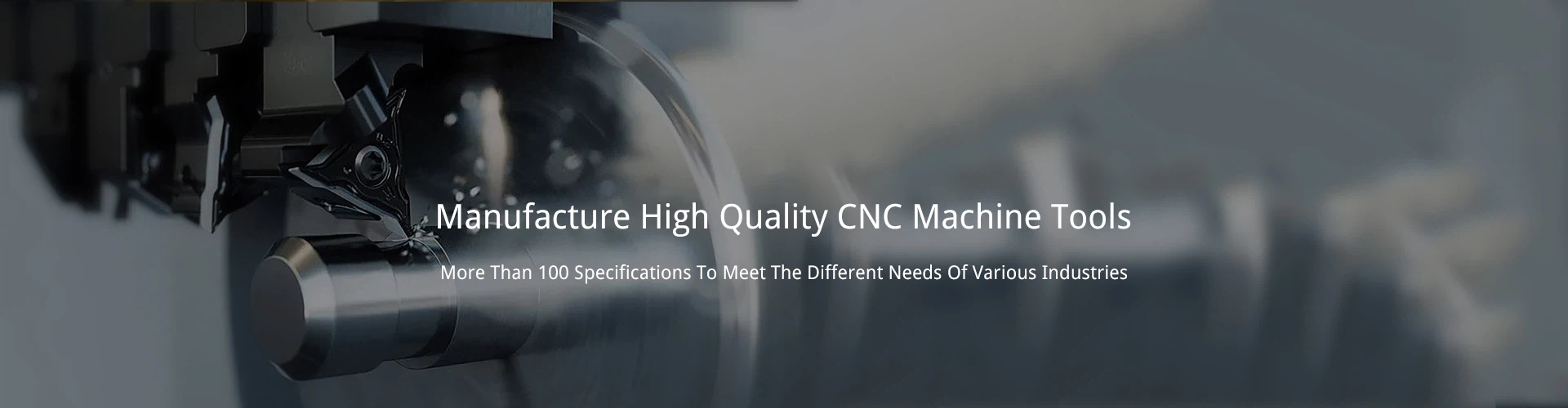
The cutting mechanism involves a tool called a boring bar equipped with a cutting insert. This tool is inserted into the existing hole, and as the machine rotates (in a lathe or mill), the boring bar cuts into the material, gradually enlarging the hole. This process may require several passes, especially when precision and surface finish are critical. Each pass removes a small amount of material to ensure accuracy and avoid errors like tool chatter or misalignment.
How Does Boring Machining Work?

Boring machining is a precise method for enlarging pre-formed holes, ensuring high accuracy and smooth surface finishes. The process can be performed using different machines, such as lathes and milling machines, each offering specific benefits.
Lathe vs. Milling Machine
In a lathe, the workpiece rotates while the boring tool remains stationary. This method is typically used for cylindrical workpieces and ensures even material removal. In contrast, a milling machine holds the workpiece stationary while the boring tool rotates. Milling machines are more versatile, allowing horizontal and vertical boring, making them suitable for large or irregular-shaped workpieces.
Boring Bar and Cutting Insert
A boring bar, fitted with a cutting insert, is essential in the boring process. The boring bar extends into the hole, and the cutting insert, made from materials like carbide or ceramic, removes small amounts of material from the hole's inner surface. The choice of insert depends on factors such as the material of the workpiece and the required surface finish.
Multiple Passes
Boring often requires multiple passes to achieve the desired hole size and finish. Each pass removes a small layer of material, ensuring precision. Performing multiple passes helps avoid tool stress and ensures the hole is correctly aligned and free from defects like chatter or vibration marks.
Types of Boring Machining
Boring machining offers several methods to enlarge and refine workpiece holes, depending on the size and accuracy required. The most common types are horizontal boring, vertical boring, and precision boring, each with its setup and specific applications.
Horizontal Boring
Horizontal boring is a popular method used for large workpieces and long holes. It is typically performed using lathes or horizontal milling machines, where the boring bar moves parallel to the axis of the workpiece. In a lathe setup, the workpiece rotates while the boring tool remains fixed, cutting material along the inner surface of the hole. This method ensures even and consistent material removal, making it ideal for cylindrical parts like pipes, gears, or engine blocks.
For larger workpieces or irregular shapes, horizontal boring is often done on a horizontal milling machine. In this setup, the workpiece is stationary on the milling table while the boring tool rotates and cuts horizontally. This approach offers more flexibility in terms of hole size and placement. Horizontal boring is widely used in industries where large, precise holes are needed, such as automotive and aerospace manufacturing.

Vertical Boring
In vertical boring, the boring bar moves perpendicular to the floor. This process is carried out on vertical milling machines or drill presses. The workpiece remains stationary, typically clamped to the machine's table, while the boring tool rotates vertically to enlarge the hole. Vertical boring is commonly used for heavy workpieces or components requiring large-diameter holes, such as valves, cylinder blocks, and machine housings.
The vertical boring method is efficient when working with heavy parts because gravity stabilizes the workpiece. This method also reduces the risk of workpiece deformation, which can occur with horizontal setups. Vertical boring machines can handle large, high-precision holes, often up to 24 inches in diameter, making them suitable for larger industrial components.
Precision Boring
Precision boring is used when extreme accuracy is required for smaller parts. This method is performed on specialized boring machines designed to handle delicate components, ensuring high accuracy and superior surface finishes. Precision boring machines are smaller and more specialized than traditional lathes or mills, making them perfect for watchmaking, medical device production, or other fine mechanical components.
Precision boring typically involves using a watchmaker's lathe or other high-precision machines. These machines can bore tiny holes, often with micron tolerances, to meet the stringent requirements of industries like aerospace and electronics. The process may also involve multiple passes, where only a minute amount of material is removed with each pass to avoid errors and ensure smooth, accurate finishes.
|
Type of Boring |
Machines Used |
Applications |
|
Horizontal Boring |
Lathe, Horizontal Milling |
Long workpieces, cylinder blocks, automotive parts |
|
Vertical Boring |
Vertical Milling, Drill Press |
Large-diameter holes, heavy workpieces |
|
Precision Boring |
Precision Boring Machines |
Watchmaking, small components, high-accuracy parts |
Boring Machining Equipment and Tools
Boring Bar
The boring bar is a crucial tool in the boring machining process. It is a long cylindrical tool that extends into the hole to enlarge it. The boring bar holds the cutting insert at its tip and moves through the hole to remove material from its interior surface. The stability and strength of the boring bar are critical to ensuring precision and accuracy, especially when machining deep holes. The length of the boring bar must be properly selected to avoid deflection during operation.
Cutting Inserts
Cutting inserts are attached to the boring bar, and the cutting operation is performed directly. These inserts are made from carbide, ceramic, or cermet materials, chosen based on the machined material and the desired surface finish. Carbide inserts are commonly used for their durability and ability to cut at higher speeds, while ceramic inserts are ideal for high-temperature operations. The cutting insert slices into the workpiece's interior surface, gradually enlarging the hole to the required size.
Machines Used in Boring
Various machines are used for boring operations, each suited to different applications. CNC milling machines and lathes are commonly employed in general boring tasks, offering high precision and flexibility. CNC milling machines can perform horizontal and vertical boring, making them ideal for different workpiece geometries. Precision boring machines, designed for smaller, highly accurate parts, are used in industries such as watchmaking and aerospace. These machines ensure the highest levels of accuracy and surface finish, which is crucial for manufacturing intricate components.
Parameters and Considerations in Boring Machining
Cutting Speed and Feed Rate
Cutting speed, typically around 100 m/min, is critical in boring machining to maintain hole quality.
If the speed is too high, it can cause chatter and vibration, leading to uneven surfaces.
Low speeds can result in inefficient cutting and tool wear. Balancing the cutting speed ensures smooth and precise results.
The feed rate must be adjusted according to the material and the desired surface finish.
Cut Depth
Shallow cuts are necessary to prevent tool deflection and ensure stability.
Managing the depth of the cut prevents tool stress, which can result in poor surface integrity.
Deeper cuts increase the risk of tool chatter and reduce machining accuracy, so multiple shallow passes are preferred.
Surface Finish
The cutting tool material (carbide, ceramic, etc.), geometry, and cutting speed influence the surface finish.
Carbide inserts are ideal for achieving smooth finishes, while ceramic inserts handle higher temperatures effectively.
Controlling speed and feed rate during machining ensures the surface remains free of marks or imperfections.
Proper alignment of the boring bar also helps achieve better surface finishes and overall precision.
Boring Machining Equipment, Tools, and Parameters
|
Tool/Parameter |
Description |
Role/Importance |
|
Boring Bar |
A long cylindrical tool holding the cutting insert |
Enlarges existing holes with precision |
|
Cutting Insert |
Made from materials like carbide or ceramic |
Removes material from the workpiece |
|
CNC Milling Machine |
Automated machine with horizontal/vertical capabilities |
Used for horizontal and vertical boring applications |
|
Lathe |
Rotates the workpiece while the tool remains stationary |
Ideal for cylindrical parts and horizontal boring |
|
Precision Boring Machine |
Specialized for small, high-accuracy components |
Used for extreme precision tasks, such as watchmaking |
|
Cutting Speed |
Typically around 100 m/min |
Controls vibration and surface quality during boring |
|
Feed Rate |
Adjustable based on material and machine |
Impacts surface finish and efficiency |
|
Depth of Cut |
Shallow, progressive cuts |
Ensures stability and prevents tool stress |
|
Surface Finish |
Affected by tool material and geometry |
Critical for applications requiring smooth inner surfaces |
Common Applications of Boring Machining
Boring machining is widely used across various industries for its precision and ability to modify existing holes accurately. From manufacturing precision components to watchmaking, boring plays a crucial role in delivering the desired results.
Manufacturing of Precision Components
Precision is essential in industries like medical devices and electronics. Boring machining creates small, highly accurate components like valves, connectors, and fittings. These parts must meet exact dimensional tolerances and surface finishes, which boring machining achieves through its controlled cutting process. Manufacturers ensure that components fit together perfectly by employing specialized boring machines, reducing the risk of failure in critical applications.
Enlarging Existing Holes
One of the main uses of boring machining is to enlarge existing holes. After a hole has been drilled or cast, boring increases its diameter and achieves a smooth, precise finish. This process is vital when the initial hole is too small or a precise internal diameter is required for parts like bearings or shafts. Boring allows for better control over the final size and ensures that the hole meets strict dimensional tolerances.
Straightening and Aligning Holes
Boring machining is also used to straighten and align holes, especially when drilled unevenly or misaligned during previous operations. By passing a boring bar through the hole, manufacturers can correct alignment issues and ensure that the hole runs parallel or perpendicular to a specific reference point. This is critical in industries like automotive and aerospace, where misaligned holes can lead to assembly problems or structural weaknesses.
Countersinking and Other Secondary Processes
Boring can be used for secondary processes such as countersinking. In this case, the boring tool enlarges the top portion of the hole to create a tapered section, allowing for screws or bolts to sit flush with the surface. This is common in metalworking and construction, where fasteners must not protrude from the surface. Boring machines can also be used for reaming and tapping, further enhancing the functionality of the holes created.
Cylinder Block Boring
In automotive manufacturing, boring machining is essential for cylinder block boring, where engine cylinders are bored to precise specifications to ensure optimal performance. The boring process ensures that the cylinder bore is perfectly aligned and has a smooth surface, which is critical for the proper functioning of the pistons. The precision achieved in boring directly affects the engine's efficiency and longevity.
Aerospace Component Manufacturing
The aerospace industry relies heavily on boring machining to produce high-precision components that withstand extreme conditions. From landing gear parts to engine housings, boring machining ensures that components meet the tight tolerances required for safe and reliable operation. Producing holes with exact dimensions and surface finishes is vital to prevent fatigue and stress-related failures in aircraft components.
Gearbox Manufacturing
Boring is a key process in gearbox manufacturing. Gearboxes require precision alignment and smooth surfaces to function correctly, as any misalignment can cause increased wear or mechanical failure. Boring ensures that the gear shafts and housings are properly aligned and that the internal surfaces are smooth, reducing friction and wear over time.
Watchmaking
In watchmaking, boring machining creates tiny, precise holes required for the intricate components of timepieces. Watchmakers use precision boring machines to bore the holes for gears, shafts, and other moving parts. The precision required in this industry is extremely high, with tolerances often measured in microns. Boring ensures that the components fit together seamlessly, ensuring the smooth and accurate operation of the watch.

Advantages of Boring Machining
High Precision and Accuracy
Boring machining is known for its ability to achieve high precision and accuracy. This process allows for extremely tight tolerances, making it ideal for industries that require exact hole dimensions. By controlling parameters like cutting speed and depth of cut, boring ensures the hole's center remains aligned, resulting in accurate hole sizes and positions.
Flexibility in Hole Sizes
One of the key advantages of boring is its flexibility in hole sizes. Depending on the size of the cutting insert and the machine setup, a single boring tool can enlarge a wide range of hole diameters. This makes it a versatile solution for various applications, whether increasing the diameter of a small hole or creating a large, precise hole in heavy workpieces.
Better Surface Finish
Boring machining also offers a better surface finish than other machining processes. Using high-quality cutting inserts and the multiple-pass method ensures the hole's inner surface is smooth and defects-free. This smoothness is crucial in applications like cylinder blocks or bearings, where surface quality directly impacts performance and longevity.
Modern Advancements in Boring Machining
CNC Technology
The introduction of CNC technology has revolutionized boring machining, making the process more efficient and precise. Computer Numerical Control (CNC) systems allow automated control of the boring process, enabling operators to achieve consistent results with minimal manual input. CNC technology also reduces human error and increases production speed, making it an essential advancement in modern machining.
Jig Boring
Jig boring is another significant advancement that enhances the precision of hole placement and alignment. It involves using a specialized boring machine to create accurate holes with exact positions. Jig boring machines are typically used in toolmaking and die-making industries, where high precision is critical. This technology ensures that holes are positioned accurately to the nearest micron.
Conclusion
Boring machining is crucial in modern manufacturing by providing high precision, flexibility in hole sizes, and improved surface finishes. It is widely used in automotive and aerospace industries for its ability to create exact, smooth holes. With the advent of CNC technology, jig boring, and automation, boring machining has become more efficient and reliable, meeting the increasing demands of modern production. These advancements ensure that boring remains a key process in manufacturing components that require tight tolerances and superior quality, making it essential for maintaining high standards in today's industries.