


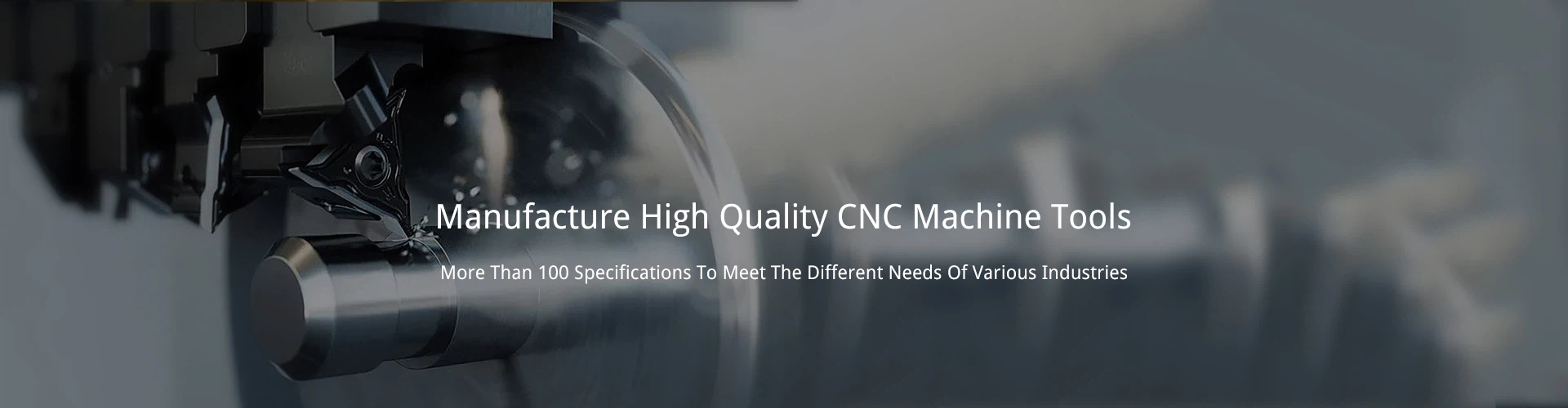
Milling and engraving are two common CNC machining processes, but they serve very different purposes in manufacturing.
While both involve material removal, they differ significantly in cutting depth, tool size, and application.
Many manufacturers are unsure when to use milling and when engraving is the better choice. Understanding these differences is essential for achieving the desired surface quality, precision, and production efficiency.
CNC Milling
Different Types of CNC Milling Machines
Horizontal Machining Centers (HMC): With sideways spindles, these handle weightier materials while chips fall away naturally. The design enables efficient cutting across multiple sides.
Vertical Machining Centers (VMC): Spindles that point downward make these machines ideal for face milling, end milling and drilling tasks. Workshops choose these for adaptability and rapid setup.
5-Axis Machining Centers: These sophisticated units move cutting bits along five paths simultaneously, achieving remarkable detail when fashioning intricate shapes.
Common Applications
CNC milling creates parts demanding flawless accuracy batch after batch, thriving in sectors where such standards cannot waver, such as aerospace, defense, etc. Examples include:
Automotive Parts: Engine blocks, transmission cases, and brake components.
Aerospace Components: Frame sections, turbine elements, and landing equipment.
Industrial Equipment: Machine components, casting molds, and holding fixtures.
Knowing milling basics helps clarify its manufacturing role and distinguish it from engraving processes.
CNC Engraving
CNC engraving creates patterns on surfaces using computerized tools. This method adds designs to textiles, clothing and other goods. Many businesses use this method to decorate products with attractive patterns or add labels. The technique works great for both art and product marking.
Engraving started in ancient China, where craftspeople did everything by hand. Modern CNC technology transformed this old craft into something fast and exact. Today's machines copy complex designs perfectly across many items.
Types of CNC Engraving Machines
Laser Engravers: These machines burn designs using hot light beams. The focused laser vaporizes wood, acrylic, and some metals, creating precise patterns that last for years. Many customers treasure these lasting memories engraved into special items.
Rotary Engravers: These use spinning bits that cut away material. The physical removal works well on metals, plastics, and glass surfaces.
Common Applications
CNC engraving shows up in:
Jewelry Design: Jewelry design requires precise patterns on rings, pendants, and bracelets that include unique personal elements.
Signage: Creating sharp, clear signs for shops, events, and information displays.
Decorative Items: Adding visual appeal to awards, plaques, and gifts. These decorative elements enhance products and delight people who receive them.
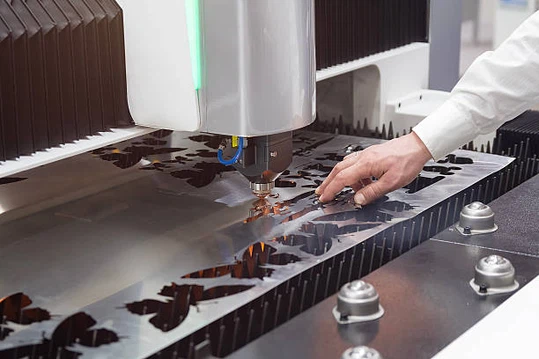
Technical Differences Between CNC Milling and Engraving
The difference between milling and engraving lies in their purpose and machining characteristics.
Milling is designed for removing large amounts of material and shaping parts, while engraving focuses on surface detailing and precision finishing.
Milling typically uses larger cutting tools and deeper cuts, whereas engraving uses smaller tools and shallow cutting depth.
In terms of application, milling is used to create the main structure of a part, while engraving is used to add fine details and surface features.
CNC Milling vs. CNC Engraving
A side-by-side technical comparison helps distinguish the differences between milling and engraving:
|
Technical Aspect |
CNC Milling |
CNC Engraving |
|
Cutting Depth |
Deep cutting, removing substantial material to shape parts. |
Shallow cuts focused on fine detailing and surface texturing. |
|
Tooling |
Uses larger-diameter tools (e.g., end mills, ball nose cutters) for heavy material removal. |
Uses fine-pointed tools or laser beams for precision engraving. |
|
Spindle Speed |
Operates at lower speeds with high torque to handle heavy cutting loads. |
Runs at higher spindle speeds to achieve intricate detailing. |
|
Machine Rigidity |
Heavy, rigid construction to withstand strong cutting forces. |
It is a lighter build, designed for precision and minimal vibration. |
|
Material Removal Rate |
High material removal rate, suitable for shaping and machining parts. |
Low material removal rate, primarily for decorative and marking purposes. |
|
Material Compatibility |
It works well with metals, plastics, and composites. |
It is best for softer wood, acrylic, and thin metal coatings. |
|
Main Applications |
Automotive, aerospace, industrial machinery. |
Jewelry design, signage, customized engravings, decorative art. |
Overlapping Capabilities and Hybrid Machines
Milling and engraving overlap in various ways despite being viewed as separate processes. Modern hybrid CNC machines now handle both tasks with extreme accuracy. Understanding the difference between milling and engraving helps shops pick better equipment.
1. How Milling and Engraving Overlap
These processes share several key features despite their unique purposes:
Both use computer-controlled movement systems for exact cuts and details.
Both work on similar stuff - metals, plastics, composites.
Both need fast-spinning components, though engraving typically needs smaller tools.
Many milling machines include engraving functions, letting operators add logos, numbers, or designs to parts without switching equipment.
2. What Are Hybrid CNC Machines?
Hybrid machines benefit from both worlds - deep cutting ability for milling work and delicate detail capability for engraving. These machines excel in fields needing both strength and looks, such as:
Automotive and Aerospace: Structural shaping plus branded markings or part identifiers
Jewelry and Watchmaking: Precise metal cutting alongside detailed decorative work
Signage and Decorative Design: Material removal with intricate pattern creation across various materials
The available selection of hybrid CNC equipment provides versatility for operations requiring robust milling alongside detailed engraving abilities.
|
Feature |
CNC Milling |
CNC Engraving |
Hybrid CNC Machine |
|
Primary Function |
Deep cutting, shaping, and material removal. |
Fine detailing, surface etching, and text engraving. |
Combines milling and engraving in one system. |
|
Tooling |
Uses larger cutting tools like end mills. |
Uses fine-tipped rotary tools or laser modules. |
Interchangeable tools for both milling and engraving. |
|
Precision Level |
High precision for mechanical parts. |
Extreme precision for intricate designs. |
Adjustable precision based on function. |
|
Material Compatibility |
Metals, plastics, composites. |
Softer metals, wood, acrylic, coated surfaces. |
Supports a wide range of materials. |
|
Application Scope |
Industrial components, structural machining. |
Decorative engraving, text, and artistic designs. |
It is ideal for businesses needing both functionalities. |
3. Why Choose a Hybrid CNC Machine?
A hybrid CNC machine delivers cost savings and efficiency for operations needing both milling and engraving capabilities.
Hybrid systems allow stores to eliminate two separate machines by consolidating both into a single package:
Reduce production time by centralizing both processes on one platform.
Reduce expenses by consolidating purchases into one and automate tool changes for improved workflow.
Great CNC Machine offers state-of-the-art milling, engraving, and hybrid CNC systems to address various industrial needs. These machines provide precision and adaptability in projects requiring deep cutting surfaces.
Factors to Consider When Choosing Between Milling and Engraving
Before choosing between milling and engraving, workshops need to consider several essential factors when comparing these methods of production: material type used, design complexity and size/quantity requirements, as well as budgetary concerns. Knowing their respective differences allows workshops to choose one best suited to their projects.
1. Level of Detail and Precision
Design complexity is pivotal when selecting whether milling or engraving will best meet your needs.
Milling allows for the production of larger, more intricate parts with deep cutting capabilities for deeper shaping - assuring they meet measurements precisely and are sturdy in construction.
Engraving is ideal for intricate patterns, logos and text. It specializes in shallow markings with extremely fine detail.
For projects featuring tiny details or surface designs that need engraving, milling offers better solutions if complete functional parts are required.
2. Production Speed and Efficiency
Time factors heavily influence CNC process selection.
CNC milling operations typically run slower because they remove significant material and need multiple tool changes. However, these operations produce functional parts usable in industrial settings.
CNC engraving moves faster for surface-level designs but doesn't significantly change the workpiece shape.
For mass production, milling offers greater efficiency, while engraving suits customization and branding tasks better.
3. Cost Considerations
CNC operation expenses vary based on tooling, machining time, and material usage.
Milling machines need heavier tools, more power, and stronger machine structures, resulting in higher operating costs.
Engraving machines cost less for marking and decorative work but can't handle large-scale material removal.
When investing in CNC equipment, balancing upfront costs against long-term benefits matters. Great CNC Machine stocks milling and engraving systems at various price points.
|
Factor |
CNC Milling |
CNC Engraving |
|
Best for Material |
Metals (steel, aluminum, titanium), plastics, composites. |
Softer materials (wood, acrylic, brass), some coated metals. |
|
Precision & Detail |
It is ideal for deep cuts, shaping, and structural integrity. |
Best for fine details, logos, patterns, and surface text. |
|
Speed & Efficiency |
It is slower, as it removes significant material. |
It is faster, as it only etches the surface. |
|
Production Volume |
Suitable for mass production of industrial parts. |
Best for custom designs and decorative applications. |
|
Cost & Investment |
Higher cost due to tool wear, power consumption, and machine strength. |
Lower operational costs, but limited to engraving applications. |
CNC Milling and Engraving Applications in Different Industries
CNC milling and engraving have become essential tools in numerous industries, with their respective advantages providing various applications with distinct benefits. Understanding what sets milling and engraving apart allows businesses to choose equipment suited to their requirements more easily.
Industrial Applications of CNC Milling
CNC milling is widely used in manufacturing environments where precision and strength matter most. Industries heavily relying on milling include:
Aerospace: Cutting aircraft components requiring extreme accuracy and toughness
Automotive: Fabricating engine parts, gear mechanisms, and chassis components
Medical Equipment: Creating surgical instruments, artificial limbs, and medical implants
Construction and Heavy Machinery: Making machine frames, tools, and large metal components
Milling systems excel at removing substantial material and producing parts with exceptional structural integrity.
Common Uses of CNC Engraving

Engraving focuses instead on delicate detailing and surface marking. Industries benefiting from engraving include:
Jewelry and Luxury Goods: Adding complex designs on gold, silver, and precious metals
Electronics: Applying serial numbers, brand logos, and circuit board markings
Signage and Advertising: Developing custom acrylic, metal, or wooden signs
Aerospace and Defense: Marking identification details and serial numbers on parts
CNC engraving delivers precision in customization, making it popular for branding and decorative elements.
|
Industry |
CNC Milling Applications |
CNC Engraving Applications |
|
Automotive |
Engine blocks, gear housings, chassis components |
Branding on parts, VIN engraving |
|
Aerospace |
Structural parts, landing gear, turbine blades |
Serial numbers, aircraft component marking |
|
Medical Equipment |
Surgical tools, orthopedic implants |
Custom engraving on medical devices |
|
Jewelry |
Metal shaping, precision cutting |
Engraving logos, patterns, and serial numbers |
|
Electronics |
Circuit boards, casings |
Marking barcodes, serial numbers |
|
Signage & Advertising |
Frame and letter cutting |
Custom logos, detailed sign engravings |
FAQs
What is the difference between milling and engraving?
Milling removes significant material from workpieces to shape and create parts, while engraving focuses on surface-level etching for designs, text, or patterns. Milling creates structural components, whereas engraving produces branding, decorations, and markings.
Can a CNC milling machine be used for engraving?
Many CNC milling machines perform engraving tasks with appropriate tools and settings. However, dedicated engraving machines deliver finer details and higher precision, making them better for intricate patterns and markings.
How do I choose between milling and engraving machines?
Deep cutting and shaping require CNC milling machines. Fine detailing, personalization, or intricate surface work requires engraving machines. Businesses needing both capabilities should consider hybrid CNC machines for flexibility and efficiency.
Conclusion
CNC milling and engraving play vital machining roles but fulfill separate ones. Milling involves deep cutting, shaping, material removal, and removal from structural parts, whereas engraving utilizes fine detailing techniques for personalizing logos, surfaces, and complex designs.
This article investigated the difference between milling and engraving by exploring technical considerations, applications, and capabilities that overlap with both disciplines. A hybrid CNC machine may offer the optimal solution when both strong machining capabilities and surface detail work are needed in operations.
