



When drilling hard materials, selecting the right drill bit is crucial. However, with so many options available, it can be challenging to decide. Among the most popular choices are carbide and cobalt drill bits. Each material has unique advantages that make it ideal for specific applications. In this guide, we'll break down the differences between carbide and cobalt drill bits, helping you make the best choice for your next project. Whether you're a seasoned machinist or just getting started, understanding the strengths and limitations of each bit can improve your efficiency and results!
What Are Carbide Drill Bits?
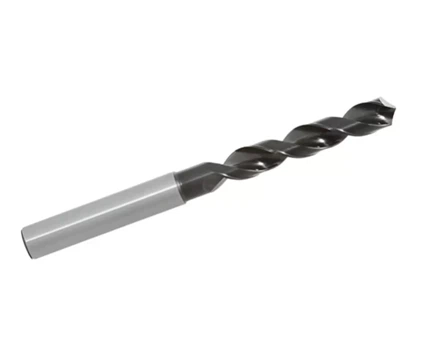
Carbide drill bits are made from tungsten carbide, a composite of tungsten and carbon atoms. This combination makes them incredibly hard and highly resistant to wear, which is why they're perfect for drilling tough materials.
Ingredients & Composition.
Tungsten: Known for its high melting point (over 3,400°C), tungsten helps the drill bit maintain its hardness even at extremely high temperatures.
Carbon: When bonded with tungsten, carbon forms carbide, providing the necessary hardness and wear resistance to handle demanding tasks like drilling through steel or titanium.
Manufacturing Process
Carbide drill bits are typically made through a process called powder metallurgy, which involves the following steps:
Mixing tungsten powder with a carbon source.
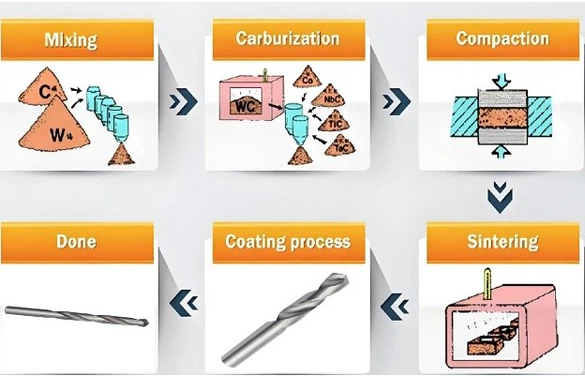
Sintering: The mixture is heated to a very high temperature in a controlled environment to form tungsten carbide.
Shaping and Milling: The carbide is then shaped into drill bit designs, and often cobalt is added as a binder to improve strength.
Coating: Finally, carbide bits are coated with materials like titanium nitride (TiN) to improve surface hardness and reduce wear.
Main Features & Properties
Hardness: Carbide is extremely hard, making it ideal for drilling through tough, abrasive materials like hardened steel and titanium.
Durability: Carbide drill bits have exceptional wear resistance, leading to a longer tool life even under demanding conditions.
Precision: These bits maintain sharp edges for longer periods, which is essential for precision drilling.
Brittleness: While carbide is incredibly hard, it is also brittle, which means it can break under sudden impacts or high-stress conditions.
Heat Resistance: Carbide bits can withstand high temperatures but are not as effective as cobalt in high-speed, heat-generating environments.
Cost: Due to their complex manufacturing process and the cost of tungsten, carbide drill bits tend to be more expensive than other types, like cobalt.
Advantages and Disadvantages of Carbide Drill Bits
Advantages:
Exceptional Hardness: Carbide drill bits are ideal for tough, abrasive materials such as hardened steel and titanium. If you're working with these materials, carbide will provide the durability and precision you need.
Longer Lifespan: The hardness of carbide means these bits last much longer than others, saving you money in the long run by reducing the need for frequent replacements.
Precision Drilling: Because carbide bits maintain their sharpness, they offer exceptional precision for tasks like CNC machining or any high-accuracy drilling work.
Disadvantages:
Brittleness: While carbide is hard, it is also prone to breaking or chipping under sudden impact or excessive force. You need to handle carbide bits with care and avoid using them in applications where impacts are common.
Cost: Carbide drill bits are generally more expensive than cobalt, making them a less cost-effective option for all types of drilling tasks.
Limited Flexibility: Due to their hardness, carbide drill bits aren't as flexible as cobalt, so they are not ideal for heavy-duty applications where flexibility is required.
What Are Cobalt Drill Bits?
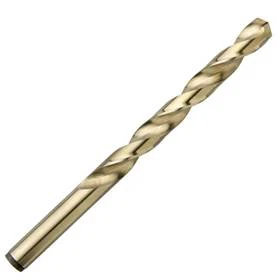
Cobalt drill bits are known for their impressive heat resistance and durability, making them a popular choice for drilling through tough metals like stainless steel. These drill bits are made by combining high-speed steel (HSS) with a small amount of cobalt alloy, which enhances their performance, especially at high temperatures.
Ingredients & Composition
High-Speed Steel (HSS) with Cobalt Alloy: Cobalt drill bits are made by alloying HSS with cobalt, typically in concentrations of 5-8%. This combination increases the hardness and heat resistance, allowing the bit to handle higher temperatures and tough materials.
High-Speed Steel (HSS): HSS is the base material of cobalt drill bits and contains iron, carbon, and alloying elements like molybdenum, vanadium, and chromium. These elements contribute to the strength, toughness, and ability to withstand high-speed operations.
Cobalt: The cobalt alloy enhances the heat resistance and hardness of the drill bit. It allows the bit to maintain its sharpness even when exposed to the heat generated by drilling at high speeds.
Manufacturing Process
Cobalt drill bits are produced using a similar process to regular HSS drill bits, with cobalt added during the manufacturing stage:
Steel alloying: Cobalt is mixed with HSS in precise amounts (typically 5-8%) to achieve the desired strength and heat resistance.
Forging: The mixture is forged into the desired drill bit shape.
Heat Treatment: The cobalt-HSS bits are heat-treated to further improve their hardness and durability.
Grinding and finishing: After heat treatment, the drill bits are ground and polished to create sharp cutting edges and ensure the correct geometry for effective drilling.
Main Features & Properties
Heat Resistance: Cobalt drill bits can withstand higher temperatures (up to 1000°F or 538°C) compared to standard HSS bits, making them ideal for high-speed, high-temperature drilling applications.
Strength: The addition of cobalt increases the drill bit's strength and toughness, especially when drilling through tough materials like stainless steel or cast iron.
Flexibility: Cobalt drill bits are more flexible than carbide bits, making them less prone to breaking under pressure. This makes them a versatile choice for various drilling applications.
Wear Resistance: While not as durable as carbide, cobalt drill bits still offer a significant level of wear resistance and can handle harsh working conditions.
Cost: Cobalt drill bits are generally more affordable than carbide options, offering a cost-effective solution for many users.
Corrosion Resistance: The cobalt alloy provides improved corrosion resistance, which is particularly useful when drilling materials like stainless steel that may cause rusting over time.
Advantages and Disadvantages of Cobalt Drill Bits
Advantages:
Heat Resistance: Performs well under high temperatures, ideal for tough metals and high-speed drilling.
Strength: Stronger than standard HSS, suitable for drilling hard materials like stainless steel.
Flexibility: Less prone to breaking under stress compared to carbide.
Cost-Effective: More affordable than carbide drill bits.
Corrosion Resistance: Enhanced rust resistance.
Disadvantages:
Lower Durability: Less durable than carbide for extreme conditions.
Not Ideal for Impact: Wears faster in heavy-duty applications.
Carbide vs. Cobalt: Key Differences in Performance

Material Hardness and Durability
Carbide is harder and more wear-resistant, making it ideal for precision drilling in tough, abrasive materials like steel. However, it's more brittle. On the other hand, cobalt is more flexible, which makes it a better choice for general-purpose drilling and high-speed applications.
Heat Resistance and Performance Under Stress
Cobalt drill bits can withstand higher temperatures without losing their hardness, perfect for high-speed drilling. Carbide excels in hard materials but can become brittle under stress or impact.
Cost Comparison
Carbide drill bits are more expensive, but they offer superior durability. Cobalt drill bits are more affordable, offering a solid balance of performance for most tasks.
|
Feature |
Carbide Drill Bits |
Cobalt Drill Bits |
|
Material Hardness & Durability |
Harder and more wear-resistant, ideal for precision drilling in tough materials |
More flexible, better suited for general-purpose drilling and high-speed applications |
|
Heat Resistance & Performance Under Stress |
Performs well in tough materials but can become brittle under sudden stress or impact |
Better heat resistance, maintains hardness in high-speed applications |
|
Cost |
More expensive due to higher durability and performance |
More affordable, providing a solid balance of performance for many tasks |
Applications: When to Use Carbide vs. Cobalt Drill Bits
Carbide Drill Bits
Use carbide drill bits when you need high-precision drilling in hard metals like titanium or hardened steel. They're perfect for CNC machining where precision is essential. However, they're not ideal for softer materials as they can wear down quickly.
Cobalt Drill Bits
Cobalt drill bits excel in drilling through tough metals like stainless steel, cast iron, and other hard alloys. They're great for general-purpose drilling, especially in high-speed applications such as automotive work or metalworking, providing a solid balance of performance and cost.

Considerations When Selecting a Drill Bit
1. Material Hardness
If you're drilling through harder materials like titanium or hardened steel, carbide drill bits are your best option. Their extreme hardness ensures precision and durability. For more general metalworking tasks, cobalt drill bits are a solid choice, providing a good balance of performance and flexibility.
2. Durability
Need a drill bit that lasts longer? Carbide drill bits are known for their superior durability, especially in demanding tasks. They'll maintain their sharpness and resist wear for much longer than cobalt bits.
3. Flexibility
If your work requires versatility and you're looking to keep costs lower, cobalt drill bits are the way to go. They handle a range of applications well and perform reliably in high-speed environments.
Carbide vs. Cobalt Drill Bits: Which One Is Better for You?
Choosing between carbide and cobalt drill bits depends on your specific needs. If you're working with hard metals like titanium or hardened steel and need precision, carbide drill bits are the way to go. They're perfect for CNC machining and tough applications. However, if you're after a cost-effective solution for general-purpose drilling in tough alloys like stainless steel or cast iron, cobalt drill bits are a great choice. They offer better heat resistance and flexibility, making them ideal for high-speed, versatile tasks without breaking the bank.
Tips for Maintaining Your Drill Bits
To get the most out of your drill bits, always use proper cooling techniques while drilling. This helps reduce heat buildup, preventing premature wear and extending the life of your bits. Additionally, make sure to store your drill bits in a safe, dry place, ideally in a protective case or organizer, to prevent damage or rust. Taking these simple steps ensures your drill bits stay sharp and ready for the next project.

Summarize
Choosing between carbide and cobalt drill bits ultimately depends on your specific needs. If precision and durability are top priorities for tough materials, carbide drill bits are the way to go. However, if you need a more versatile and cost-effective option for high-speed drilling in general metals, cobalt drill bits are an excellent choice. Whatever your project requires, understanding the strengths and weaknesses of each option ensures you make an informed decision.