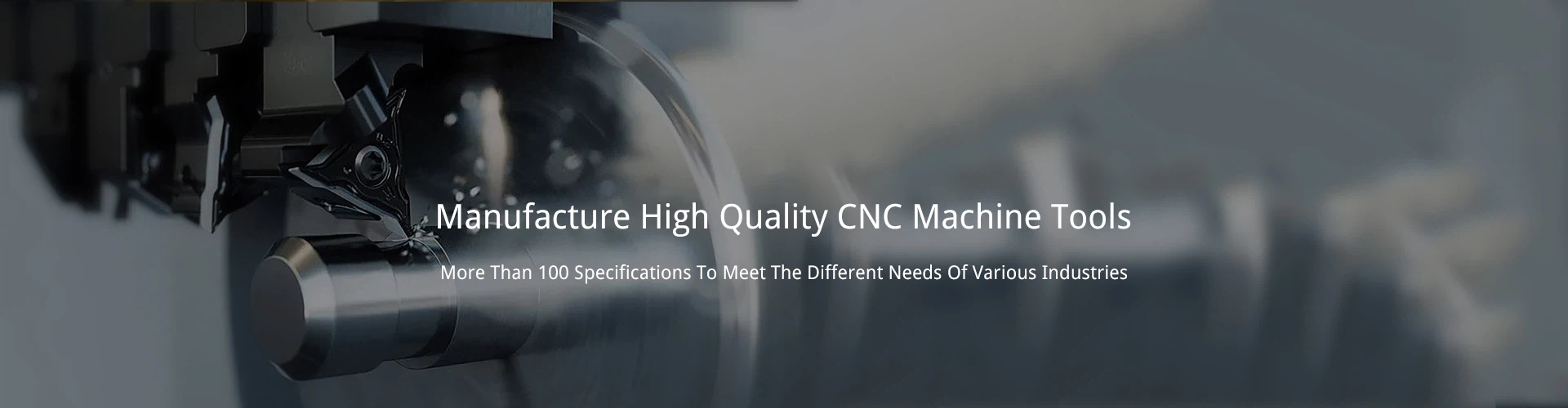
Carbide drill bits are cutting tools made from a blend of tungsten carbide and a cobalt binder. Tungsten carbide, known for its exceptional hardness, is the main component, making these drill bits ideal for cutting through hard metals like stainless steel and cast iron. The cobalt binder helps hold the carbide particles together, adding some flexibility while maintaining the bit's strength.
Why are carbide drill bits preferred in machining? It's because of their superior wear resistance, which ensures they stay sharp for longer periods, even under high-speed or high-temperature conditions. These bits are ideal for precise drilling, delivering smoother and more accurate holes compared to standard high-speed steel (HSS) bits.
Whether you're drilling through tough materials in CNC machining or performing precise industrial tasks, carbide drill bits are the go-to choice for professionals seeking efficiency and longevity in their tools.
Key Applications of Carbide Drill Bits
Carbide drill bits are indispensable tools for industries that demand precision, speed, and reliability in drilling operations.
Common Industrial Uses
Carbide drill bits are a go-to solution in industries that require high precision and durability. In CNC machining, automotive, aerospace, and die manufacturing, these drill bits excel in high-speed, high-precision drilling, making them essential for efficient production. Whether you're drilling intricate parts for engines or aircraft, carbide drill bits offer unmatched performance.
Suitable Materials for Carbide Drill Bits
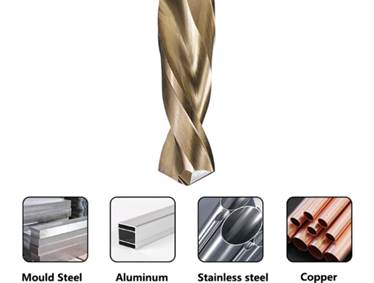
Carbide drill bits are designed to handle tough materials like stainless steel, cast iron, hardened steel, titanium, composites, and ceramics. If you're working with these hard-to-drill materials, carbide is your best bet for clean, precise holes that hold up under intense pressure and temperature.
Example Applications in Various Industries
Carbide drill bits are commonly used for drilling engine blocks, molds, or hard alloys in industries like automotive manufacturing or mold-making. They're perfect for tough jobs that require speed and accuracy, giving you the results you need without sacrificing quality or performance.
Advantages of Using Carbide Drill Bits
Carbide drill bits offer a combination of durability, precision, and efficiency that makes them the preferred choice for demanding machining applications.
Superior Hardness and Wear Resistance
Carbide drill bits are known for their exceptional hardness, much higher than steel, which makes them highly resistant to wear. This means they can last much longer, even in demanding, high-production environments. With carbide, you get reliable, consistent performance without frequent replacements, saving you money in the long run.
Heat Resistance and High-Speed Performance
One of the standout features of carbide drill bits is their ability to withstand high temperatures. They excel in high-speed machining, maintaining sharpness even under intense heat. This is especially important when drilling through tough materials like hardened steel or titanium, as it helps you achieve clean, precise holes without worrying about tool wear.
Increased Precision and Reduced Tool Deflection
Carbide drill bits provide better hole accuracy and smooth surface finishes thanks to their rigidity. This reduced deflection means more precise drilling, which is crucial for creating tight tolerances and reducing the need for rework.
Long-Term Cost Efficiency
While carbide drill bits come with a higher upfront cost, they reduce downtime and the need for frequent tool changes, leading to long-term cost savings. By using carbide, you boost productivity and ensure fewer interruptions during your production runs.
Carbide Drill Bits vs. Other Drill Bit Materials
Understanding the differences between carbide and other drill bit materials helps you choose the most effective tool for your specific machining needs.
Carbide vs. HSS Drill Bits
Carbide drill bits outperform HSS (High-Speed Steel) in terms of hardness and longevity. They can handle higher speeds and tougher materials like hardened steel and titanium, making them ideal for high-precision CNC machining. While HSS is more affordable, carbide's durability justifies its higher price for high-volume, demanding tasks.
Carbide vs. Cobalt Drill Bits
Cobalt drill bits are great for tough materials, but carbide is a better choice for extreme hardness and precision. Choose cobalt for general machining or when a more flexible, tougher bit is required. Go for carbide when you need longer tool life and faster performance in high-speed operations.
Carbide vs. Ceramic and Diamond-Coated Bits
While ceramic and diamond-coated bits excel in highly specialized environments, carbide remains a versatile choice for most machining jobs, offering excellent wear resistance and precision in a variety of materials. Diamond bits are best for ultra-hard surfaces, while carbide can tackle a wider range of industrial applications effectively.
|
Comparison |
Carbide Drill Bits |
HSS Drill Bits |
Cobalt Drill Bits |
Ceramic Drill Bits |
Diamond-Coated Drill Bits |
|
Performance |
High speed, excellent precision, and durability. |
Suitable for general-purpose drilling, lower speeds. |
Tougher than HSS, suitable for tough materials but less durable than carbide. |
Best for hard ceramics and glass, less versatile for other materials. |
Excellent for ultra-hard materials (e.g., granite), but not versatile. |
|
Longevity |
Long-lasting, can handle high temperatures and wear. |
Shorter life, especially with harder materials. |
Longer life than HSS but shorter than carbide. |
Moderate lifespan, primarily for ceramic applications. |
Long lifespan on abrasive materials, but fragile. |
|
Applications |
CNC machining, aerospace, automotive, and hardened metals (e.g., steel, titanium). |
General machining, low-speed applications. |
Metalworking, especially for tough alloys like stainless steel. |
Best for drilling hard ceramics, glass, and composites. |
Used for drilling ultra-hard materials like stone, concrete, and abrasive surfaces. |
|
Best For |
High-precision, high-speed machining, and tough materials. |
Budget-friendly, non-specialized tasks. |
Tougher alloys, general machining when cost is a factor. |
Hard ceramics and glass drilling. |
Ultra-hard, abrasive materials that require precision and durability. |
Choosing the Right Carbide Drill Bit for Your Material
Selecting the right carbide drill bit depends on the material, coating, and design
Factors to Consider
When selecting a carbide drill bit, material hardness, coating type, and geometry are key. Harder materials, like titanium or hardened steel, require tougher drill bits with the right coatings to reduce wear and improve performance. The drill bit geometry, including the tip angle and helix, will also influence cutting efficiency and tool life.
Selecting the Correct Flute Design
The flute design is critical for chip evacuation during drilling. Carbide drill bits with proper flute geometry allow chips to be removed efficiently, preventing clogging and overheating. This reduces the risk of tool damage and improves drilling accuracy.
Role of Coolant, Feed Rate, and Spindle Speed
To get the best performance, it's crucial to optimize coolant, feed rate, and spindle speed. Coolant helps keep the bit cool and lubricates the cutting area, while the right feed rate and spindle speed ensure smooth cuts and extend tool life.

Maintenance and Care Tips for Carbide Drill Bits
Proper maintenance and handling of carbide drill bits are essential to maximize their performance, extend tool life, and maintain precision in high-demand machining operations.
Proper Storage and Cleaning
To keep your carbide drill bits in top condition, store them in a dry, clean area where they're not exposed to moisture or extreme temperatures. Always clean them after use to remove debris and chips, using a soft brush or cloth. Avoid using harsh chemicals that could damage the bit's surface.
Regrinding and Sharpening
Over time, carbide drill bits can lose their sharpness. Regrinding and sharpening the bit will maintain its cutting efficiency. It's best to have a professional sharpen them to avoid damaging the geometry. Regular maintenance ensures your bits continue to perform at their best, saving money in the long run.

Importance of Coolant and Regular Lubrication
Using coolant and lubrication during machining helps maintain the temperature of the drill bit and prevents excessive wear. Proper cooling also reduces the chances of the bit overheating, which can lead to premature damage.
Signs That It's Time for a Replacement or Sharpening
If you notice increased friction, longer drilling times, or visible dullness, it's time for either sharpening or replacement. Regularly inspect your carbide drill bits for cracks or chips to ensure safety and optimal performance.

Reduced Cycle Time
Carbide drill bits are known for their ability to speed up drilling. Thanks to their hardness and heat resistance, they maintain sharpness even at high speeds, reducing the overall cycle time. This means you can drill faster, making your manufacturing process more efficient and helping you meet tight production deadlines.
Enhanced Hole Accuracy and Surface Finish
Carbide drill bits provide cleaner, more precise holes. Their superior rigidity minimizes tool deflection, which results in higher hole accuracy and a smoother surface finish. This is crucial for high-precision parts that require tight tolerances and excellent surface quality.
Increased Productivity in Production Environments
In high-volume manufacturing, carbide drill bits significantly boost productivity. Their durability reduces downtime caused by tool changes, and they can handle tough materials, allowing for faster production with fewer interruptions.
Compatibility with CNC Toolholders and Automation Systems
Carbide drill bits integrate seamlessly with modern CNC setups. Their precision and durability ensure smooth operation when used with advanced toolholders and automation systems, making them perfect for automated production lines where consistency is key.
Where to Buy High-Quality Carbide Drill Bits
Selecting the right supplier is crucial to ensure you get carbide drill bits that deliver consistent performance, precision, and long-term reliability for your machining projects.
Choosing a Reliable Supplier
When shopping for carbide drill bits, always look for a supplier with a reputation for quality, consistency, and customer support. Ensure they offer bits that meet your specific material and application needs, and that they provide clear information on tool specifications and warranty.
Why Choose GreatCNC Machine for Carbide Drill Bits
At GreatCNC Machine, we offer high-quality carbide drill bits with customization options tailored to your project needs. Our one-stop service ensures quick delivery, and our expert recommendations help you select the best bits for tasks like drilling engine blocks, molds, or hard alloys. Choose us for performance you can count on!
Conclusion
Carbide drill bits are essential tools for anyone involved in precision machining. From high-speed CNC operations to cutting hard metals, these drill bits provide unmatched performance and longevity. If you want to upgrade your machining efficiency and reduce downtime, investing in carbide drill bits is a game-changer.
Want to learn more? Contact us today to find the perfect carbide drill bit for your needs, and get expert advice on CNC tooling!