


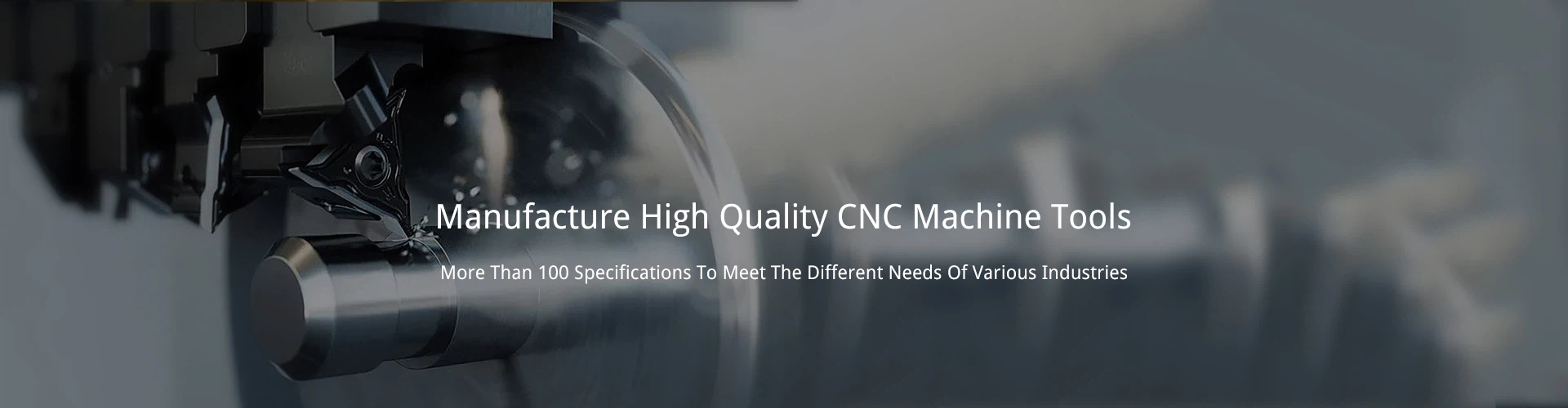
CNC (Computer Numerical Control) machines have revolutionized manufacturing, offering precision, efficiency, and versatility in creating complex components. These machines automate production processes by following pre-programmed instructions, significantly reducing human error and enabling industries to achieve consistent quality on a large scale. CNC machines are the backbone of modern production lines from automotive to aerospace.
Businesses must understand the distinctions between different types of CNC machines, such as Vertical Machining Centers (VMC) and Horizontal Machining Centers (HMC). Each type is tailored for specific applications, and selecting the right one can dramatically impact operational efficiency, cost-effectiveness, and the quality of the final product.
This article dives into the key differences between CNC, VMC, and HMC machines, equipping businesses with the knowledge to make informed decisions and optimize their manufacturing processes for enhanced productivity and precision.
What is a CNC Machine?
CNC stands for Computer Numerical Control. It refers to a process where machines use computer programs to control tools and produce parts. CNC technology has transformed manufacturing by automating tasks that were once done manually.
The evolution of CNC machines began in the mid-20th century. Early machines used punched tape to store instructions. Over time, they became more advanced with modern software, making them faster and more precise. Today, CNC machines are a key part of industries like automotive, aerospace, and medical device manufacturing.
A CNC machine works by following a digital program. Operators use CAD (Computer-Aided Design) software to create designs, which are then converted into machine-readable instructions. These instructions guide the machine's tools, such as drills, lathes, or milling cutters, to shape materials like metal, wood, or plastic.
There are several types of CNC machines based on function and design. Common examples include:
CNC Lathes for rotating materials and cutting.
CNC Milling Machines for shaping surfaces.
CNC Routers for cutting softer materials like wood or plastic.
To learn more, check out the CNC Lathe Machine options available for your needs. These machines are perfect for precise and efficient manufacturing.
Understanding VMC (Vertical Machining Center)
A Vertical Machining Center (VMC) is a type of CNC machine with a vertically oriented spindle. The spindle holds the cutting tool, which moves up and down to shape the material below. The material is secured on a table that moves in two directions, enabling precise cuts.
VMCs are widely used because of their compact and straightforward design. One of their key features is their ability to handle tasks like drilling, milling, and boring. These machines are user-friendly and efficient, making them a popular choice in many industries.
The advantages of VMCs include high accuracy and ease of programming. They are excellent for creating detailed parts and are cost-effective for smaller operations. The vertical spindle design also makes chip removal simpler, which is helpful during production.
Industries like aerospace, automotive, and electronics commonly use VMCs. They are ideal for making parts like engine components, molds, and intricate designs for consumer electronics.
If you're looking for a reliable and efficient VMC, explore the Vertical Machining Center options available. These machines provide precision and productivity, making them a valuable addition to any manufacturing setup.
Introduction to HMC (Horizontal Machining Center)
A Horizontal Machining Center (HMC) is a type of CNC machine with a horizontally oriented spindle. The spindle holds the cutting tool, which moves sideways to shape the material. The material is usually mounted on a rotary table that allows machining from multiple angles.
HMCs are designed for heavy-duty tasks and complex parts. One unique advantage is their ability to perform multi-side machining in a single setup. This reduces the need to reposition the material, saving time and ensuring precision. Another benefit is better chip evacuation. Gravity helps chips fall away naturally, keeping the cutting area clean and improving performance.
These machines are ideal for high-volume production and large-scale operations. Industries like automotive, aerospace, and heavy machinery rely on HMCs for their efficiency and versatility. Common uses include manufacturing engine blocks, aerospace components, and industrial parts requiring high precision.
You may explore the Horizontal Machining Center options. These machines are perfect for businesses that need to produce complex parts with speed and accuracy.
Here's a table comparing CNC, VMC, and HMC based on key aspects:
| Feature | CNC Machines | VMC (Vertical Machining Center) | HMC (Horizontal Machining Center) |
| Orientation | Varies depending on the machine (lathe, milling, etc.). | Vertical spindle orientation. | Horizontal spindle orientation. |
| Applications | Versatile; used for cutting, drilling, milling, and turning. | Ideal for creating detailed parts like molds and dies. | Best for multi-side machining of large or complex parts. |
| Cost | Wide range depending on type and features. | Generally more affordable than HMCs. | Higher initial investment due to advanced features. |
| Efficiency | Efficiency depends on the specific machine type. | Suitable for precision work but less efficient for multi-sides. | Highly efficient for high-volume and multi-side machining. |
| Maintenance | Varies; simpler machines are easier to maintain. | Moderate maintenance due to fewer moving parts. | Higher maintenance due to complex systems and rotary tables. |
Pros And Cons
CNC Machines
Pros:
Versatility: Can perform a wide range of tasks like cutting, drilling, milling, and turning.
Scalability: Businesses can start with basic models and expand features as needed.
Material Compatibility: Suitable for various materials, including metals, plastics, and composites.
Cons:
High Initial Investment: Advanced models can be costly, making them less accessible for small businesses.
Complex Operation: Programming and maintenance often require skilled operators.
VMC (Vertical Machining Center)
Pros:
Compact Design: Takes up less floor space compared to HMCs.
Ease of Use: Simpler to program and operate, ideal for precision tasks.
Cost-Effective: Generally more affordable than HMCs, making it a good entry-level option.
Cons:
Limited Multi-Side Machining: Requires repositioning of the workpiece, reducing efficiency.
Risk of Errors: Frequent repositioning can lead to inaccuracies in machining.
HMC (Horizontal Machining Center)
Pros:
High Efficiency: Multi-side machining in a single setup saves time and enhances precision.
Better Chip Evacuation: Gravity aids in clearing chips, improving performance for heavy-duty tasks.
Ideal for High-Volume Production: Designed for large-scale operations and complex parts.
Cons:
Higher Cost: Initial investment and maintenance expenses are significantly greater than VMCs.
Space Requirements: Requires more floor space due to its advanced systems and rotary tables.
How to Choose the Right Machine for Your Needs
Choosing the right machining system-CNC, VMC, or HMC-can be challenging. Your decision will depend on several factors that align with your business's needs and goals. Here's a breakdown of key considerations:
1. Nature of the Project
The type of work you need to perform is the first thing to evaluate. For simple operations like cutting or drilling, a standard CNC machine may be sufficient. If your project involves precision work on smaller parts, a VMC is a great option. For complex parts requiring multi-side machining, an HMC offers unmatched efficiency.
2. Budget Constraints
Machining systems can vary significantly in cost. CNC machines, especially entry-level models, are generally affordable. VMCs are cost-effective for most small to medium-sized operations. However, HMCs, with their advanced capabilities, require a larger initial investment. Always factor in not just the purchase price but also maintenance, training, and tooling costs.
3. Space Availability
Consider the floor space available in your facility. VMCs are compact and fit well in smaller workshops. HMCs, on the other hand, require more space due to their design and rotary tables. Plan your workspace layout before making a decision.
4. Required Precision and Speed
For high-speed, precise operations, VMCs and HMCs are ideal. HMCs are particularly advantageous for large-scale, high-volume production. If precision is critical but production volume is moderate, a VMC might be more suitable.
By analyzing these factors, you can make an informed decision about the right machine for your operations. For a detailed look at available options, check out CNC Machine Tools. Whether you need a versatile CNC, a precise VMC, or an efficient HMC, there's a machine designed to meet your needs.
Applications in Modern Industries
CNC, VMC, and HMC machines play crucial roles across various industries, transforming how products are designed and manufactured. Their precision, efficiency, and versatility make them indispensable in many modern sectors.
1. Automotive Industry
The automotive sector extensively uses CNC, VMC, and HMC machines to manufacture components like engine blocks, gears, and transmission parts. CNC machines are used for cutting and shaping materials with unmatched precision, while VMCs handle tasks such as creating molds for car body panels.
HMCs, with their multi-side machining capability, are ideal for producing complex parts like cylinder heads and engine housings. This combination of technologies ensures that vehicles meet performance and safety standards.
2. Aerospace Industry
The aerospace industry demands high precision and reliability. CNC machines are used to manufacture intricate components like turbine blades, brackets, and fasteners. VMCs are employed to create detailed molds and fixtures, while HMCs handle the machining of larger, multi-dimensional parts like landing gear assemblies. These machines help maintain strict quality standards and support innovation in lightweight materials and designs.
3. Medical Equipment Manufacturing
In the medical field, CNC and VMC machines are used to create tools, implants, and prosthetics with exceptional accuracy. HMCs are often utilized for producing intricate parts for diagnostic machines and surgical instruments. The reliability of these machines ensures patient safety and supports advancements in medical technology.
4. Electronics Industry
The electronics sector relies on CNC and VMC machines for manufacturing circuit boards, enclosures, and precision components for consumer gadgets. VMCs are particularly valuable in creating molds for intricate designs used in smartphones and laptops.
5. Heavy Machinery and Construction
HMCs are widely used in manufacturing heavy equipment components, such as hydraulic cylinders, frames, and gears. Their efficiency in handling large-scale, multi-dimensional tasks makes them a preferred choice in this industry.
Successful Implementation Examples
Automotive Giant: A major automaker improved engine block production efficiency by 40% after integrating HMCs into their production line.
Aerospace Leader: A company reduced production time for turbine blades by 30% using advanced CNC systems.

The Future of CNC Technology
Emerging Trends in CNC, VMC, and HMC
CNC, VMC, and HMC technologies are constantly evolving to meet the demands of modern industries. One major trend is the adoption of advanced materials. As industries move toward new materials like composites and high-performance alloys, CNC machines are being upgraded to handle these materials more efficiently and precisely. These upgrades enhance the machine's versatility and broaden the range of products that can be produced.
Another emerging trend is multi-axis machining. CNC machines with more than three axes are becoming increasingly common. These machines allow for more complex and detailed operations in a single setup, reducing the need for multiple setups and improving efficiency and accuracy. Multi-axis machines are becoming essential for industries that require high precision, such as aerospace and medical device manufacturing.
In the case of VMCs and HMCs, the focus is on improving automation. Robotic arms for material handling are being integrated into these machines, reducing the need for human intervention. This automation speeds up production, reduces errors, and increases overall efficiency. Additionally, automation makes it easier to switch between different production runs without losing productivity.
Role of AI, IoT, and Automation
Artificial Intelligence (AI) is revolutionizing CNC machining. With AI, machines can perform predictive maintenance, diagnosing potential issues before they cause breakdowns. This reduces downtime, lowers maintenance costs, and helps keep production running smoothly. AI also enables smarter decision-making in real-time, optimizing machine performance and improving output quality.
The Internet of Things (IoT) is another game-changer. IoT-enabled CNC machines can communicate with other machines and centralized systems, providing real-time data on their performance. This data can be analyzed to identify inefficiencies, predict when maintenance is needed, and ensure that the production process remains optimal.
As automation continues to evolve, we can expect CNC, VMC, and HMC machines to become even more intelligent, efficient, and interconnected, driving innovation across industries. These advancements will shape the future of manufacturing and help businesses stay competitive in a fast-paced market.
Conclusion
Choosing the right machining technology-CNC, VMC, or HMC-depends on several factors, including the nature of the project, budget, space availability, and required precision. CNC machines offer great versatility and scalability, making them suitable for a wide range of applications.
VMCs are ideal for precise, detailed work with a compact design, while HMCs excel in high-volume, multi-side machining. Understanding the strengths and limitations of each type of machine allows businesses to make informed decisions that optimize efficiency, reduce costs, and improve product quality.
By selecting the right machine, companies can achieve enhanced productivity and precision, keeping them competitive in the evolving manufacturing landscape.