


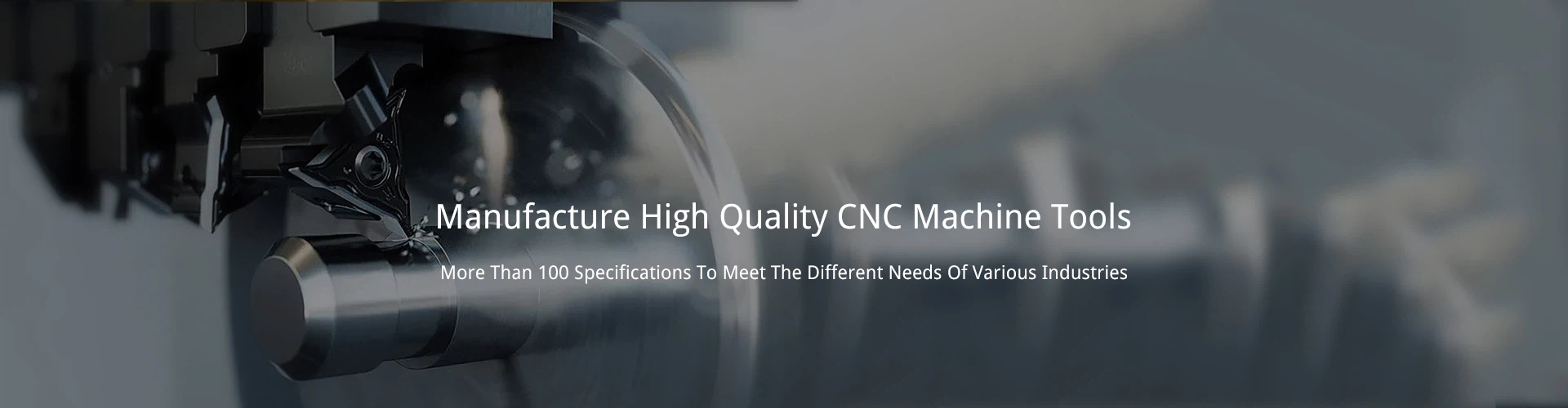
In simple words, CNC machining is a computer-guided system. This system executes exact commands without any human error. Previously, in manual machining, there were high chances of errors in accuracy and design. CNC machining companies incorporate advanced software to control tools and machines. These are lathes and mills. Since every movement is computer-controlled, you will get perfect, calculated, and high-end results.
How Does CNC Work?
A CNC machine is a robotic cutting and shaping machine. So it's like a very precise power tool and is controlled by a computer. The first step is the design of one of the computers. With special software, you make what you want to make.
The design is then translated to the computer, and it makes a set of instructions. They tell the machine where to cut, and where to move. They only follow those instructions perfectly. With your part, it moves the cutting tools up, down, left, and right.
Many materials can be worked with CNC machines. Wood, metal, plastic, and more are cut.
It's very accurate – a lot more accurate than cutting with a pair of scissors by hand. That's why everything from cars to auto parts is made out of them.
How CNC Machines Work?

Design Phase
Digital designs form the basis of CNC machining. Active learning tools incorporate CAD software to build detailed 3D models. In simple words, digital blueprints preserve the complex details of custom parts.
It is pretty easy for you to explore complex geometries incorporating modern design tools. Engineers can build up interactions between parts and test stress points before putting anything into physical manufacturing.
The material properties are carefully considered through the design process. Mechanical constraints and performance needs are major drivers. Advanced software allows designers to create models of components down to the molecular level. They can see how parts will interact with each other and perform under different scenarios.
Programming
Programming functions as the essential communication layer between CNC machines. Two main code types run the manufacturing process: G-code and M-code.
G-code in CNC machining is the language that instructs the machine how to move. It offers exact coordinates, cutting speeds, and painstakingly precise movement instructions. The code is a well-ordered dance for the machine. G-code instructs the machine where to go at what speed and depth.
M-code in CNC machining handles auxiliary functions. It handles supporting activities such as coolant systems and tool changes. You can think of M-code as the machine's lifeblood. It does everything other than basic cutting strokes. Examples of M-code commands include activating coolants, switching tools, and controlling machine-specific actions.
Machine Setup
CNC machine preparation calls for incredible exactness. The workpiece is carefully prepared by technicians. They choose suitable materials and use special fixtures to secure the components. Each workpiece needs to be positioned with microscopic precision.
Different holding methods are required for different machining processes. Material stability is secured by vice magnets and custom-made fixtures. Technicians verify the alignment using precision measurement tools. Each setup has to ensure zero movement during machining.
The selection of tools is just as important. Machinists select certain tools by many factors:
Material type
Design complexity
Desired surface finish
Cutting requirements
Operation
Once preparation is done, the CNC machine starts its automation process. It carries out programmed instructions with superhuman accuracy. The machine can clear material in a layer-by-layer process or build parts via additive manufacturing.
Modern CNC machines can simultaneously utilize multiple axes. They deal in a range of materials, from soft plastics to hardened metals. The cutting process involves:
Precise material removal
Complex geometric shaping
Consistent depth control
Parameter tuning in real-time
The machines can change strategies for cutting in an instant. They are resistant to material variations and retain remarkable accuracy. Every motion is deliberate, and every one of them is performed with stunning regularity.
Types of CNC Machines
CNC Milling Machines
CNC milling machines are one of the cornerstones of modern manufacturing. Rotational cutting is performed by such powerful machines at exceptional precision. The former are particularly adept at producing intricate geometric forms in a range of materials. Cutting tools spin at high speeds, carving away material layer by layer.
Milling machines perform a variety of manufacturing functions. They can create:
Precise slots
Complex pockets
Intricate surface shapes
Well-defined mechanical elements
Copying tools shuttle in several axes. Workpieces can be viewed from various angles. This versatility results in extremely intricate changes in geometry. "From development prototypes to final production parts, manufacturers use milling machines.
CNC Lathes
CNC lathes have a large appetite for cylindrical components. These machines spin the workpiece as cutting tools change the external and internal shapes of it. This CNC lathe technology is known for its precision.
Typical applications include:
Mechanical shafts
New shapes for cylindrical aerospace components
Precision engineering parts
Automotive components
Lathes create symmetrical parts that tolerate incredible accuracy.
Plasma and Laser Cutters
A second major category of CNC machines is thermal cutting technologies. With energy concentration, plasma, and laser cutters can cut through materials with outstanding precision.
Plasma cutters function best on conductive materials:
Metals
Steel sheets
Aluminum components
Electrical enclosures
Laser cutters are even more versatile:
Metal cutting
Wood processing
Fabric manipulation
Precise, complex designs
These machines can carve complex shapes while leaving a minimal amount of material behind. They offer cleave, detailed limbs that standard chopping practices can not meet.
CNC Grinders
Grinding machines settle on the way to successful surface finishes and close tolerances. Abrasive wheels are used to remove several layers of microscopic material. These machines are focused on precision.
Applications include:
Final part finishing
Ultra-smooth surface capabilities
Building exact dimensional tolerances
Hardened material processing
The surface finishes are measured in micrometers on the grinding machines.
3D Printers
The term additive manufacturing defines a game-changing approach to production. As a result, 3D printers create components layer by layer. They turn digital designs into physical objects with astonishing velocity.
Key advantages include:
Rapid prototyping
Multi-faceted geometric potential
Minimal material waste
Quick design iterations
There are several different types of 3D printing technologies:
Plastic extrusion
Metal sintering
Resin-based printing
Powder bed fusion
Specialized CNC Machines
CNC systems expand more than manufacturing limits: Multi-axis, 5-Axis Machines: The Ultimate in Machining Flexibility. They can grip workpieces from several sides at once.
These sophisticated systems allow for:
Incredibly complex geometries
Reduced setup times
Improved precision
High-tighter aerospace and medical component manufacturing
CNC Machining Materials: Everything You Need to Know

Aluminum
CNC machining works a lot with metals. They have some unique properties that are necessary for many manufacturing applications. Aluminum is a lightweight champion of the metal world. It has very good corrosion resistance and machinability. This makes it a popular choice for manufacturers.
Aluminum is widely used in the aerospace, automotive, and electronics industries. This is utilized for parts that need strength without significant weight. Aluminum is easy to form, which contributes to its versatility.
The fact that it is naturally rust-resistant makes it all the more attractive. Aluminium is a favorite among engineers because it provides low density with excellent structural strength.
Steel
Steel has been the backbone of industrial manufacturing. It certainly is a strong metal that cannot be matched when it comes to durability and strength. So, it is an excellent choice for structural uses and heavy-duty components.
Various mechanical properties can be provided by various steel grades. Some steels are very hard, while others allow more flexibility. The properties of steel can be improved still further by heat treatment processes.
Its performance is customizable to specific applications by engineers. Steel is still a key material in manufacturing, from construction equipment to car parts.
Titanium
Titanium reaps the reward of being a space-age metal with outstanding thermodynamic capability. In aerospace and medical industries, it is invaluable due to its phenomenal strength-to-weight ratio.
Titanium is resistant to extreme temperatures and corrosion. Ideal For Use In Tough Environments Surgeons and dentists use titanium for implants, as the material is compatible with biological systems. Titanium is also essential for aerospace engineers in key parts. These components need to perform at their best in harsh conditions.
Polycarbonate
Plastics represent an alternative manufacturing path. They have the advantages of doing both machining and CNC machining. Polycarbonate has good impact resistance and is transparent.
It is used to make safety equipment, protective shields, and consumer electronics. Withstands the impact yet has crystal clear optics. These combined features make it suitable for products that need both protection and visibility.
PEEK
PEEK (Polyether Ether Ketone) is the most advanced high-performance plastic. It is an extraordinary material that can withstand very high temperatures. It is also resistant to chemical interaction.
These properties make it ideal for demanding industrial and medical applications. The material remains structurally sound in extreme conditions. That would fail traditional plastics in similar conditions.
Carbon Fiber
Sports car manufacturing has been transformed with composite materials such as carbon fiber. These combine low weight with extremely high strength.
That means that carbon fiber is made from extremely fine strands of carbon thread that are woven together. It makes a material far stronger than steel yet far lighter. Carbon fiber is also used in industries such as automotive racing, aerospace, and high-performance sports equipment.
Alumina Ceramics
Alumina ceramics demonstrate the possibilities of emerging ceramic materials. These ceramics are used in wear-resistant applications. They retain their form and performance even in extreme conditions.
Alumina ceramics are utilized in the industrial and medical sectors to manufacture components that require extraordinary erosion resistance. This part also requires high precision.
Considerations for Selecting Material
Factors to Evaluate
The search for the right material does not come without difficulty. Manufacturers need to pay attention to several things. Thermal properties, hardness, machinability, as well as overall cost are just some of the reasons.
Each one has its benefits and drawbacks. Thermal properties describe how a material behaves under different temperatures. Hardness determines the wear resistance of a material. It also affects the ability of the material to hold its dimensional stability.
Needs and Constraints: Balancing Them
As such, the selection process is heavily reliant on an extensive understanding of material science. And it takes knowledge of specific application needs. Engineers judiciously assess the needs of each project. They strike a balance between performance requirements and economic constraints.
Benefits of CNC Machining
Precision
This method of processing is a quantum leap forward in precision in manufacturing - CNC machining. It is capable of producing parts with tolerances down to 0.001 millimeters. To give that some context, it's thinner than human hair.
Such precision ensures that every single part that is generated is in lockstep with the design to an incredible degree. Conventional manufacturing processes are incapable of such precision.
Production Efficiency
CNC machines are fast and allow for great production efficiency. The machines can operate in continuous production cycles. This reduces human labor, minimizes errors, and increases output. Multiple parts can be produced simultaneously.
High-speed machining technologies now enable the manufacture of complex components with higher throughput. Minimal adjustments are also necessary during the entire process.
With CNC, what once required multiple setups is now achieved in one continuous process.
Complex Geometries
CNC machines provide the unparalleled ability to create complex geometries and features. While manual production methods require great effort and skill, CNC machines can turn any complex design into reality.
Multi-axis CNC machines can handle parts with extremely intricate geometries. This includes moving parts that require angular cuts, curved surfaces, and internal holes. They can achieve this without sacrificing speed or accuracy.
Cost-Effective Manufacturing
Thanks to automation, CNC machining is also a cost-effective manufacturing process for many parts. While the upfront costs are higher, long-term savings come from reduced labor costs. There is no need for manual involvement once the machine is set up.
Also, the reduced error rates and high precision result in lower scrap rates. Ultimately, the economy of scale makes CNC machining ideal for both large and small production runs.
Summary
CNC manufacturing has revolutionized the industry. It has assured precision, speed, and safety in operation with the least human error and consistent quality. CNC machines are capable of mass-producing tiny as well as huge products. They are being used in manufacturing lines in areas like aerospace, automotive, and electronics, among others, and play a vital role in modern innovation.