


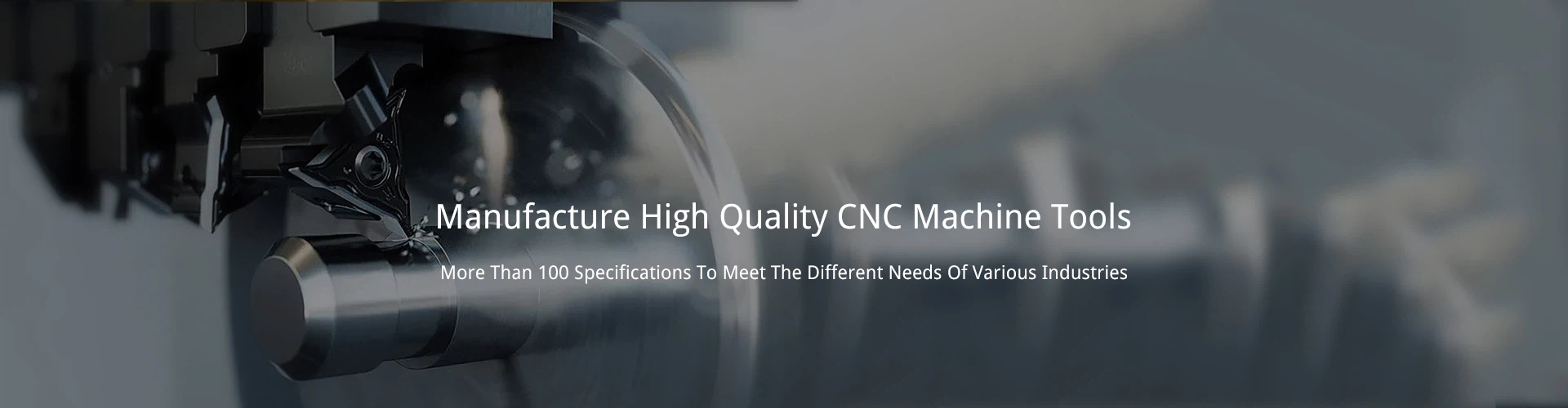
In CNC machining, the choice of the right insert type can make all the difference between a smooth, efficient process and costly tool wear. Inserts are replaceable cutting edges used in various operations such as turning, milling, and drilling. Each insert type is designed with specific geometry, material, and coating to handle different cutting conditions and materials.
Whether you're machining steel, stainless steel, or aluminum, understanding different CNC machining insert types-including turning inserts, milling inserts, and drilling inserts-helps optimize performance, extend tool life, and improve surface finish.
This guide explores the most common indexable inserts, their characteristics, and how to identify and select the right insert for your tools. By the end, you'll know exactly which insert type can boost your productivity and precision in 2025 and beyond.
What Are Inserts in CNC Machining?
In CNC machining, inserts are replaceable cutting tips that perform the actual material removal process. Instead of sharpening or replacing the entire tool, operators simply replace the worn insert, making the process more efficient and cost-effective. These inserts are mounted on toolholders and used for various operations such as turning, milling, drilling, and threading.
Modern CNC machining inserts-often called indexable inserts-come in standard shapes and sizes defined by ISO or ANSI codes. Each insert has specific geometry, edge design, and coating that determine how it cuts different materials like steel, cast iron, or aluminum.
Compared with traditional solid tools, indexable inserts provide better precision, faster setup, and longer tool life. They are the core components of modern CNC cutting tools, helping manufacturers achieve consistent, high-quality machining results with minimal downtime.

Main Types of Inserts and Their Applications
Different insert types are designed to handle specific machining operations such as turning, milling, drilling, threading, and grooving. Each type has its own geometry, cutting-edge design, and chip control capability that directly affect machining performance, surface finish, and tool life. Understanding these categories helps you choose the right insert for your CNC machine and materials.
Turning Inserts
Turning inserts are mainly used in lathes for shaping the outer or inner surface of a rotating workpiece. Common types include CNMG, DNMG, VNMG, and WNMG.
Ideal for roughing and finishing operations.
Suitable for steel, stainless steel, and cast iron.
Available in various nose radii for different surface finishes.
Provide excellent chip control and wear resistance.

Milling Inserts
Milling inserts-such as APKT, SEKT, SDMT, and XNMU-are used in face milling, shoulder milling, and slotting operations.
Designed for multi-edge cutting with high material removal rates.
Different geometries handle soft aluminum to hard alloys.
Offer stable cutting performance and extended tool life.
Can be indexed multiple times for cost savings.

Drilling Inserts
Drilling inserts are used in indexable drill bodies to create accurate holes. Common examples include SPMG, WCMX, and WCMT inserts.
Designed for precise hole diameter and smooth surface finish.
Allow high feed rates and deep hole drilling.
Reduce cutting forces and vibration.
Easy to replace and maintain without regrinding.

Threading and Grooving Inserts
Threading inserts cut both internal and external threads, while grooving inserts are used to create precise slots or reliefs.
Threading types include laydown and top-notch designs.
Provide consistent thread profiles with minimal tool wear.
Grooving inserts ensure clean, accurate cuts in tight spaces.
Ideal for applications requiring high-dimensional accuracy.
By understanding these insert types and their functions, you can select the right combination for your CNC machining operations, ensuring higher productivity and better quality results.
Insert Shape and Geometry Explained
The shape and geometry of an insert are critical factors that determine how it performs during cutting. Each insert is identified by a standardized code that indicates its shape, clearance angle, tolerance, chip breaker design, and size. Understanding these parameters helps you select the right insert for your machining needs.
Common insert shapes include:
C (80° diamond) – a balanced design for general-purpose turning and finishing.
D (55° diamond) – ideal for profiling and finishing complex contours.
V (35° diamond) – best for precision finishing in tight spaces.
W (80° trigon) – offers stronger cutting edges for roughing operations.
S (square) – high edge strength, suitable for heavy-duty milling.
R (round) – perfect for high-feed milling and smooth surface finishes.
The geometry of an insert-such as its rake angle, edge preparation, and chip breaker-affects chip evacuation, cutting force, and heat control. For example:
Positive rake inserts reduce cutting force and improve surface quality.
Negative rake inserts provide stronger edges for heavy cuts and longer tool life.
Chip breakers help control chip flow and prevent tool damage.
Insert Material and Coating Types
The material and coating of an insert play a crucial role in determining its cutting performance, wear resistance, and durability. Different insert types are made from various materials to handle a wide range of machining applications.
Common insert materials include:
Carbide inserts – versatile and widely used for steel, stainless steel, and cast iron; offer high hardness and wear resistance.
CBN (Cubic Boron Nitride) inserts – ideal for hardened steels and superalloys; maintain sharpness at high temperatures.
PCD (Polycrystalline Diamond) inserts – best for non-ferrous materials like aluminum and copper; provide ultra-smooth surface finish.
Ceramic inserts – suitable for high-speed finishing of hardened steel; excel in heat resistance.
Coating technologies further enhance insert performance:
PVD coatings (TiN, TiAlN, AlTiN) – increase hardness and reduce friction.
CVD coatings (Al₂O₃, TiC) – improve wear resistance in high-temperature cutting.
Choosing the right material and coating combination ensures optimal performance for your CNC machining inserts, reduces tool wear, and maximizes efficiency across different turning, milling, and drilling operations.

How to Identify Insert Types Using Codes
Each indexable insert comes with a standardized code that describes its shape, size, tolerance, edge design, and chipbreaker. Learning how to read these codes is essential for selecting the right CNC insert for your machining needs.
For example, a code like CNMG120408 provides valuable information:
C – Insert shape (80° diamond)
N – Clearance angle
M – Tolerance class
G – Chipbreaker type
1204 – Insert size (length, width, nose radius)
08 – Thickness or cutting edge detail
Understanding these codes allows machinists and engineers to quickly identify the proper insert type without trial and error. It also ensures compatibility with toolholders, machining operations, and workpiece materials.
How to Choose the Right Insert Type for Your CNC Tool
Selecting the correct insert type is essential for achieving precision, efficiency, and longer tool life in CNC machining. The choice depends on several key factors, including workpiece material, operation type, cutting speed, and machine capabilities.
For turning inserts, consider the shape and nose radius for the desired surface finish. For milling inserts, geometry and edge design are crucial for handling complex contours and high material removal rates. Drilling inserts must match the hole diameter and depth while maintaining stability. Threading and grooving inserts require accuracy to achieve precise profiles.
Material and coating are also important: carbide inserts are versatile, CBN inserts excel in hardened steel, and PCD inserts are ideal for non-ferrous metals. Proper insert selection reduces vibration, prevents tool breakage, and ensures consistent machining results.
Common Mistakes When Selecting Insert Types
Choosing the wrong insert type can lead to poor surface finish, shortened tool life, and decreased machining efficiency. Many machinists and engineers make common mistakes that can easily be avoided.
Ignoring chip control: Some inserts are designed with specific chipbreakers to evacuate material efficiently. Using an incompatible chipbreaker can cause chip clogging or tool damage.
Mismatched material and grade: Selecting an insert without considering the workpiece material-like using a standard carbide insert on hardened steel-can lead to rapid wear or breakage.
Overlooking cutting conditions: Feed rate, spindle speed, and depth of cut all affect insert performance. Using an insert outside its recommended parameters reduces efficiency and increases the risk of tool failure.
Neglecting toolholder compatibility: Not all inserts fit every toolholder. An insert that doesn't seat properly can vibrate, causing poor finishes and premature wear.
By avoiding these mistakes and choosing the correct CNC machining insert, you can maximize productivity, reduce downtime, and ensure consistent, high-quality results.
Future Trends in Insert Technology
The world of CNC machining inserts is evolving rapidly, driven by the demand for higher efficiency, precision, and sustainability. In 2025 and beyond, several trends are shaping the future of insert types.
Advanced coatings and materials: New nano-coatings and hybrid materials are enhancing wear resistance, heat tolerance, and cutting performance. This allows indexable inserts to last longer and handle tougher materials at higher speeds.
Smart inserts: The integration of sensors and monitoring technology is becoming more common. Smart inserts can track wear, temperature, and cutting forces in real-time, helping machinists optimize tool life and reduce downtime.
Sustainable machining: Manufacturers are focusing on recyclable and eco-friendly inserts to reduce waste and energy consumption. CNC inserts made from durable, reusable materials are gaining popularity.
Optimized geometries: Innovative chipbreaker designs and cutting-edge geometries improve chip control, surface finish, and cutting stability, especially in high-speed and complex operations.
By staying informed about these trends, machinists and engineers can select the most advanced insert types, improve productivity, and maintain a competitive edge in modern CNC machining.
Conclusion
Understanding the different insert types is essential for achieving precision, efficiency, and cost-effectiveness in CNC machining. From turning, milling, and drilling inserts to threading and grooving options, selecting the right indexable insert ensures longer tool life, better surface finishes, and optimized cutting performance.
Choosing the proper CNC machining inserts involves considering insert geometry, material, coating, and compatibility with your machine and workpiece. Avoiding common mistakes-like mismatched materials or ignoring cutting conditions-can save time, reduce tool wear, and improve overall productivity.
At GreatCNC Machine, we provide a full range of high-quality cutting inserts designed to meet the demands of modern machining. Whether you're upgrading your tools or seeking expert recommendations, our team can help you select the perfect insert type for your operations.